Trump Says U.S.-Iran Talks Were Productive After Threats at U.N.
The mediated meeting in New York raised hopes of easing tensions that can affect oil prices, currencies, savings and investor confidence.
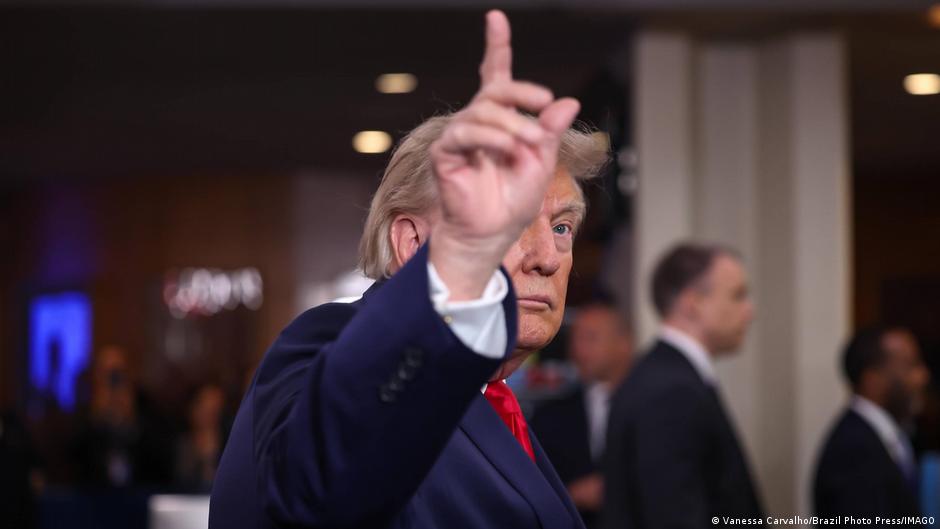
U.S. and Iranian officials held their first meeting in months on the sidelines of the 81st session of the United Nations General Assembly in New York on Tuesday, September 22, in talks that President Donald Trump later described as “very productive.” For households and everyday investors, the development matters because U.S.-Iran tensions can quickly spill into energy markets, currency moves, savings decisions and broader financial confidence.
The talks, conducted through intermediaries, lasted about three hours, according to Trump. They followed a sharply confrontational address earlier the same day in which he threatened Iran with destruction, underscoring how quickly diplomatic signals can swing from escalation to negotiation.
On the American side, Trump’s special envoys Steve Witkoff and Jared Kushner took part in the discussions. Iran was represented by Foreign Minister Abbas Araghchi. The meeting was mediated by Qatar and Pakistan, according to The New York Times.
Witkoff later wrote on X that the U.S. side had held lengthy talks with the Iranian delegation on the sidelines of the General Assembly, with representatives moving between the parties throughout the day. He said one round of discussions had been successfully completed and that the parties hoped it would prove constructive and forward-looking.
“The mediators will continue their work,” Witkoff said.
Speaking separately with leaders from Gulf countries on the sidelines of the General Assembly, Trump said there was “great momentum” toward reaching an agreement with Iran, according to AFP.
Why Consumers and Investors Are Watching
The immediate details of the talks were diplomatic, but the potential consequences are financial. Iran and the United States remain central to the geopolitical risks that households feel indirectly through gasoline costs, heating bills, airfares, shipping expenses and inflation expectations. Any sign of easing tensions can calm markets, while renewed threats or military risks can raise concern about supply disruption and push investors toward defensive positions.
For savers, the issue is less about one meeting and more about the direction of risk. If talks continue and reduce the chance of confrontation, markets may have more room to focus on interest rates, earnings and domestic economic data. If the negotiations stall or the rhetoric escalates again, households could face renewed pressure through energy-sensitive prices and volatility in global assets.
Everyday investors also track such events because geopolitical uncertainty often affects currencies and commodities before it reaches consumer budgets. The U.S. dollar can be influenced by demand for perceived safe assets, while oil-linked currencies and emerging-market assets may move with expectations for energy flows and regional stability. None of those outcomes is guaranteed by a single meeting, but the New York talks give markets another signal to weigh.
Iran’s Reported Conditions
According to Iranian state media, Tehran used the talks to inform Washington of its conditions for resuming shipping through the Strait of Hormuz. Those conditions reportedly included the immediate end of a U.S. maritime blockade, the unfreezing of all Iranian assets frozen because of sanctions, and an end to any military action.
The Strait of Hormuz is a closely watched chokepoint for global shipping, and even discussion of conditions for resuming passage is significant for businesses and consumers exposed to energy and transport costs. The source article did not provide figures on shipping volumes, prices or the value of frozen assets, but the political message was clear: Tehran linked maritime access, sanctions relief and the end of military action in a single negotiating position.
For household budgets, the connection is indirect but practical. Fuel prices influence commuting, delivery costs and travel expenses. Businesses facing higher transportation or energy costs can pass some of that burden to consumers. Investors, meanwhile, tend to respond to uncertainty by reassessing exposure to energy companies, airlines, shipping firms, defense stocks and broader market indexes.
A Sharp Contrast in Tone
The talks took place after Trump delivered a stark warning during his speech to heads of state and government at the United Nations. Before the negotiations, he said he faced an important choice: whether to conclude an agreement with Iran that would allow it to recover and become a much more powerful state, or whether to destroy the Islamic Republic quickly so it would never again have the chance to kill people and destroy countries.
AFP reported that the Iranian delegation left the hall during Trump’s speech.
That contrast between public threats and private talks is likely to keep markets cautious. Investors generally prefer clear policy paths, and the mix of harsh rhetoric, mediated diplomacy and unresolved conditions makes the outlook difficult to price. A productive meeting may reduce immediate anxiety, but the presence of threats on the same day highlights the fragility of the process.
For personal finance decisions, the lesson is not to trade a household budget around every diplomatic headline. Instead, consumers and investors may want to recognize how geopolitical events can affect the costs they actually pay: fuel, utilities, imported goods, travel and the performance of diversified portfolios. The New York meeting did not produce a publicly announced agreement, but it did restart contact after months without talks and kept mediators from Qatar and Pakistan engaged.
For now, the practical takeaway is cautious optimism mixed with real risk. Trump called the three-hour meeting very productive and pointed to momentum for a deal. Iran, according to its state media, presented conditions that include major changes to sanctions, maritime pressure and military posture. Whether those positions can be reconciled will matter not only for diplomats, but also for households trying to manage expenses and investors trying to protect savings in a volatile global environment.