Drone Attacks on Russian Oil Storage Facilities Raise Concerns for Household Budgets and Energy Prices
Recent drone strikes in Russia's Rostov and Saratov regions target oil infrastructure, potentially impacting fuel costs and consumer expenses.
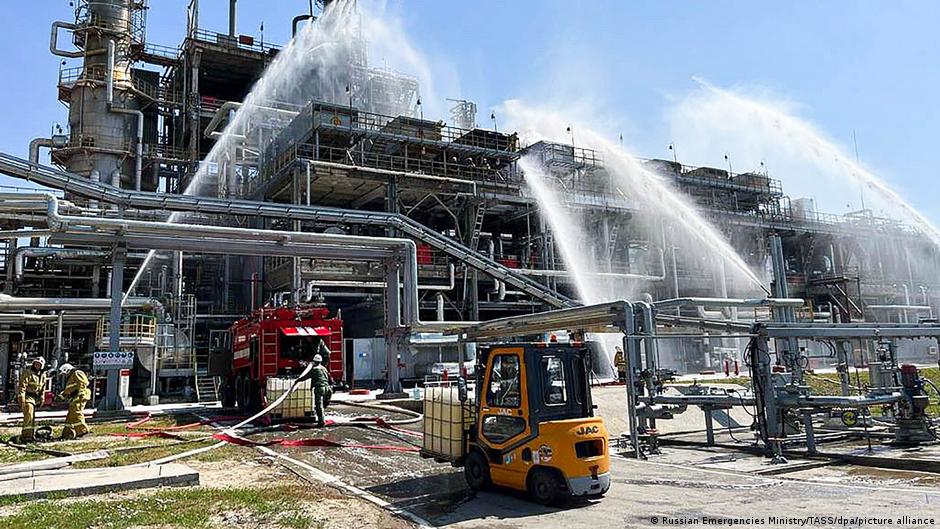
Recent drone attacks on oil storage and refining facilities in Russia's Rostov and Saratov regions have ignited fires and caused damage to civilian infrastructure, raising concerns about potential ripple effects on energy prices and household finances.
Impact on Oil Infrastructure and Local Communities
In the early hours of May 31, a drone strike ignited a fire at a fuel storage facility operated by a private company supplying agricultural producers in Rostov Oblast. The blaze occurred in the Matveyev-Kurgan district, prompting evacuations of nearby residents as a precaution. Emergency services, including a fire train, responded promptly to contain the fire.
Authorities reported no casualties from the incident. However, the attack also damaged local civilian infrastructure, including a pharmacy, two stores, and a vehicle in the same settlement.
"Residents of nearby private homes were evacuated to ensure their safety. No threats to people have been reported," stated the regional governor.
Eyewitnesses described an unusual "oil rain" following the attack on the fuel reservoir, highlighting the environmental and safety hazards posed by such incidents.
Similarly, in Saratov Oblast, regional officials confirmed damage to unspecified civil infrastructure, with preliminary reports indicating the strike targeted the Saratov oil refinery. While no injuries were reported, the refinery has been a recurrent target in previous attacks, raising concerns about the sustained impact on local fuel supply chains.
Potential Consequences for Consumers and Investors
These attacks on critical oil infrastructure could disrupt fuel availability and lead to increased energy prices, directly affecting household budgets across affected regions and potentially beyond. As fuel costs rise, consumers may face higher expenses not only at the pump but also in heating, transportation, and goods reliant on fuel-intensive production and logistics.
For everyday investors, particularly those with exposure to energy markets or related commodities, the strikes signal heightened geopolitical risks that could translate into market volatility. The damage to oil refineries and storage facilities may constrain supply, pushing prices upward and influencing currency valuations tied to energy exports.
Local agricultural producers, dependent on the targeted fuel supplies, may experience operational disruptions, further influencing food prices and economic stability in the regions.
Overall, while immediate human casualties appear to be avoided, the economic ripple effects of such attacks underscore the vulnerability of energy infrastructure and the broader implications for consumer finances and market stability.