Renewed Missile and Drone Attacks on UAE by Iran Heighten Regional Risks and Impact Global Energy Prices
Iran’s recent strikes on the UAE threaten regional stability and could increase energy costs, affecting household budgets worldwide.
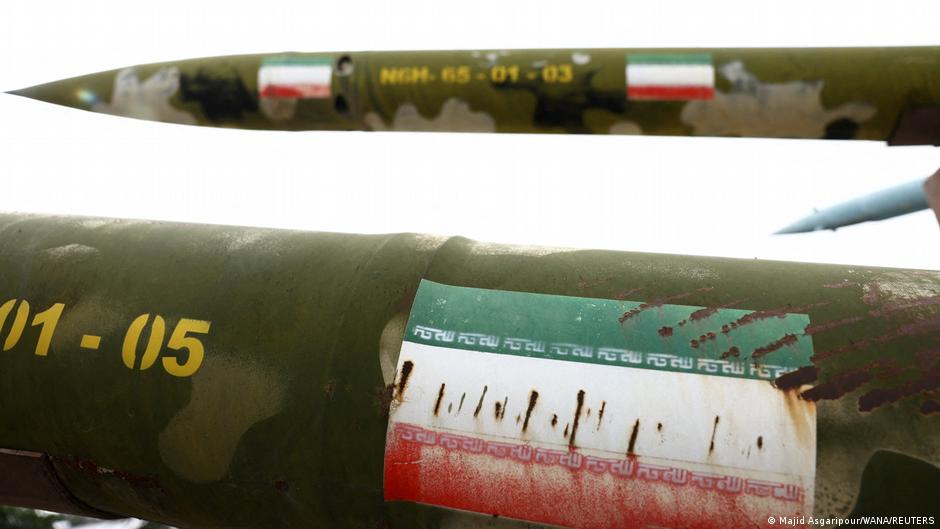
The United Arab Emirates (UAE) has reported renewed missile and drone attacks launched by Iran, marking the first such assaults since a ceasefire agreement between Tehran and the United States took effect last month. This escalation raises concerns about ongoing regional instability and potential repercussions on global energy markets, with direct implications for household finances and everyday investors.
Details of the Attack and Immediate Consequences
On May 4, the UAE Ministry of Defense announced that its air defense forces intercepted 19 projectiles—including 12 ballistic missiles, three cruise missiles, and four drones—fired from Iran towards the UAE. The attacks targeted key infrastructure, notably the oil industrial complex in Fujairah, where a drone strike caused a fire.
Three Indian nationals were injured and hospitalized following the incident. In response to security concerns, schools across the UAE shifted to online learning from May 5 to May 8.
"The UAE condemns these attacks as a dangerous escalation and reserves the full and legal right to respond," stated the UAE Ministry of Foreign Affairs.
While Iranian state media cited a senior military official denying any plans to attack the UAE, the situation remains tense. Neighboring Oman also reported a strike on the border city of Bukha, injuring two foreign workers and damaging a residential property.
Broader Geopolitical Tensions and Economic Implications
These attacks coincide with broader tensions in the Strait of Hormuz, a vital chokepoint for global oil shipments. Former U.S. President Donald Trump claimed Iranian forces struck several targets, including a South Korean vessel, prompting U.S. military action against Iranian boats. The U.S. has initiated "Project Freedom," an operation to escort vessels through the strategic strait to ensure safe passage amid threats of blockage.
Germany’s Chancellor Friedrich Merz condemned the attacks and urged Iran to return to diplomatic negotiations to avoid further destabilization. He emphasized the need to end threats against partners and prevent nuclear proliferation in the region.
Impact on Household Budgets and Investors
Heightened conflict in the Gulf region threatens to disrupt oil supplies, likely leading to increased energy prices worldwide. For consumers, this translates into higher gasoline, heating, and electricity costs, straining household budgets, particularly in countries reliant on oil imports.
Energy market volatility also affects savings and investment portfolios, especially those with exposure to commodities or stocks in the energy sector. Everyday investors may experience increased market uncertainty and should consider diversifying assets to mitigate risk.
Moreover, the potential for prolonged regional conflict could accelerate inflationary pressures, reducing purchasing power for average consumers globally.
As tensions persist, individuals and policymakers alike must monitor developments closely to adapt financial plans and economic strategies accordingly.