Iran’s 14-Point Peace Plan and Its Potential Impact on Global Oil Prices and Household Budgets
Iran has proposed a detailed peace plan to the US that could reshape Middle East tensions and influence global energy markets, affecting consumer finances worldwide.
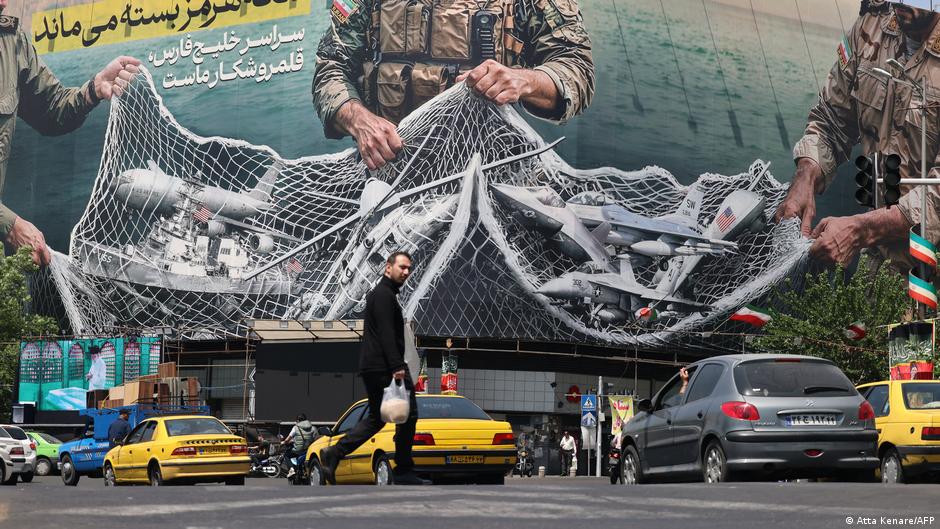
Amid ongoing tensions in the Middle East, Iran has submitted a comprehensive 14-point peace plan to the United States outlining its conditions to end the military conflict. The plan demands guarantees from Washington including non-aggression assurances, withdrawal of American troops from border areas, lifting of sanctions, and compensation for damages. This development comes as both nations struggle to resolve a conflict that began earlier this year and has since disrupted global markets.
Economic Implications for Consumers and Investors
The escalating conflict and its potential resolution carry significant consequences for household budgets, savings, and investment strategies worldwide. The strategic Strait of Hormuz, a critical chokepoint through which a substantial portion of the world's oil supply passes, remains effectively blocked by Iranian forces. Concurrently, the US continues a maritime blockade on Iranian ports, aiming to curtail Iran’s oil exports.
These restrictions have tightened global oil supplies, exerting upward pressure on energy prices. For everyday consumers, higher oil prices translate directly into increased costs for gasoline, heating, and electricity. This inflationary pressure can erode disposable incomes and force households to adjust their budgets.
"The prolonged conflict and related sanctions could keep energy prices volatile, making it difficult for consumers to plan their expenses," said an energy market analyst. Investors in commodities and currencies also face heightened uncertainty, as fluctuations in oil markets impact exchange rates and stock valuations.
"Resolving the conflict quickly is essential to stabilizing energy markets and easing the financial strain on households worldwide," experts have noted.
Additionally, Iran’s demand for the unfreezing of blocked assets and an end to sanctions could restore some Iranian economic activity, influencing global trade flows and currency stability in the region. For investors, this may open new avenues but also carries risks given the geopolitical sensitivity.
US President Donald Trump expressed skepticism about Iran’s peace proposal, emphasizing that Iran has yet to face sufficient consequences for actions over the past 47 years. Despite declaring the official end of US military operations related to this conflict as of May 1, the US continues to prepare for a prolonged naval blockade aimed at economically pressuring Iran.
From a personal finance perspective, the ongoing uncertainty reinforces the value of diversified investment portfolios and cautious budgeting amid potential inflationary trends. Households sensitive to energy price swings may consider energy-efficient technologies or alternative transportation to mitigate rising costs.
In summary, while the 14-point peace plan offered by Iran aims to bring closure to a tense and costly conflict, its terms and the pace of negotiations will likely keep energy prices and financial markets on edge. Consumers and investors globally should remain alert to these developments as they could influence everyday expenses and investment returns.