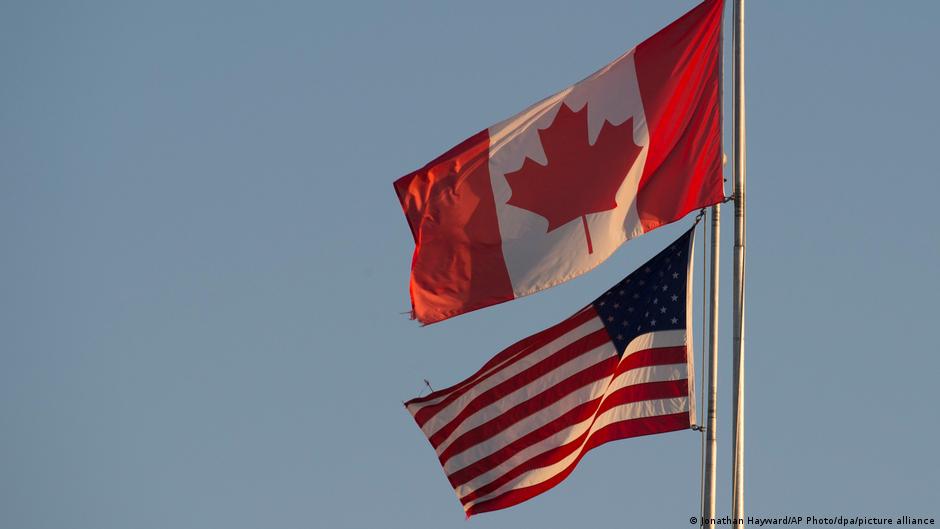
US Plans Significant Reduction of Military Troops in Germany Impacting Global Economics
Trump announces plans to cut US troop presence in Germany, signaling potential shifts in military spending and currency markets.
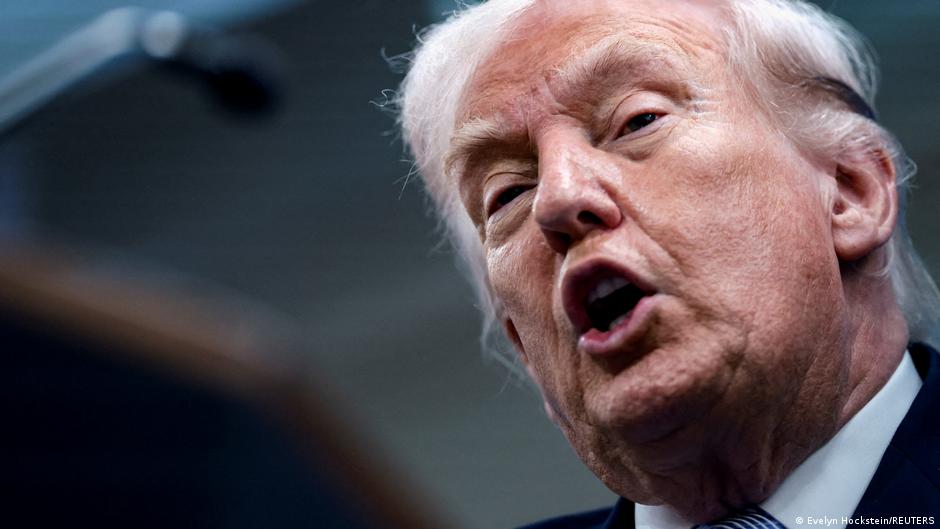
The United States is planning a substantial reduction of its military forces stationed in Germany, a move that could have ripple effects on household budgets, savings, and currency markets worldwide. President Donald Trump declared that the troop cuts would exceed the previously announced withdrawal of about 5,000 soldiers, representing roughly one-seventh of the US military presence in Germany.
Economic and Financial Implications of Troop Reductions
The Department of Defense had earlier ordered the withdrawal of approximately 5,000 service members from Germany over the next year. However, Trump's recent statement suggests that the final number of personnel removed will be significantly higher. This downsizing not only affects military logistics but also has broader economic consequences.
Military bases contribute to local economies through employment opportunities, contracts with local suppliers, and broader spending by military personnel and their families. A large-scale troop reduction could result in decreased demand for local goods and services, potentially impacting small businesses and housing markets near bases.
"We will be reducing troop numbers significantly more, by much more than 5,000 American soldiers," President Trump stated during a press briefing in Florida.
On the currency front, changes in US military commitments abroad can influence investor confidence and currency values. Reduced US military presence in Europe may be perceived as a shift in geopolitical strategy, affecting the US dollar and the euro, as well as global currency markets. Additionally, investors who hold assets influenced by government spending on defense or international relations may need to consider these developments in their portfolio management.
Furthermore, Trump's criticism of NATO allies, including Spain and Italy, highlights tensions within international alliances. Such dynamics might cause increased uncertainty in financial markets, affecting exchange rates and investment decisions. The North Atlantic Treaty Organization (NATO) continues to work with the US to understand the details of the troop withdrawals and maintain a strong defense posture in Europe.
As of December 2025, about 68,000 US military personnel were stationed across Europe, with approximately 36,400 based in Germany. This sizable presence has historically supported regional security and maintained the stability of international trade routes and economic relations. The reduction of troops represents not just a military adjustment but also a recalibration of economic ties.
For everyday investors and consumers, these military changes may translate into broader market volatility. Reduced defense spending overseas could influence government budgets and bond markets, potentially affecting interest rates and inflation. Households may see indirect impacts through fluctuations in currency exchange rates, especially those with international investments or who travel frequently.
In summary, while the troop reductions primarily relate to defense strategy, their consequences extend into personal finance and consumer economics. Monitoring these developments is essential for managing household budgets, protecting savings, and making informed investment decisions.