Turkey Resumes Shipping Through Straits Amid Black Sea Security Concerns Affecting Trade Routes
Resumption of vessel transit through Turkey's straits impacts Black Sea trade corridor, influencing household budgets and commodity prices worldwide.
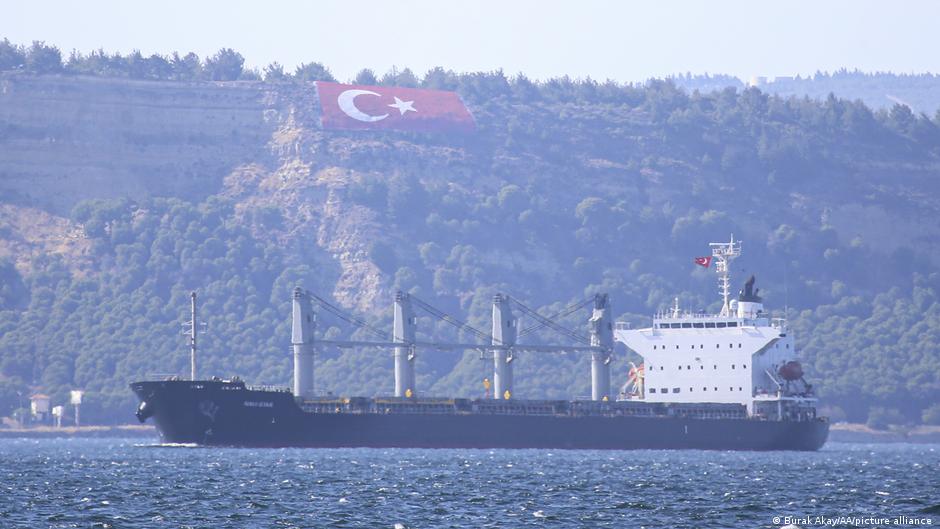
On August 9, Turkey resumed allowing ships to pass through the strategic Bosporus and Dardanelles straits leading to the Black Sea, a critical maritime corridor for global trade. This move follows a temporary restriction amid rising attacks on commercial vessels in the region, which had disrupted maritime traffic and exacerbated supply chain uncertainties.
Impact on Shipping and Regional Trade
According to monitored data, the oil tanker Aegean Dream and the container ship Mehmet Kahveci A both transited the Dardanelles on August 9, with their destination listed as the Russian port of Novorossiysk. These vessels had been delayed in the area since August 6 due to Turkey's prior restrictions on maritime passage.
The temporary halt came as Turkey tightened controls in response to increased attacks by Russian and Ukrainian forces targeting commercial shipping in the Black Sea. Such attacks have heightened risks for maritime operators, leading to operational delays and increased insurance costs.
The restrictions also extended to vessels bound for Ukrainian ports, further complicating export routes. Turkey's government has not publicly detailed the rationale behind the restrictions, but officials have indicated increased concern over securing safe passage for commercial ships.
"We call on all parties, especially the conflicting sides, to take immediate measures to ensure maritime safety in the Black Sea," said Turkey's Foreign Minister Hakan Fidan.
Consequences for Household Budgets and Commodity Prices
The Black Sea corridor is a crucial export route for commodities such as grain, oil, and other raw materials. The recent disruptions have contributed to volatility in global commodity markets, impacting prices that ripple down to household expenses worldwide.
For consumers, delays and risks in shipping translate into increased costs for goods, from fuel to food staples. Countries dependent on Ukrainian grain exports have faced shortages and price hikes, affecting food security and inflation.
Furthermore, the added uncertainty puts pressure on currency valuations in the region, influencing savings and investment returns for everyday investors. Increased shipping insurance premiums and rerouting costs can lead to higher prices for imported goods, straining household budgets.
Efforts Toward Stabilization
Turkey has engaged both Russia and Ukraine to establish a "moratorium" on attacks in the Black Sea, aiming to restore safer navigation conditions. Ukrainian officials have reportedly agreed to facilitate the safe passage of certain oil tankers not linked to Russia, indicating progress toward de-escalation.
Nevertheless, the ongoing conflict and recent maritime attacks highlight the fragility of trade routes vital to global markets. The situation underscores the interconnectedness of geopolitical tensions and everyday economic realities for consumers and investors alike.
As Turkey implements measures to secure maritime traffic, market participants and households should prepare for continued fluctuations in costs related to energy, food, and other imported goods. Monitoring these developments is essential for managing personal finances amid global uncertainty.