North Korea’s Missile Tests Elevate Geopolitical Risks Impacting Global Markets and Household Budgets
Recent North Korean missile launches raise uncertainties that could affect currency stability, commodity prices, and everyday investors worldwide.
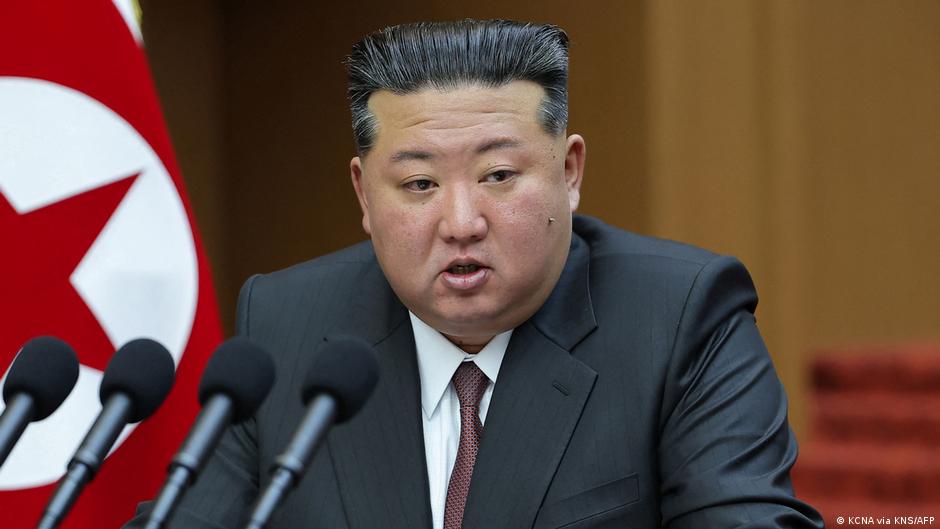
North Korea’s recent testing of various missile types, including tactical ballistic, artillery, and high-precision cruise missiles, has generated renewed geopolitical tensions with potential repercussions for global financial markets and consumer wallets. Conducted under the direct supervision of Supreme Leader Kim Jong Un, these tests underline Pyongyang’s commitment to advancing its military capabilities amid ongoing international uncertainty.
Geopolitical Risks and Financial Market Volatility
On May 26, North Korea launched multiple missile tests near the Yellow Sea from the region of Chonju city, located in the North Pyongan province. South Korean military intelligence confirmed the activity, noting the deployment of short-range ballistic and artillery rockets. This demonstration forms part of North Korea’s five-year plan to modernize its artillery and missile forces, signaling an escalation in military readiness.
Kim Jong Un expressed 'great satisfaction' with the test results, calling them a 'clear signal' of growing military power.
Incidents like these often trigger short-term volatility in currency and commodity markets as investors react to increased geopolitical risk. Asian currencies, including the South Korean won and Japanese yen, can experience fluctuations, impacting import prices and inflation rates. This, in turn, affects household budgets, particularly in economies reliant on imports for everyday goods.
Additionally, higher geopolitical uncertainty generally drives up the price of safe-haven assets such as gold and the US dollar. For everyday investors, this environment can complicate portfolio decisions, prompting shifts toward more conservative investments or hedging strategies to manage risk exposure.
Impact on Consumer Inflation and Savings
Heightened military tensions in East Asia may also disrupt regional supply chains, especially in electronics and energy sectors, leading to elevated prices for consumers. Essential commodities like fuel could see price spikes, putting pressure on household spending. For middle-class families and small investors, these developments can diminish disposable income and erode savings.
Moreover, insurance and pension funds with international exposure may need to adjust asset allocations to mitigate risks associated with such geopolitical developments. Volatility can also affect exchange rates, influencing the cost of overseas travel, education, and imported products—a concern for globalized consumers.
Looking Ahead: Navigating Uncertainty
While North Korea’s missile tests act primarily as a strategic message to regional adversaries, the ripple effects extend into global financial markets and everyday economic realities. Consumers and investors should remain vigilant about the evolving geopolitical landscape and consider diversified financial planning to withstand potential market shocks.
In summary, the missile launches underscore the interconnectedness of geopolitical events and local economies. Household budgets, savings, and investment portfolios are increasingly sensitive to international security developments, reinforcing the importance of informed financial decision-making in times of uncertainty.