US-Iran Naval Clash Raises Concerns Over Oil Supply and Household Inflation
Tensions escalate after US military seizes Iranian cargo ship, threatening regional stability and global energy prices.
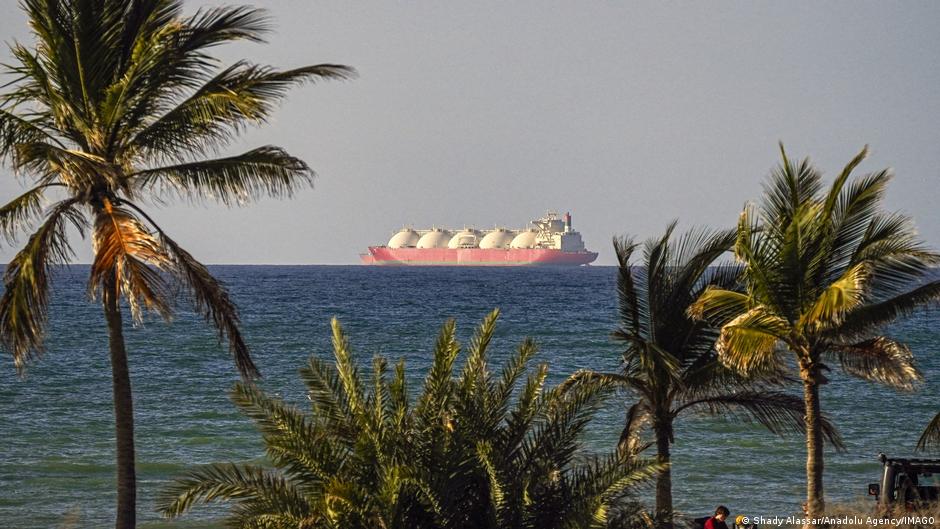
The recent seizure of an Iranian cargo ship by US forces in the strategic Strait of Hormuz has heightened geopolitical tensions and raised alarms over potential impacts on global oil supply, consumer prices, and household budgets worldwide.
Background of the Incident and Its Economic Significance
On April 20, the Central Military Headquarters in Tehran condemned the US military's capture of an Iranian-flagged cargo vessel in the Gulf of Oman, labeling the action as an "act of piracy" and a violation of a supposed ceasefire. The United States Navy had intercepted the ship, accusing it of attempting to circumvent a maritime blockade imposed on Iranian ports by Washington.
President Donald Trump publicly confirmed the seizure, stating that the US Navy targeted the vessel to enforce the blockade. The US Central Command in the Middle East also verified the incident.
The Strait of Hormuz is a critical chokepoint through which approximately 20% of the world's seaborne oil passes. Any disruption in this narrow waterway could have significant repercussions on global energy markets.
Implications for Energy Prices and Household Budgets
"Aggressive American actions have violated a ceasefire and amounted to maritime piracy," said Iranian military officials in response to the incident.
With energy supplies potentially at risk, consumers may soon feel the effects through rising gasoline and heating oil prices. For households already grappling with inflationary pressures, any surge in fuel costs can exacerbate the strain on monthly budgets, affecting everything from transportation to food prices.
Inflation in energy costs often cascades into broader economic challenges, reducing disposable income and potentially curbing consumer spending. This dynamic is especially critical for everyday investors and savers who rely on stable economic conditions.
Consequences for Currency Stability and Investment Sentiment
Geopolitical instability in the Middle East commonly triggers volatility in currency markets, particularly for oil-dependent economies. A spike in oil prices can strengthen currencies of major exporters but weaken those of importers, complicating exchange rates and international trade.
For individual investors, heightened market uncertainty can translate into increased risks in equity and bond markets. Those with exposure to sectors sensitive to energy prices may need to reassess portfolio allocations to mitigate potential losses.
Outlook for Diplomatic Resolution and Market Stability
Amid the new tensions, prospects for resumed negotiations between the US and Iran remain uncertain. Iranian officials have stated they will not engage in talks while the US blockade persists, signaling a prolonged stalemate that could maintain pressure on energy markets.
Consumers and investors alike should monitor developments closely, as prolonged conflict or expanded blockades could further destabilize prices and economic conditions globally.
In summary, the naval clash between the United States and Iran underscores how geopolitical conflicts directly impact personal finances—from energy bills to investment portfolios—highlighting the interconnectedness of international events and everyday economic realities.