Bulgaria's Left-Center Coalition Leads Elections, Potential Impact on Economy and Households
Ex-president Rumen Radev’s coalition gains strong support amid anti-corruption protests, signaling possible shifts in Bulgaria’s economic policies affecting consumers.
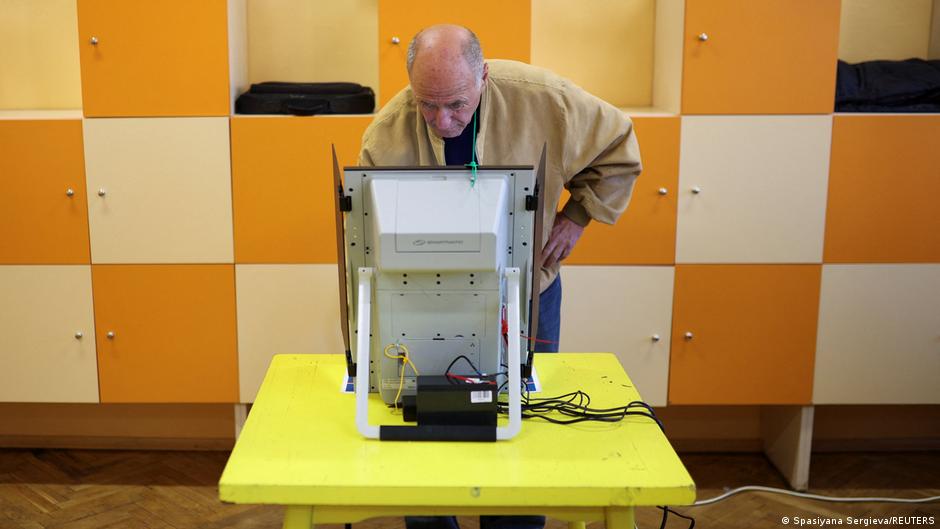
The left-center coalition "Progressive Bulgaria," led by former President Rumen Radev, is leading Bulgaria’s parliamentary elections with preliminary results showing over 40% support. This outcome follows months of political unrest and could have significant implications for the country’s economy, household budgets, and everyday investors.
Election Results and Political Context
According to official data processed from approximately one-third of the ballots, Progressive Bulgaria has secured 44.59% of the vote. Meanwhile, the center-right alliance "Citizens for European Development of Bulgaria" (GERB), led by ex-Prime Minister Boyko Borisov, and the liberal alliance "Continuing Changes - Democratic Bulgaria" (PP-DB) are polling around 12-13% each.
Voter turnout was recorded at 43.4%, with five parties expected to surpass the 4% parliamentary threshold. This marks Bulgaria’s eighth parliamentary election in five years, reflecting ongoing political instability.
These snap elections were called following the resignation of the conservative-led government amidst widespread protests starting December 2025. Demonstrators demanded judicial independence and an end to corruption, issues that Progressive Bulgaria has made central to its campaign.
"The coalition’s anti-corruption stance resonates with a broad base, including both pro-Russian supporters and voters deeply concerned about corruption," political analysts observe.
Implications for Household Budgets and Investors
For Bulgarian households, a government focused on anti-corruption could lead to improved public spending efficiency, potentially easing the burden on taxpayers and increasing social welfare support. However, political uncertainty may also cause short-term volatility in markets and the Bulgarian lev.
Rumen Radev's coalition includes a significant portion of voters who lean pro-Russian, alongside those prioritizing anti-corruption. This mix may influence Bulgaria’s foreign policy, especially regarding military aid to Ukraine, which Radev has advocated reducing. Such shifts could affect Bulgaria’s relationship with the European Union and international investors.
For everyday investors, particularly in Bulgaria’s emerging markets, the election outcome suggests a period of cautious observation. Changes in government policy on public procurement and anti-corruption enforcement may improve the investment climate in the long run but could introduce regulatory changes affecting sectors tied to government contracts.
Furthermore, currency markets may react to the political developments as investors assess Bulgaria’s stability and its integration with the EU. Households with savings or debts denominated in foreign currencies should stay informed about potential exchange rate fluctuations.
Looking Ahead
As Bulgaria navigates this political transition, the new government’s approach to tackling corruption and its stance on international alignments will be critical. For Bulgarian citizens, these elections are not only a political milestone but also a determinant of future economic conditions that directly impact their financial well-being.