Germany Approves Arms Exports to Israel Amid Middle East Conflict, Impacting Global Markets
Despite rules restricting arms exports to conflict zones, Germany has authorized millions in weapons sales to Israel, affecting currency and investor sentiment.
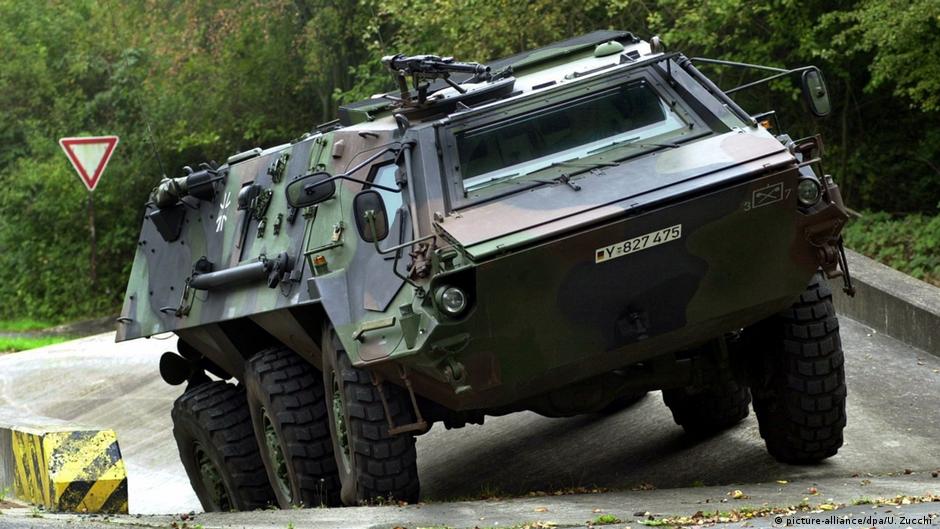
Germany has continued approving arms exports to Israel during the ongoing conflict with Iran, raising concerns about economic and financial repercussions for households and investors worldwide. Since the outbreak of hostilities on February 28, 2025, Berlin authorized arms shipments valued at approximately 6.6 million euros through March 27, despite long-standing export guidelines that generally prohibit weapons sales to active war zones.
Economic and Financial Implications of Arms Exports in Conflict Zones
Germany's arms export policy, established in 2000, forbids weapons transfers to zones of war or crisis, with exceptions including support for Ukraine's defense against Russia and aid to Israel, which is treated as a special case. Following Hamas's terrorist attack on Israel on October 7, 2023, the German government initially increased weapons supplies to Israel, issuing export licenses worth nearly half a billion euros as a gesture of solidarity under Chancellor Olaf Scholz.
"Military-industrial interests never serve peace—they fuel wars that cost countless lives and undermine economic well-being," said Ulrich Thoden, Left Party deputy.
However, amid growing criticism of Israel's military actions in Gaza, Chancellor Friedrich Merz imposed a temporary embargo on August 8, 2025, halting arms exports that could be used in the Gaza conflict. Merz emphasized that solidarity with Israel does not equate to unconditional support for every government decision, particularly not military aid. This embargo, which lasted over three months, caused political friction both within Germany's Christian Democratic Union and with Israeli officials.
Despite the partial embargo, the German Ministry of Economics reported that arms export licenses amounting to 10.44 million were still granted, indicating ongoing military trade during the restricted period. After a ceasefire agreement between Israel and Hamas, Germany lifted the embargo, resuming arms exports.
Impact on Household Budgets, Currencies, and Investors
These arms export policies carry broader implications beyond geopolitical alignments. The authorization of weapons sales during armed conflicts tends to increase volatility in global financial markets, influencing currency valuations and commodity prices. For consumers, fluctuations in the euro exchange rate can affect the cost of imported goods, travel expenses, and the value of savings held in foreign currencies.
Moreover, the defense sector is a significant component of many investment portfolios. Continued arms exports to conflict regions may boost short-term profits for defense companies but can heighten ethical concerns among socially conscious investors. Uncertainty around military conflicts also increases market risk, potentially impacting pension funds and individual retirement accounts.
Opposition politicians like Ulrich Thoden argue that prioritizing military profits exacerbates conflicts and undermines long-term economic stability. "The interests of the military-industrial complex never serve peace—they ignite wars that claim countless human lives and can deprive entire populations of economic prosperity," Thoden stated, urging for an immediate and complete halt to arms exports to Israel.
For everyday consumers and investors, these developments underscore the interconnectedness of geopolitical events and personal finances. Monitoring government policies on arms exports and their broader economic effects is crucial for making informed financial decisions amid global uncertainty.