Russia Casts Doubt on UN Chief's Proposal to Monitor Strait of Hormuz
Moscow says the initiative requires consent from all parties, including Iran, and its prospects remain unclear.
Russia's Deputy Foreign Minister Alexander Alimov said the UN Secretary-General António Guterres' proposal to establish a monitoring mechanism for ship passage through the Strait of Hormuz lacks the necessary support from all parties involved, casting doubt on its viability.
Key stumbling blocks
"This initiative involves the creation of certain structures by the UN Secretariat. Whether this initiative will receive support from the Gulf states and Iran is difficult to say at this point. On the contrary, I have heard signals suggesting otherwise. Therefore, the prospect of this endeavor remains undefined," Alimov told Russian newspaper Izvestia.
He emphasized that any such proposal would require the explicit consent of all nations involved in the dispute — a tall order given the current geopolitical climate surrounding Iran and its relationship with Western powers.
Russia and China prepare joint resolution
Alimov also revealed that Russia and China are jointly preparing a draft resolution on the Iran issue, which has already been submitted to the UN Security Council. The document is currently in the consultation phase, with both Moscow and Beijing open to amendments.
The fate of the draft depends on the dynamics of negotiations between Iran and the United States.
On April 7, the UN Security Council failed to adopt a Bahrain-drafted resolution on navigation in the Strait of Hormuz after Russia and China exercised their veto power. Russian Foreign Minister Sergey Lavrov explained that the vetoed text contained only criticism of Iran and did not reflect the full picture of the situation.
Strategic significance
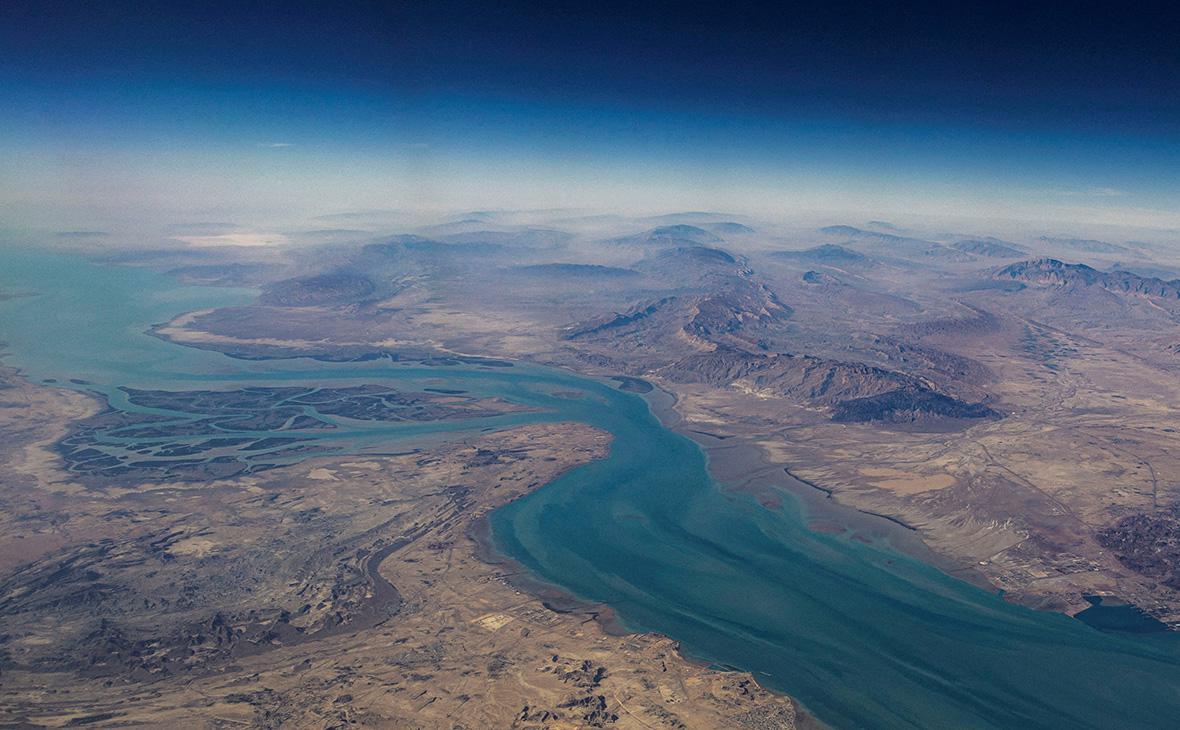
The Strait of Hormuz remains one of the world's most critical shipping lanes, with approximately 20% of global oil supply passing through the narrow waterway daily. Any disruption to traffic in the strait could have significant implications for global energy markets and commodity prices.
Analysts say the diplomatic impasse at the Security Council signals a prolonged period of uncertainty for energy traders and shipping companies operating in the region.