US Senate Rejects Resolution to End War with Iran, Impacting Economic and Financial Stability
Senate denies limiting presidential war powers against Iran, raising concerns over household budgets, currency markets, and investor confidence.
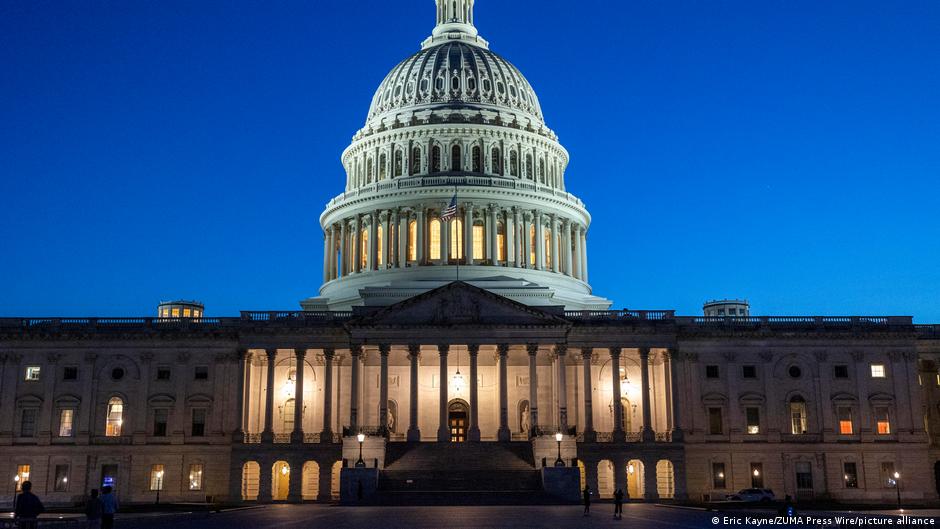
On April 15, the United States Senate voted against a Democratic-backed resolution aimed at halting military actions against Iran and requiring congressional approval before further use of force. The vote, which ended 52 opposed to 47 in favor, marks the fourth time this year the Senate declined to restrict the president’s authority to conduct war without explicit legislative consent. This decision carries significant implications for American households, currency markets, and everyday investors closely watching geopolitical risks.
Senate Vote and Political Context
The resolution, introduced by Democratic senators, sought to compel the Trump administration to cease combat operations and withdraw U.S. troops from conflict zones related to Iran until Congress officially authorized further military engagement. However, with the Republican Party holding the majority in the Senate, the measure failed to pass.
Democratic lawmakers argue the ongoing military campaign against Iran lacks sufficient legal basis and is therefore unauthorized. They have pledged to continue introducing similar resolutions in attempts to curtail executive war powers and bring the conflict to an end.
“The Senate’s refusal to assert its constitutional authority over war powers leaves American families vulnerable to the financial consequences of prolonged conflict,” said one Democratic senator.
Economic and Personal Finance Implications
While congressional debates focus on constitutional authority and foreign policy, the practical fallout extends to household budgets and the broader economy. Military conflicts often heighten uncertainty in global oil markets, leading to price volatility that directly affects fuel and energy costs for consumers domestically. Rising gasoline prices strain family budgets, reducing discretionary spending and saving capacity.
Additionally, sustained geopolitical tensions can weaken the U.S. dollar against other currencies, impacting the purchasing power of American consumers traveling abroad or buying imported goods. Currency fluctuations also affect investment portfolios, particularly for retail investors with exposure to foreign markets or commodities sensitive to Middle East stability.
Financial advisors caution that ongoing conflict increases market volatility, potentially unsettling retirement savings, mutual funds, and individual stock holdings. The Senate’s decision to maintain broad presidential war powers may prolong uncertainty, complicating financial planning for millions of Americans.
Looking Ahead: Congressional Oversight and Market Reactions
The War Powers Act of 1973 mandates that the president must secure congressional approval within 60 days of military action onset, with a possible 30-day extension. This deadline approaches at the end of April, underscoring the urgency for a clearer resolution to Iran-related hostilities.
Lawmakers expect the Trump administration to soon provide a detailed strategy for conflict de-escalation. Meanwhile, debates over the balance of war authority between Congress and the executive branch continue to dominate U.S. political discourse.
From a personal finance perspective, consumers and investors alike should stay informed on these developments. Heightened conflict risks tend to ripple through markets and affect everyday expenses, savings, and investment returns. Prudent financial management during such periods includes diversifying portfolios, monitoring energy costs, and maintaining flexible budgets.