Drone Attacks in Odessa Raise Concerns Over Civilian Safety and Economic Stability
Recent strikes on residential areas in Odessa highlight risks to household security and local economic conditions amid ongoing conflict.
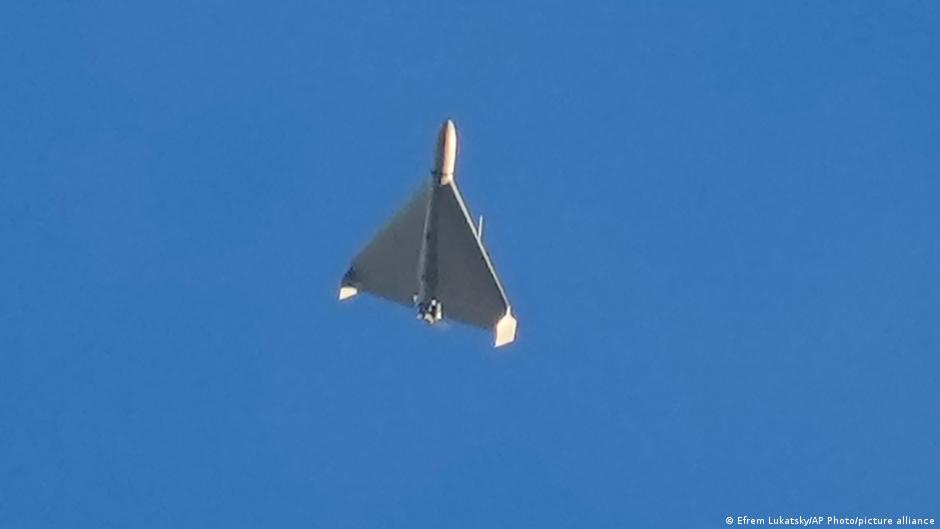
On the night of April 24, the city of Odessa experienced drone strikes targeting residential neighborhoods, resulting in injuries and property damage. Local authorities reported that at least three civilians were hurt, with multiple homes and vehicles damaged during the attack.
Impact on Households and Community Safety
The drone attacks struck two two-story and one three-story residential buildings, causing significant disruption to the daily lives of residents. Medical teams treated two individuals at the scene, while one elderly woman was hospitalized due to shrapnel wounds. Additionally, a non-residential building was also damaged, contributing to the broader scope of the assault.
“Two people sustained shrapnel injuries; a 72-year-old woman was hospitalized, and a 52-year-old man received medical aid on site,” local officials confirmed.
Beyond the immediate physical harm and trauma, these attacks raise concerns about the long-term financial and economic stability of Odessa’s residents. Damage to homes and vehicles imposes unplanned expenses on families, straining household budgets and savings, especially in a conflict zone where economic uncertainty is already elevated.
Broader Financial Implications Amid Conflict
As residential areas come under attack, the local real estate market may experience increased depreciation due to safety concerns. Property owners face costs not only from repairs but also from potential declines in market value, affecting household net worth and future financial planning.
Moreover, the destruction of civilian property and infrastructure can disrupt local businesses and supply chains, potentially leading to inflationary pressures. Consumers might see price increases in goods and services as companies pass on higher operational costs, further tightening family budgets.
For everyday investors in the region, the ongoing instability complicates decision-making. Currency fluctuations and heightened market volatility add layers of risk, undermining confidence in local assets and prompting many to consider safer investment options outside the conflict zone.
In summary, the recent drone strikes in Odessa not only cause immediate human and material harm but also amplify financial challenges for households and the wider community. Managing these risks requires careful budgeting, emergency preparedness, and strategic financial planning to safeguard family welfare in uncertain times.