Serbia Election Uncertainty Raises Stakes for Household Finances
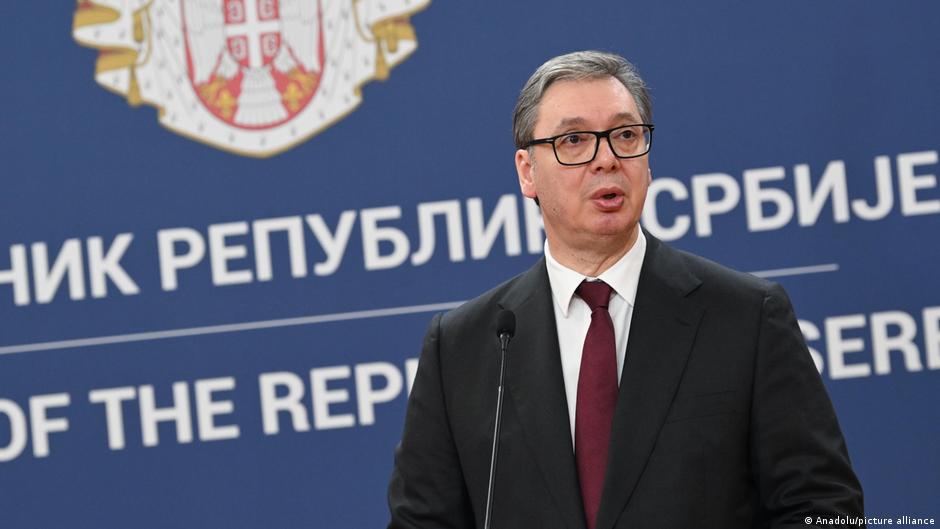
A mass rally and tight polling put Serbia’s political stability—and its implications for household confidence, savings and investments—in focus before the October 25 election.

A mass rally and tight polling put Serbia’s political stability—and its implications for household confidence, savings and investments—in focus before the October 25 election.

Finland is urging an EU-wide tourist visa ban for Russians, a move that could affect travel budgets, currencies and consumer spending flows.

Germany’s long-term Bürgergeld rolls are fueling debate over taxes, work incentives and the pressure welfare spending places on household budgets.

Palestinian elections were delayed to September 2027, extending political uncertainty with consequences for households, savings and investors.

A congressional push to ban Russian oil purchases could affect diesel supply expectations, fuel costs, inflation and energy-linked investments.

Ukraine will discuss a new war-ending plan with Trump envoys as households and investors watch the budget, currency and market risks.

EU lawmakers approved a €115 million defence innovation fund, raising questions for taxpayers, savers and investors watching public spending priorities.

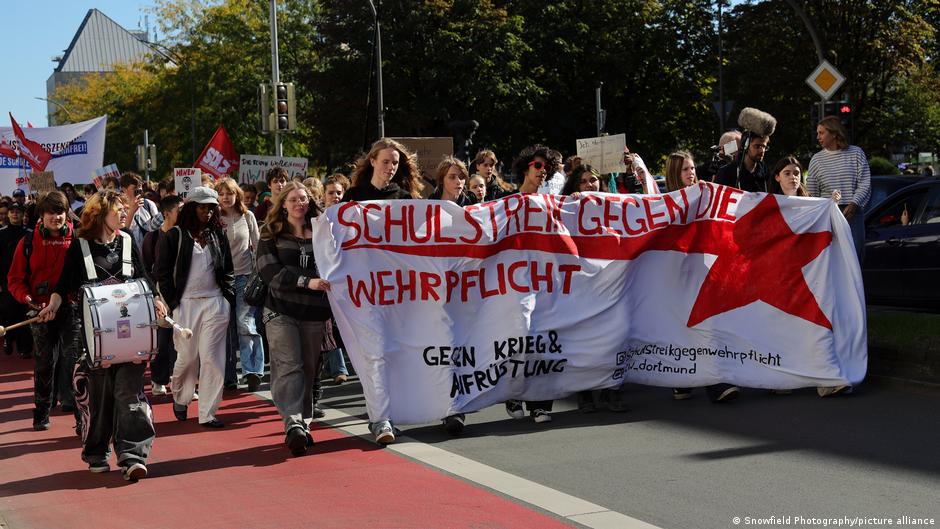
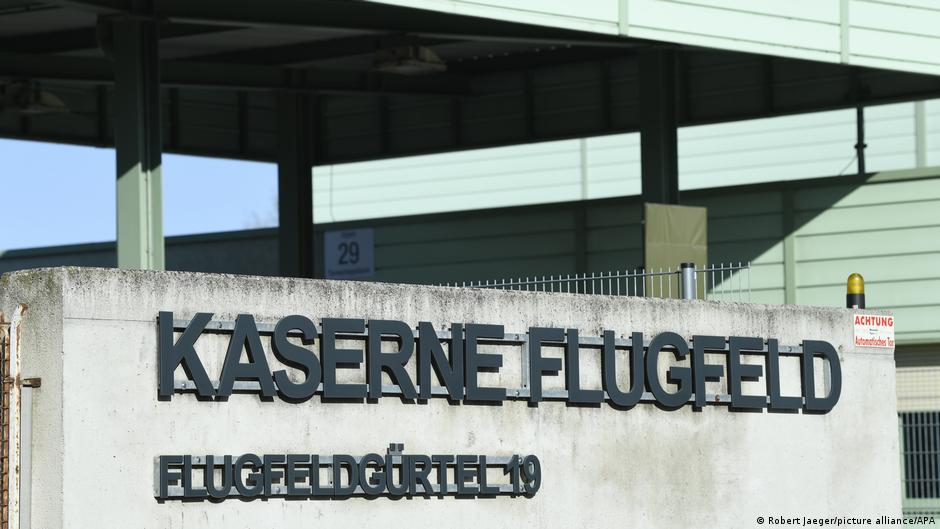
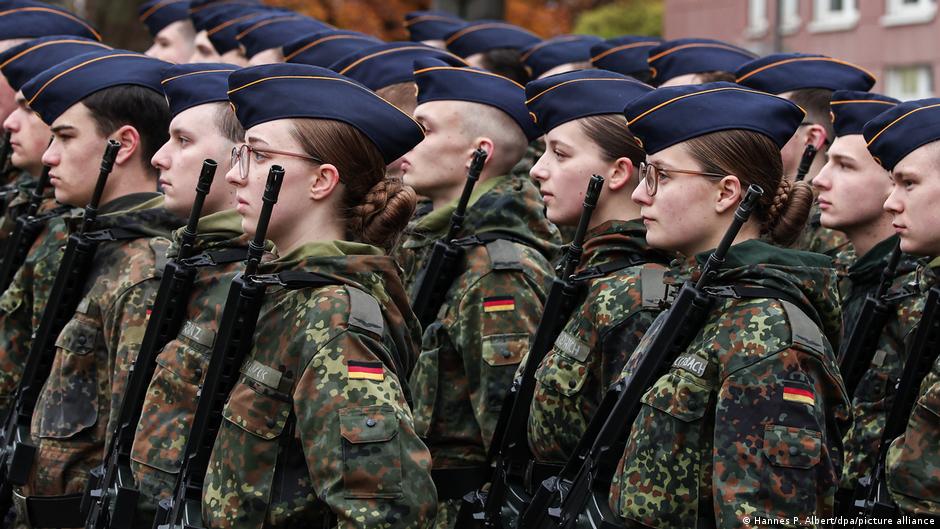
Military service objections in Germany have more than tripled from last year’s total, adding uncertainty for families and young workers.

Preliminary election results in Bosnia point to political continuity, with Dodik allies holding key posts and economic uncertainty still in focus.

A BSW lawmaker’s planned Belarus and Russia trips revive debate over local ties, defense spending and the household cost of geopolitical uncertainty.

Lithuania’s proposed property curbs add legal and financial uncertainty for Russian and Belarusian residents planning home purchases.

Ukraine sanctioned 44 people tied to Russian Duma voting in occupied territories, adding another layer of financial and currency risk.

Germany’s Eurofighter deployment to Latvia highlights how Baltic security risks can affect budgets, savings and investor confidence.

Berlin’s Left Party win puts rent policy, household costs and property-market risk at the center of coalition talks.

Yabloko’s 6.2 percent Novgorod result may preserve ballot access, shaping future voter choice and the political backdrop for household finances.

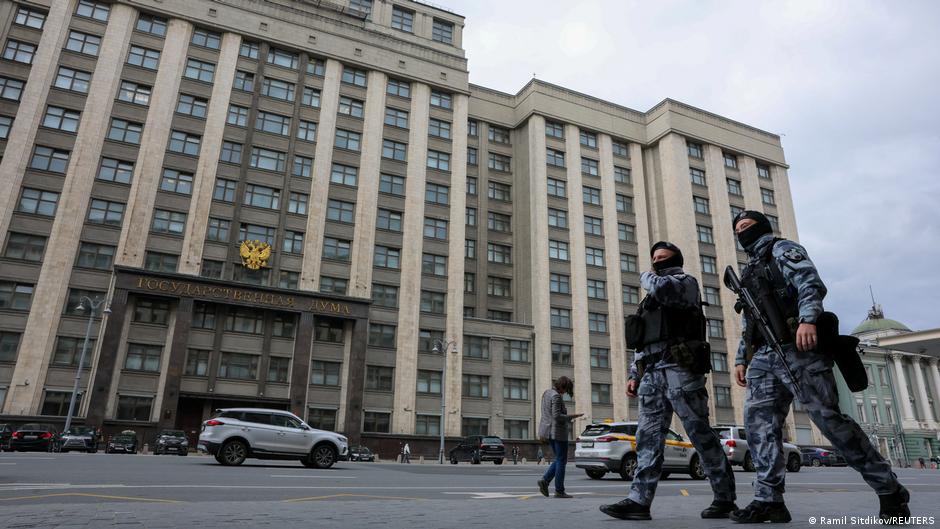
United Russia’s projected Duma dominance signals policy continuity for Russian households, savers and everyday investors.

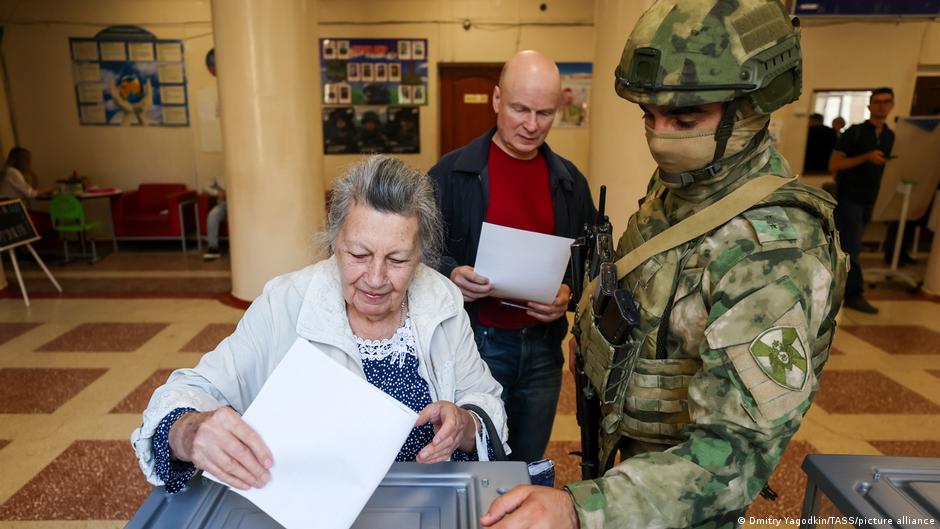
Russia’s three-day Duma vote opens amid war, occupied-territory voting and transparency concerns with implications for household finances.

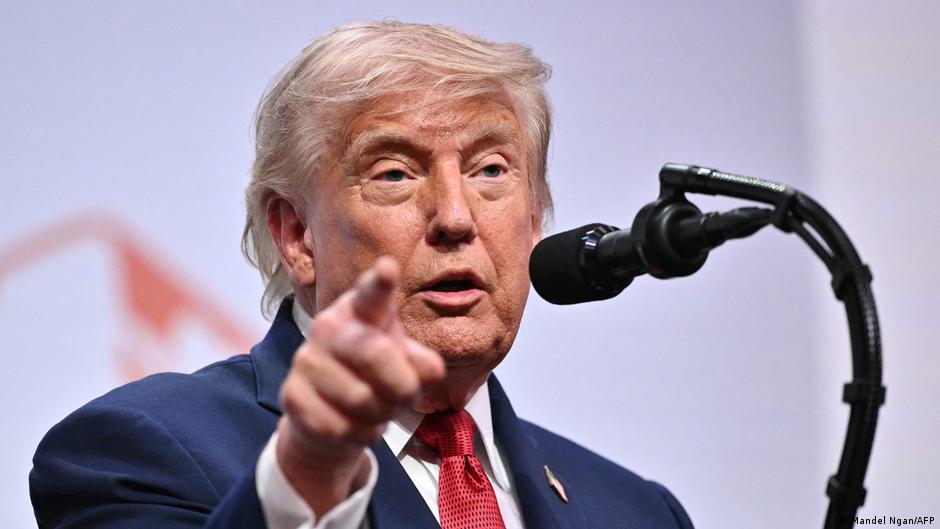
Trump’s EU trade threat over Canada ties raises new risks for household budgets, import prices, currencies and everyday investors.

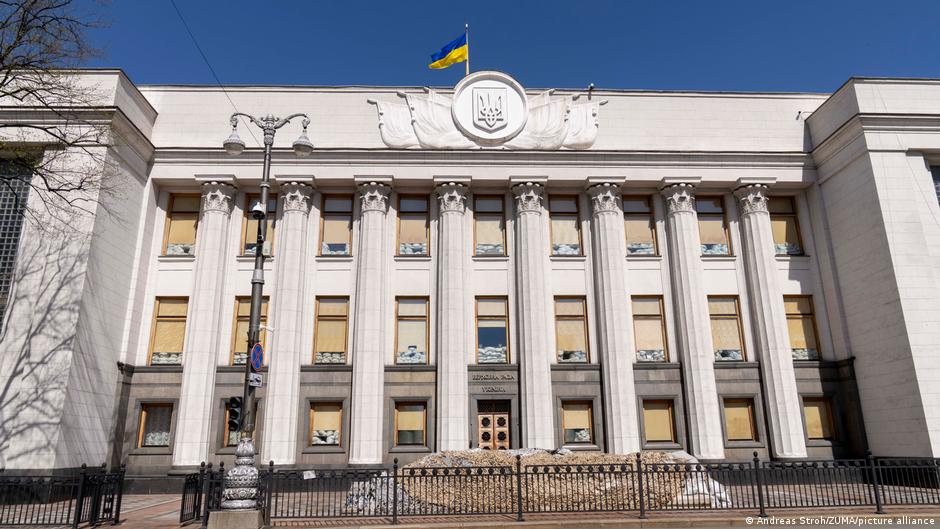
Ukraine’s parliament will review unpopular budget bills tied to billions in Western aid, with consequences for defense pay, families and savings.

AfD’s Saxony-Anhalt win drew sharp reactions from Poland and France, adding political uncertainty for European savers, households and investors.

AfD’s Saxony-Anhalt win raises uncertainty over coalition talks, energy policy, sanctions and the economic outlook for households and investors.

Ukraine’s anti-corruption agencies searched the prosecutor general’s office in a probe into alleged protection of scam call centers.

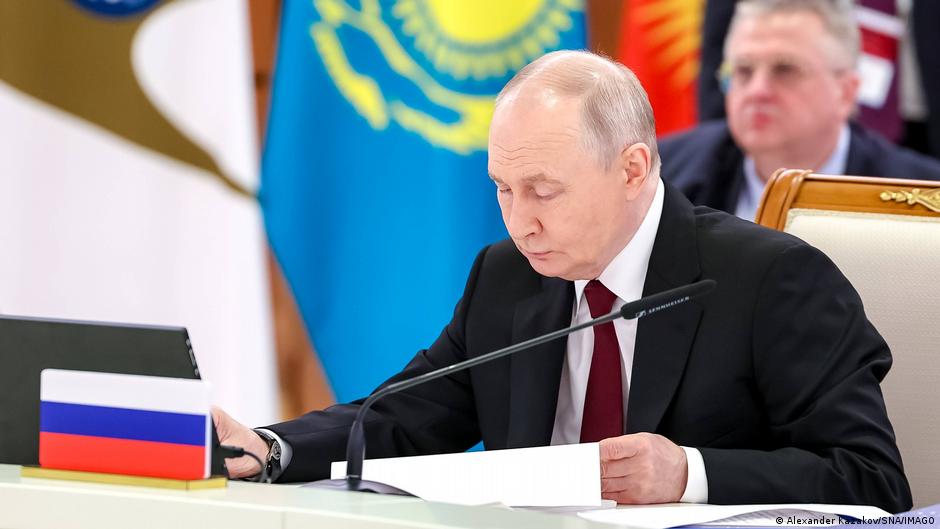
Putin says Armenia’s EU accession push would effectively mean quitting the EAEU, raising questions for trade, prices and investor confidence.

Russia's shadow air fleet in Africa bypasses sanctions, fueling geopolitical tensions that may impact household budgets, inflation, and investor risks globally.

Serbia plans early parliamentary elections in October 2023 amid protests and political uncertainty, raising concerns about impacts on household finances and investor confidence.

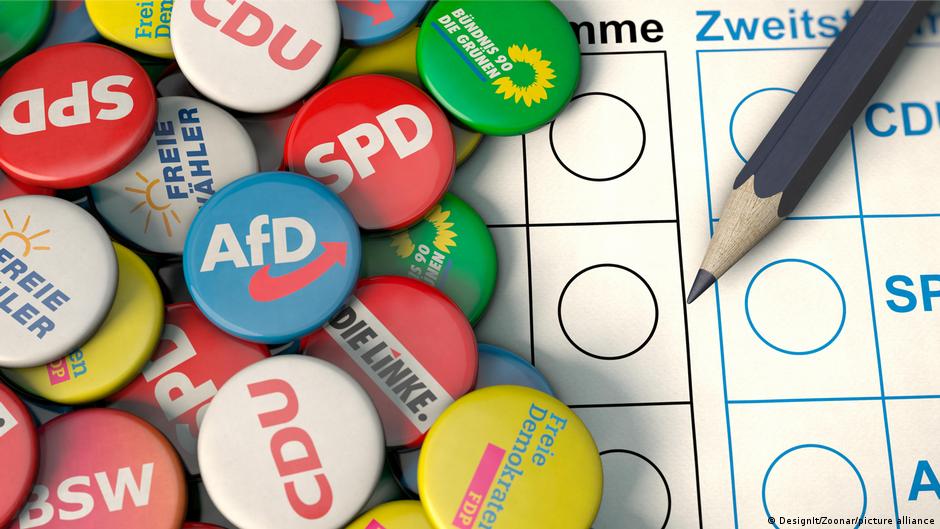
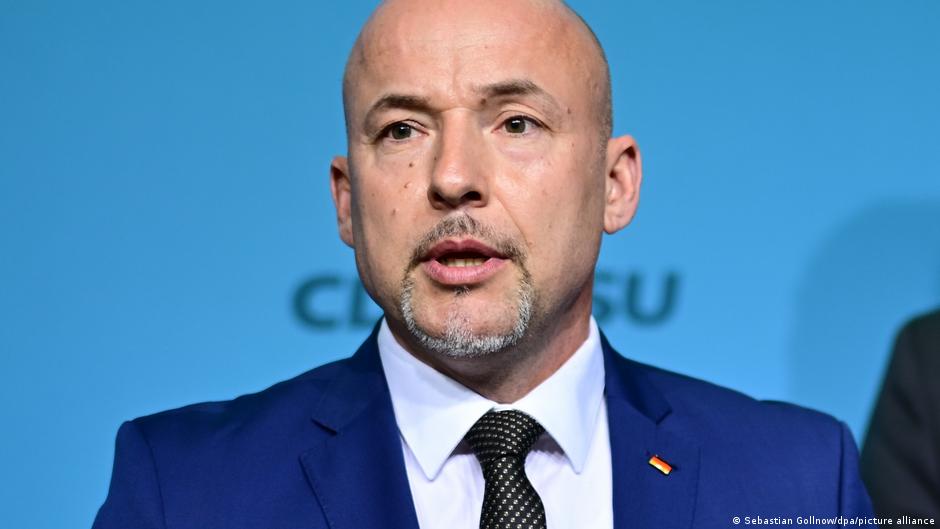
Support for Germany’s CDU/CSU falls to a five-year low, raising concerns about economic stability and consumer confidence ahead of regional elections.

Venezuela’s government and opposition plan talks focusing on earthquake aid and elections, potentially affecting currency stability, household budgets, and investor confidence.

Austria plans to extend mandatory military service to nine months and increase conscript pay, impacting household incomes, savings, and government spending.

Germany’s transport minister resigns amid political tensions, raising concerns over infrastructure projects and economic effects on households and investors.

Germany seeks to secure Ukraine’s advanced drone technologies through a government deal, impacting defense spending, currency stability, and investment opportunities.

Ukraine’s new Prime Minister Sergei Koretsky, an energy sector expert, could influence household utility costs and economic stability amid government reshuffle.

Germany sees a sharp rise in military service refusals, raising concerns about household budgets, savings, and investment strategies amid defense reforms.

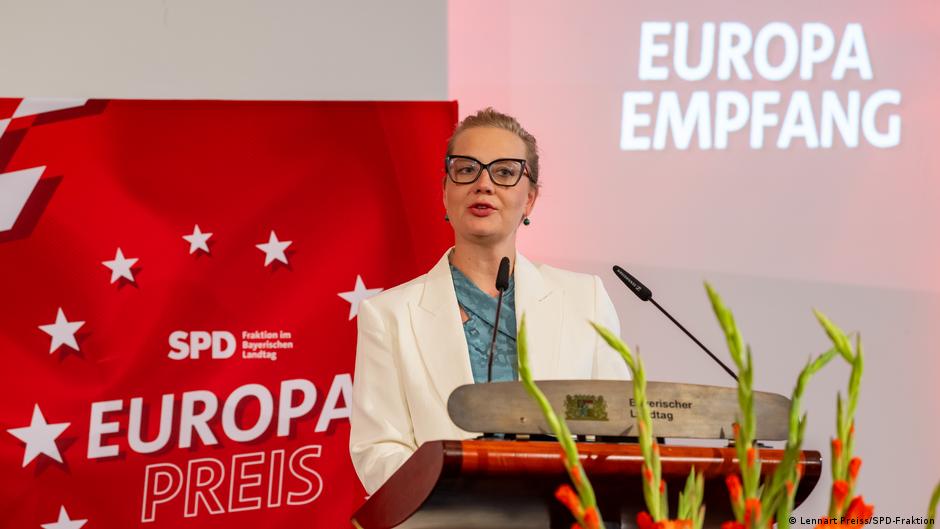
Yulia Navalnaya receives a European Prize for opposing Russia’s authoritarian regime, highlighting the broader economic and financial impacts on European households.

Ukraine’s new National Pantheon and Order of Europe initiatives highlight tensions with Poland that could affect household budgets, currency stability, and investor confidence.

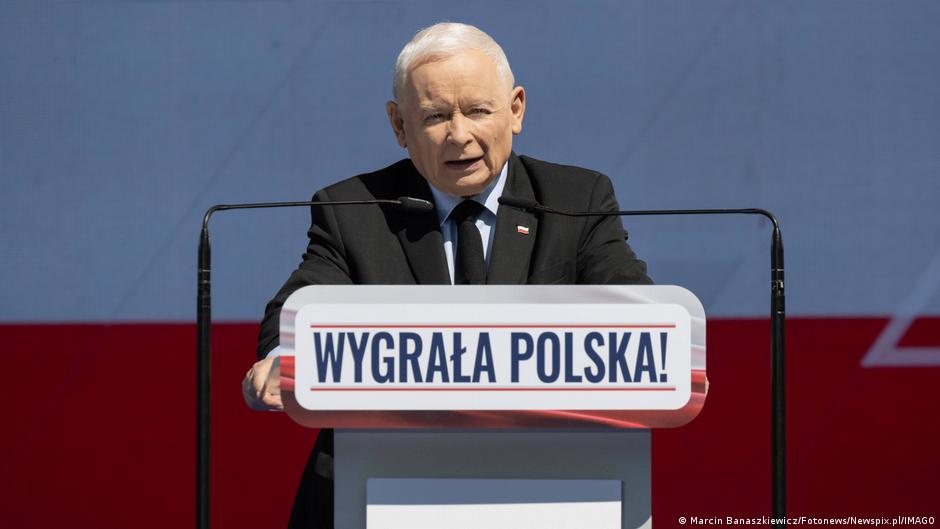
Polish opposition leader Jarosław Kaczyński calls to block Ukraine’s EU accession talks amid rising tensions that could affect consumer economies and household budgets.

Finland's removal of the nuclear weapons ban may impact national security and economic stability, influencing household budgets, savings, and currency markets.

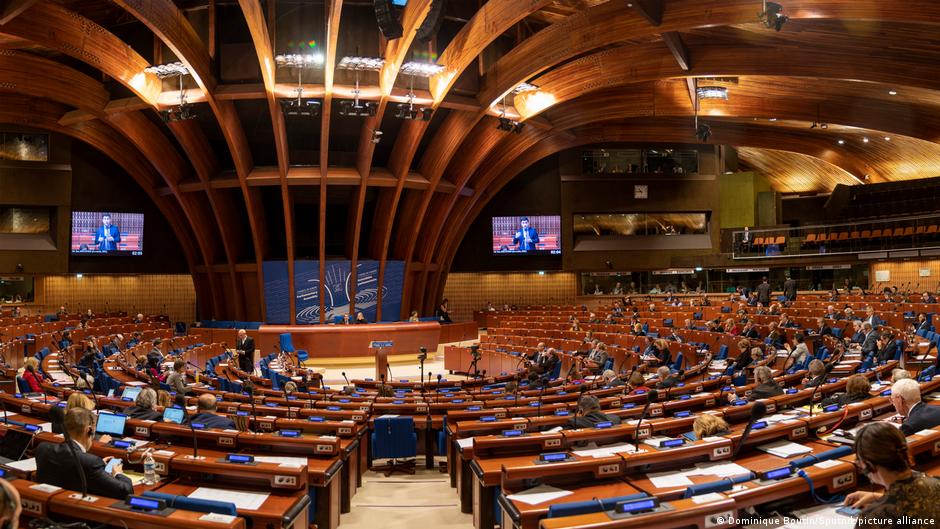
PACE criticized Georgia’s democratic decline and urged reforms, highlighting risks that political instability poses to household budgets, savings, currencies, and investors.

US intelligence warns Israel may disrupt the US-Iran agreement, with implications for regional stability, household budgets, currencies, and investors.

Eduardo Bolsonaro, son of former Brazilian president, sentenced to prison amid political unrest, impacting household finances, currency stability, and investor confidence.

Hungary's parliament limits prime minister terms to two four-year periods, impacting political stability and economic policies that affect household budgets and investor confidence.

Armenia’s parliamentary vote recount reveals minor shifts in party results amid political tensions that may affect currency stability, household budgets, and investor confidence.

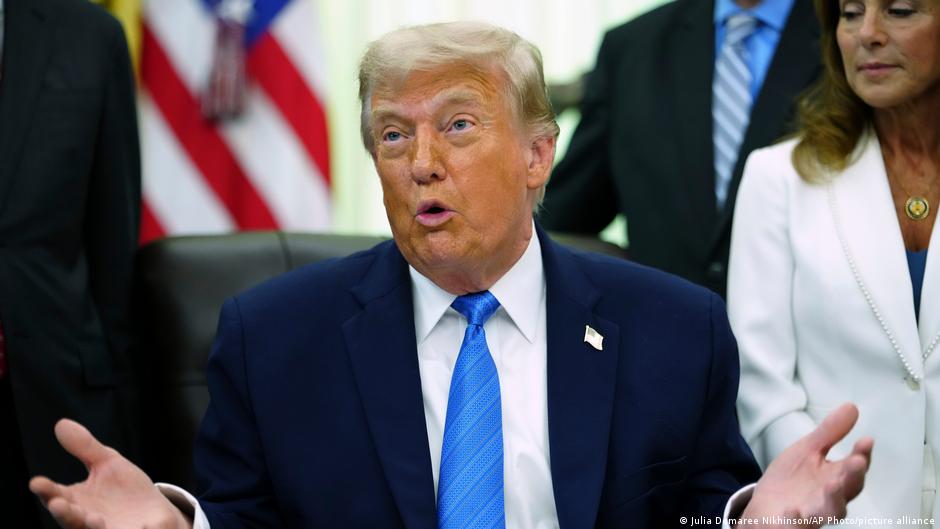
US President Trump halts planned strikes on Iran amid progress toward a regional deal, potentially stabilizing global oil prices and easing the burden on household finances.

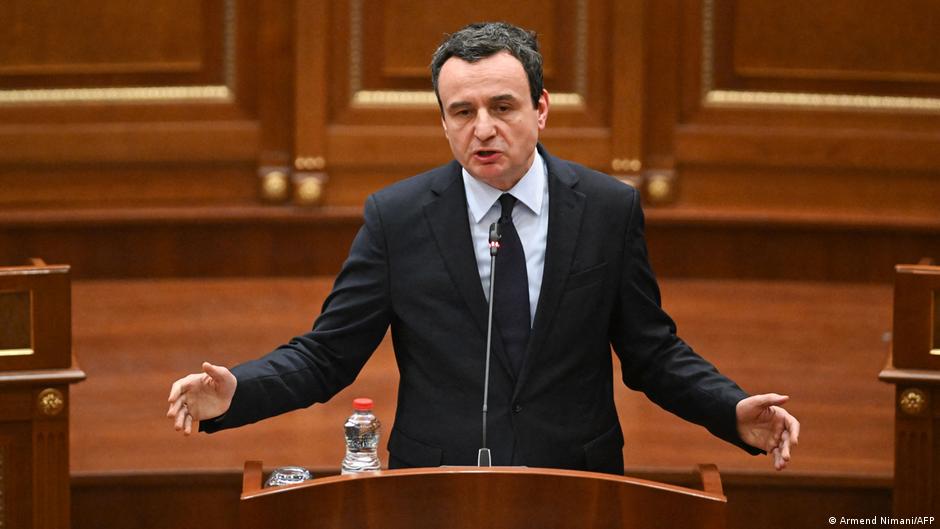
Kosovo’s ruling party wins elections but must form a coalition amid political instability, impacting household budgets, currency stability, and consumer confidence.

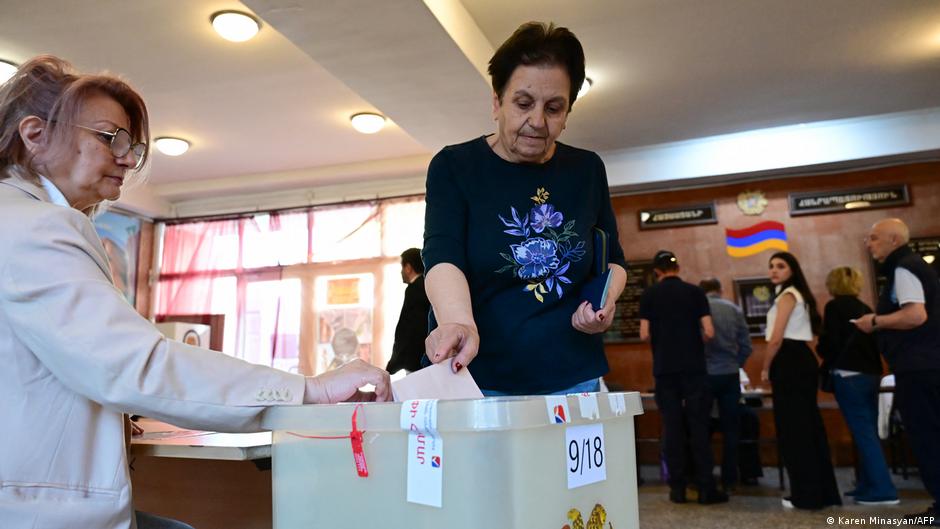
Armenia’s parliamentary elections favor PM Pashinyan’s party, signaling potential economic shifts that may affect household expenses, savings, and currency stability amid geopolitical tensions.

The EU plans to limit US tech giants' access to government cloud contracts, aiming to enhance data sovereignty but potentially raising costs for consumers and businesses.

Putin warns Armenia of tariff hikes and work restrictions if it leaves the Eurasian Economic Union, threatening household budgets and economic ties.

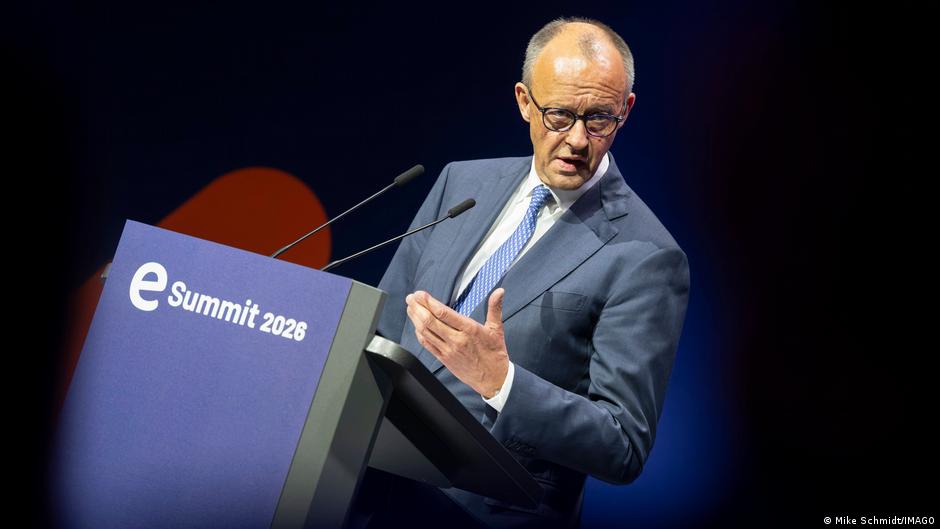
Denials of Chancellor Friedrich Merz’s early replacement ease political uncertainty, helping stabilize Germany’s economy and consumer confidence amid current challenges.

Serbia's anti-government protests disrupt daily life and threaten currency stability, affecting household budgets and economic confidence.

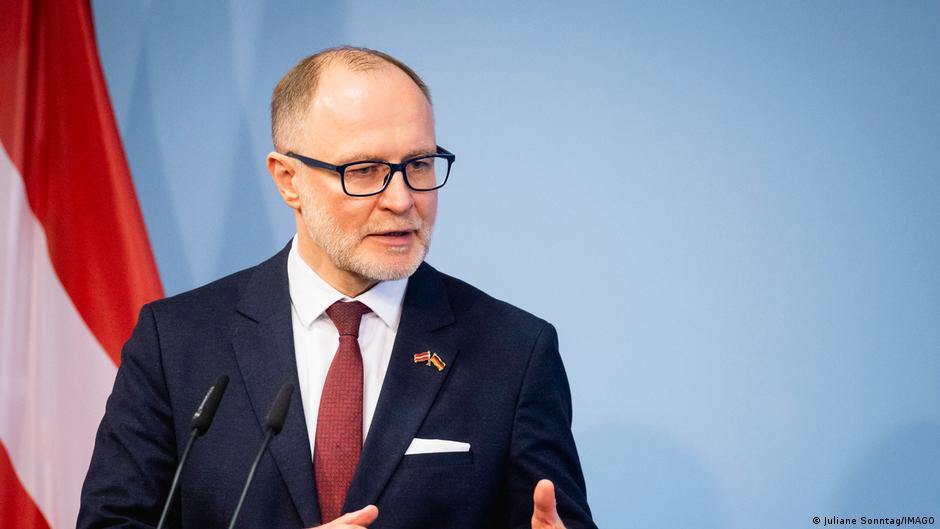
Latvia’s governing coalition collapses amid defense minister resignation, creating political and economic uncertainty that may impact household budgets, currencies, and investors.

The EU-Mercosur free trade agreement starts provisionally, promising cheaper goods but raising concerns over environmental standards and agricultural impacts affecting households and investors.