Armenia’s Parliamentary Elections Signal Shift with Potential Impact on Household Budgets and Currency Stability
Prime Minister Pashinyan’s party leads in Armenia’s pivotal elections amid geopolitical tensions affecting consumer prices and savings.
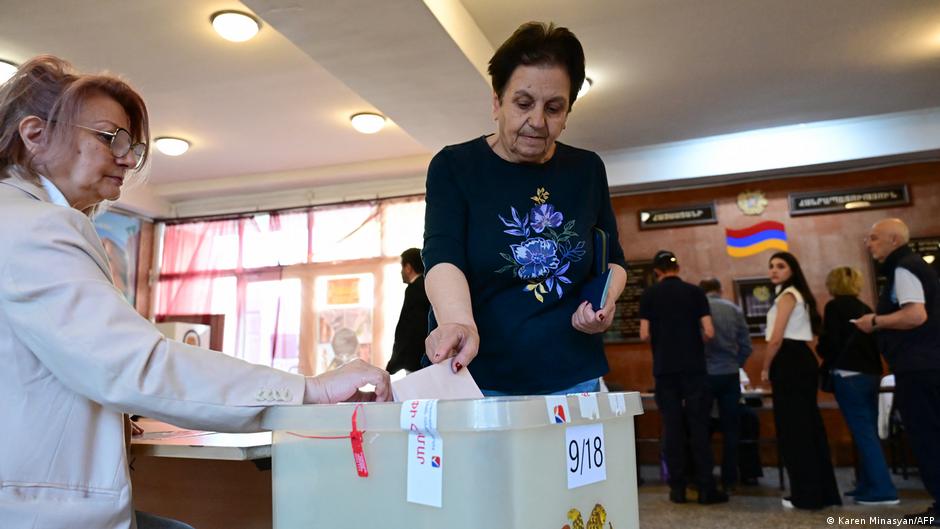
Armenia recently held parliamentary elections that are set to define the country’s foreign policy and economic trajectory for years to come. Preliminary results indicate a strong lead for Prime Minister Nikol Pashinyan’s "Civil Contract" party, which has secured more than half of the vote share so far.
Economic and Consumer Implications Amid Political Shifts
The election outcome holds considerable significance for Armenian households, particularly due to the geopolitical friction between Armenia and Russia. Since Pashinyan's government legislated a strategic pivot toward closer integration with the European Union, economic relations with Russia have become strained. This tension has already manifested in trade restrictions imposed by Russia on key Armenian exports including alcohol, agricultural products, flowers, and fish. For Armenian consumers, these developments risk increasing prices on everyday goods and impacting local producers’ revenues.
With nearly 2.5 million eligible voters, the electoral engagement was higher than in recent years, reflecting heightened public interest in the country’s direction. Opposition forces, mostly favoring continued close ties with Russia, criticized Pashinyan’s early declaration of victory as premature and potentially undermining election commission protocols.
“The current political landscape points to a realignment that may challenge Armenia’s economic stability and household budgets, especially if trade tensions escalate further,” analysts say.
Armenia’s parliament comprises 105 seats, with minority groups represented to ensure inclusivity. The election used a proportional system with thresholds designed to encourage stable majorities, vital for passing economic reforms and managing external relations effectively.
For everyday investors and savers in Armenia, the election’s outcome is pivotal. A shift toward the European Union could introduce new market dynamics and investment opportunities but may also bring volatility as currency markets react to geopolitical uncertainties. The Armenian dram’s exchange rate and inflation rates are likely to feel immediate effects from fluctuating trade policies and international relations.
In summary, while the "Civil Contract" party’s lead offers political continuity under Pashinyan, Armenian households and consumers should prepare for potential short-term financial adjustments. Increased import costs, trade barriers, and currency fluctuations could impact savings and purchasing power, underscoring the importance of prudent personal financial management during this transitional period.