Early Parliamentary Elections in Serbia Scheduled for October 2023 Amid Political Unrest
Serbia's early elections may impact economic stability, household finances, and investor confidence amid ongoing protests and political uncertainty.
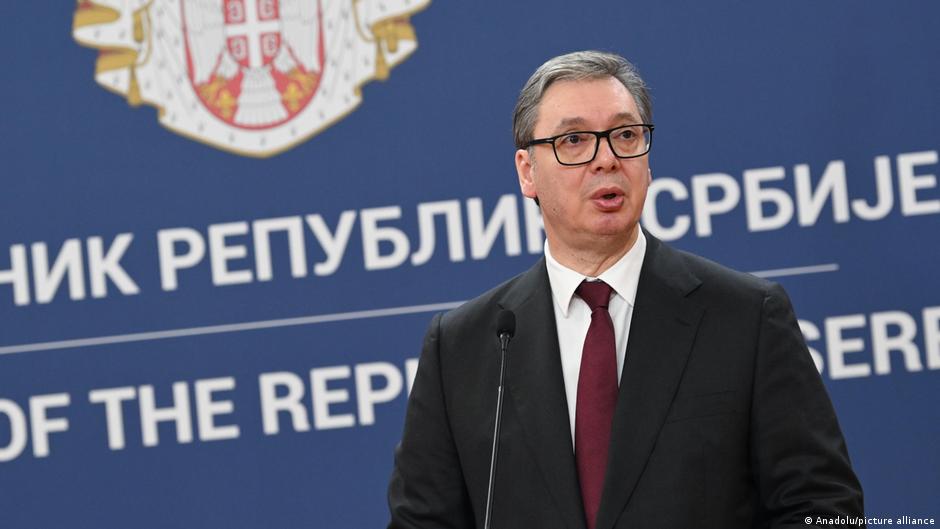
Serbia is set to hold early parliamentary elections in October 2023, more than a year ahead of the initially planned schedule, announced President Aleksandar Vučić on August 20. The election date will be either October 18 or 25, with the exact date to be confirmed soon.
Political Turbulence and Economic Implications
The announcement follows Vučić's earlier indication that he intends to step down from the presidency before the completion of his second term, which officially ends in mid-2027. Serbia's constitution restricts any individual from serving more than two presidential terms.
This political development occurs against the backdrop of widespread public discontent. For over 18 months, Serbia has witnessed large-scale protests sparked by a tragic railway station collapse in Novi Sad that killed 16 people. These demonstrations, often involving tens or hundreds of thousands of participants, have increasingly targeted corruption and governance issues, with students playing a leading role.
Protesters accuse Vučić and his administration of pervasive corruption, ties to organized crime, repression of political opponents, and curtailment of free speech. Public opinion polls reveal that approximately 80% of Serbians support the anti-corruption demands articulated by protestors, while around 64% endorse the protests themselves.
"The early elections may serve as a crucial turning point for restoring public trust and political stability," analysts suggest, highlighting the potential economic consequences.
From a personal finance perspective, political instability often exacerbates currency volatility and can undermine consumer confidence. In Serbia’s case, households may face increased uncertainty regarding inflation and savings security, as government policy direction in the run-up to and following elections tends to fluctuate.
Everyday investors could also experience heightened risk, with local stock and bond markets potentially reacting negatively to perceived instability. Furthermore, inflationary pressures may intensify if investor confidence weakens, impacting household budgets through higher prices on essentials.
Serbia’s early elections thus carry significant implications not only for the nation’s political landscape but also for the financial well-being of its citizens and the stability of its economy.