Germany Transfers Gas Power Plant from Nord Stream to Ukraine, Impacting Energy Costs
Germany donates an 84 MW gas power plant from Nord Stream pipeline facilities to Ukraine, affecting energy infrastructure and household budgets amid ongoing conflict.
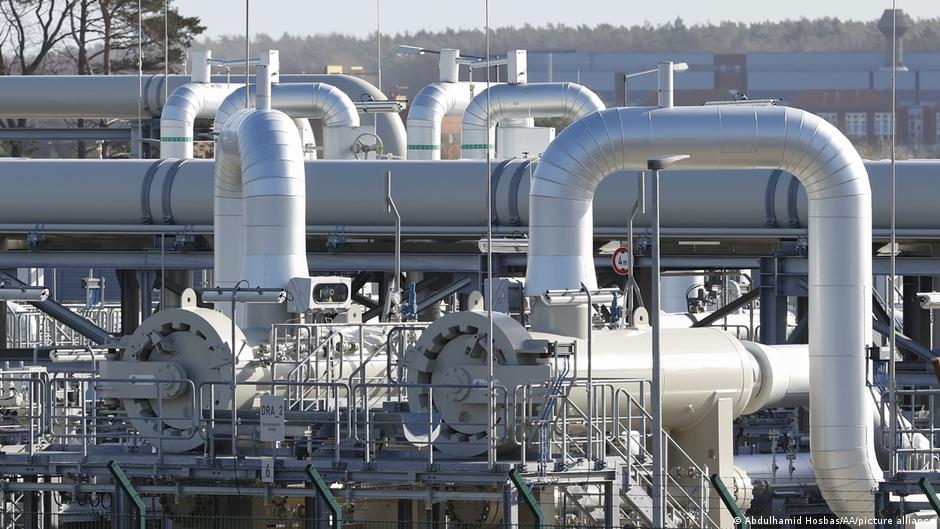
Germany has announced the transfer of a gas-fired combined heat and power plant, previously used to support the Nord Stream gas pipeline, to Ukraine as part of humanitarian aid. The facility, located in Lubmin near Greifswald and owned by Industriekraftwerk Greifswald GmbH (IKG), is being handed over on a self-pickup basis, according to the German energy company Sefe Securing Energy for Europe (formerly Gazprom Germania).
Energy Infrastructure Shift and Its Consumer Implications
The plant provided technological heat and electricity, with a capacity of 84 megawatts, to facilitate the flow of Russian natural gas through the Nord Stream pipeline into the German gas transport network. However, following Russia’s reduction and eventual cessation of gas supplies through Nord Stream in summer 2022, and the subsequent suspension of German imports of Russian gas due to the conflict in Ukraine, the plant's operation became economically unviable.
The Nord Stream pipelines, which were severely damaged by explosions and have not been operational since, were central to Germany's import of Russian gas. With the halt of Russian supplies, the power plant dependent on these flows had no alternative heat consumers and was completely shut down in 2023.
"This transfer not only avoids the costs of dismantling or disposing of the plant but also supports the Ukrainian energy infrastructure," said a Sefe company representative.
Sefe, the majority owner of IKG, noted that finding a buyer for the plant was unsuccessful. Therefore, the decision to transfer the facility to a Ukrainian operator, who will handle removal logistics, serves both economic and humanitarian interests.
For German households, this development reflects broader energy market shifts triggered by geopolitical tensions. The cessation of Russian gas supplies has led to increased energy prices and volatility, impacting household budgets and savings. The transfer of the power plant symbolizes a realignment of energy resources amid ongoing conflict, with potential medium-term effects on regional energy security and currency fluctuations influencing consumer energy costs.
For everyday investors, the move underscores risks in energy investments tied to geopolitical factors and the importance of diversification. The transition in supply sources and infrastructure also signals evolving market opportunities in renewable and alternative energy sectors, which may influence future investment strategies.
In summary, the handover of the 84 MW gas power plant to Ukraine not only aids the country’s energy resilience but also highlights the cascading effects of geopolitical conflicts on European energy markets, household finances, and investment landscapes.