Trump Delays Russia Sanctions as Diesel Costs and Markets Hang in Balance

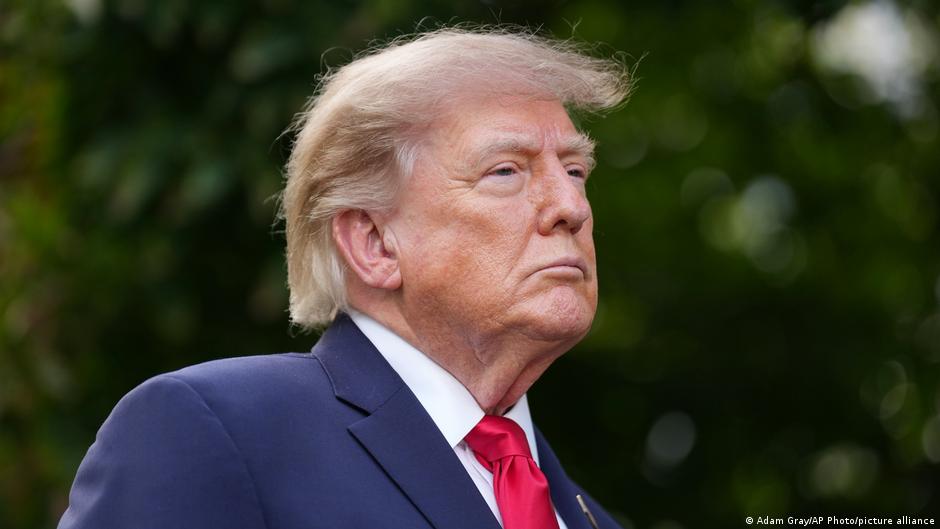
Trump postponed sweeping Russia tariffs to preserve Ukraine talks and limit Moscow’s support for Iran, leaving fuel prices, household costs and markets uncertain.

Trump postponed sweeping Russia tariffs to preserve Ukraine talks and limit Moscow’s support for Iran, leaving fuel prices, household costs and markets uncertain.

A reported US peace proposal involving renewed Russian gas supplies could affect European energy bills, inflation, currencies and household investments.
Trump’s Ukraine peace comments sharpen attention on energy risk, inflation pressures and currency volatility for households and investors.

Reported U.S. pressure on Ukraine over refinery strikes could affect fuel prices, inflation expectations, currencies and investor risk.

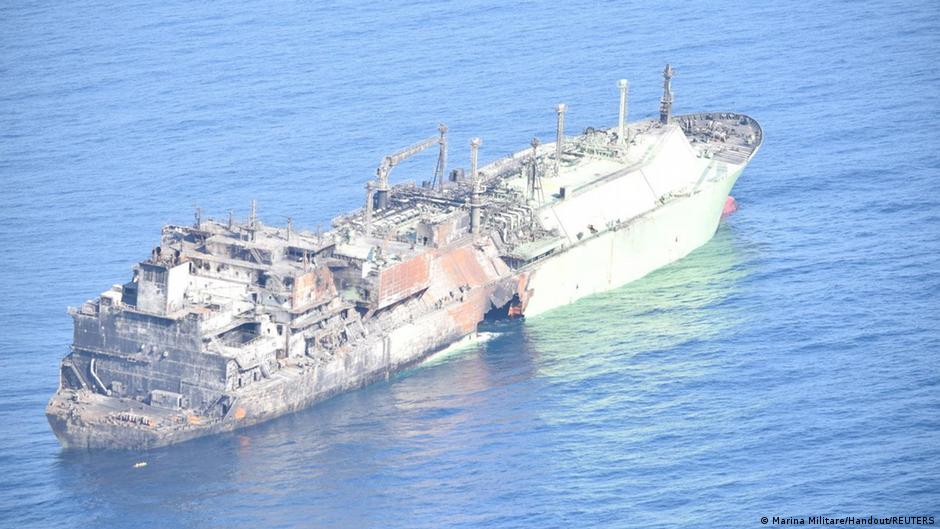
A U.S. strike disabled a cargo ship near Iran, while a tanker was hit in Hormuz, raising fresh concerns over fuel costs and household budgets.

Two Latvian citizens were detained at RAF Molesworth, adding to security concerns that may shape household costs, currencies and investor sentiment.

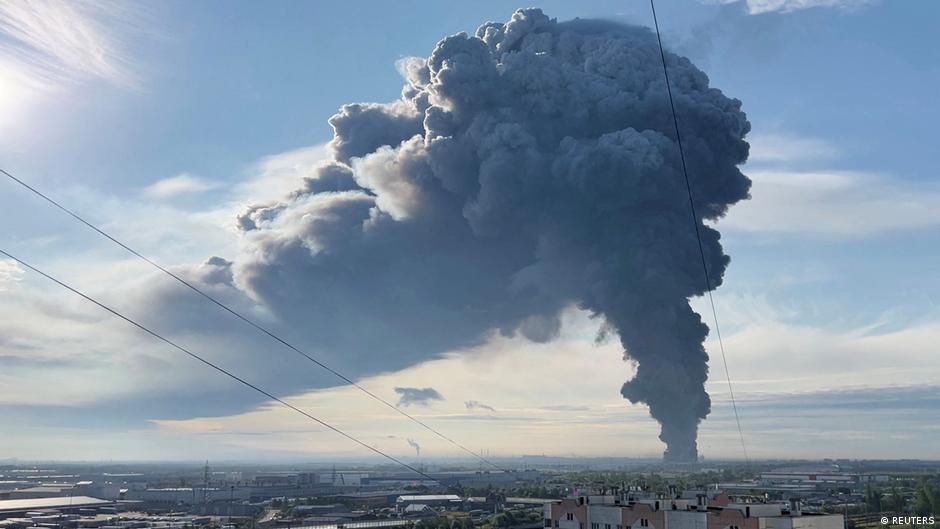
A tanker fire near Sochi closed Sirius beaches and highlighted how Black Sea energy risks can reach consumers through fuel, inflation and investments.

Reports from Irkutsk have drawn Trump and WHO attention, raising questions for consumers about possible energy, currency and market spillovers.

Trump expects new Iran talks as the Hormuz dispute raises risks for oil prices, household budgets, currencies and everyday investors.

Yemen’s mobilization call comes as Houthi advances threaten key waterways, oil exports and energy costs that can hit household budgets.

Russia’s expanding ship registry could add uncertainty to energy markets, with possible effects on household fuel costs, inflation and investor risk.

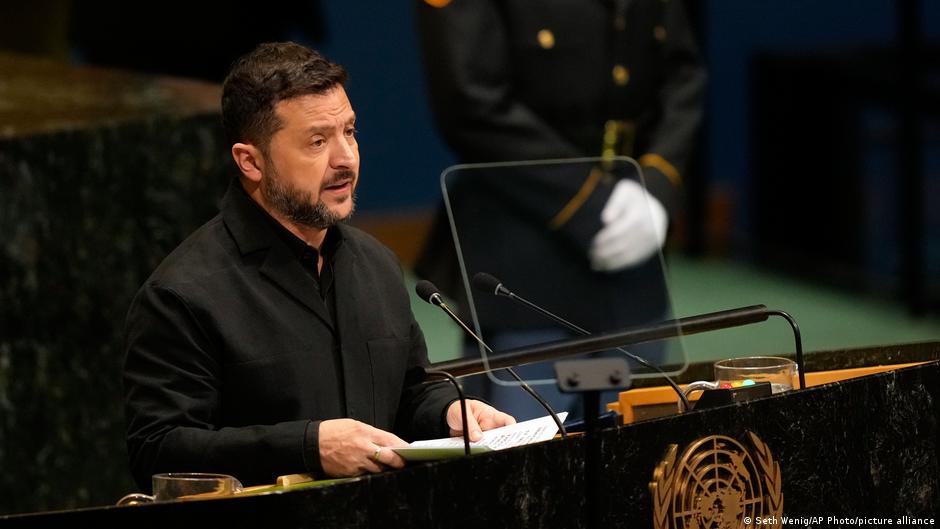
Zelensky’s UN speech tied Russia’s war capacity to energy risks, winter heating pressure and the market uncertainty facing households and investors.

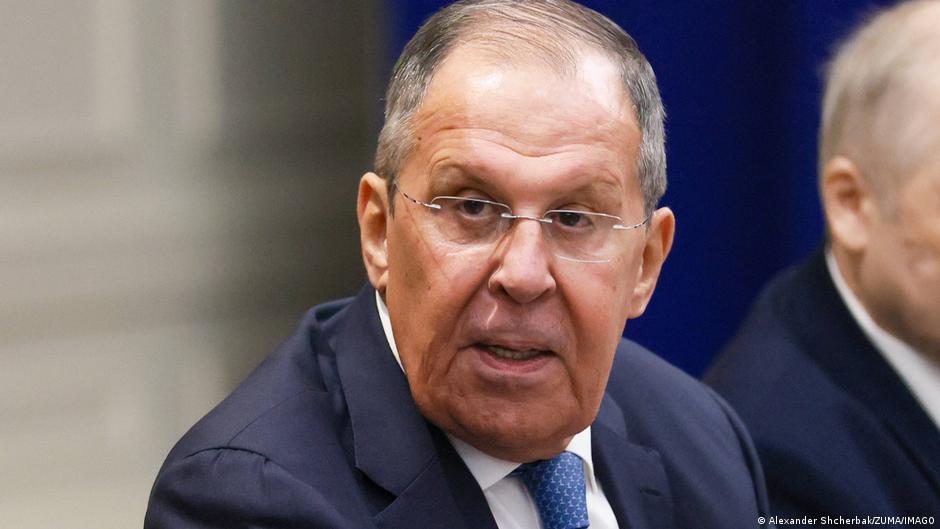
Lavrov ruled out a pause for Ukraine talks, keeping war-related uncertainty in focus for consumers, currencies and everyday investors.

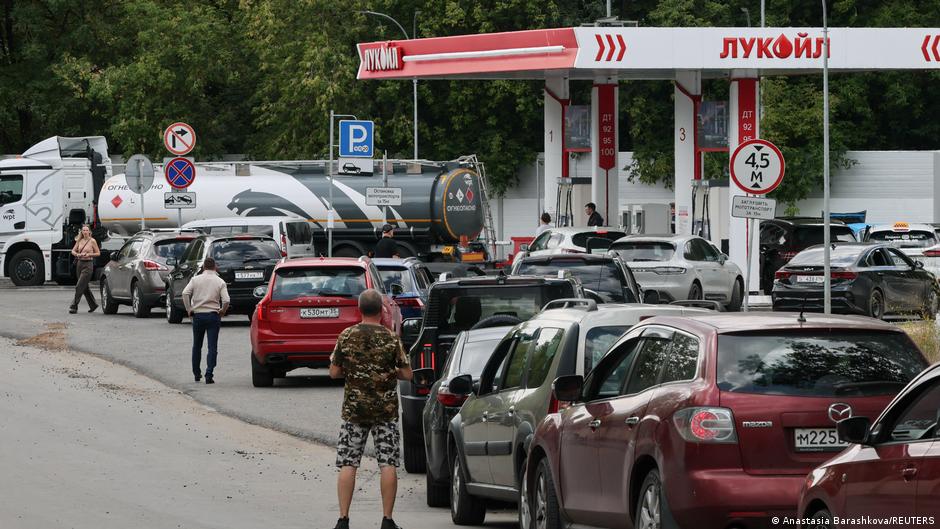
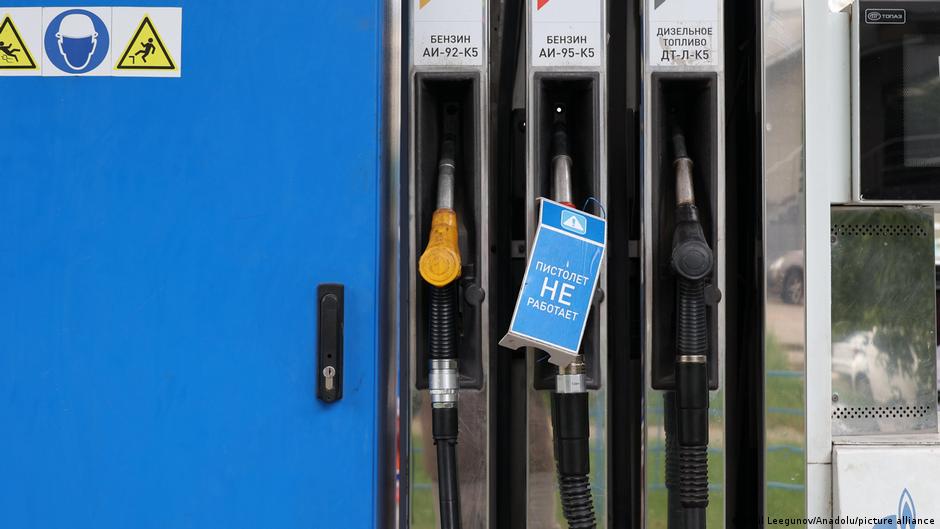
Kaluga and Zabaykalsky Krai are limiting gasoline sales again as refinery disruptions renew pressure on drivers and local budgets.

U.S.-Iran talks in New York may influence energy costs, currencies and investor confidence as households watch geopolitical risks.

Saudi Arabia said it intercepted a Houthi missile aimed at Riyadh, adding pressure to oil routes that affect fuel prices and consumer costs.

A U.S. strike on a Caribbean boat killed four people, extending a campaign that could affect household budgets through security, fuel and market risks.

Trump signed a sanctions law targeting Russian energy buyers, creating new risks for fuel prices, household budgets and investor portfolios.

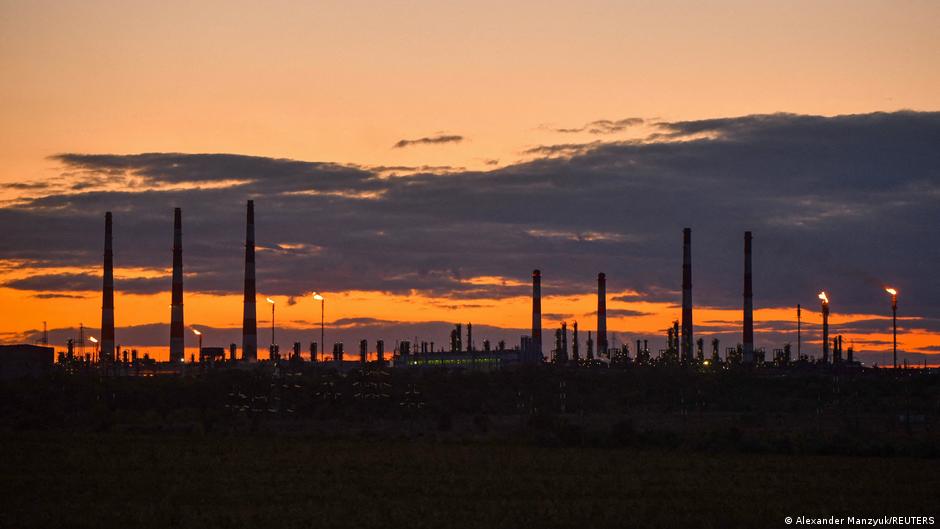
A major Yaroslavl refinery has halted fuel shipments after drone damage, worsening Russia’s fuel shortages and raising risks for household budgets.

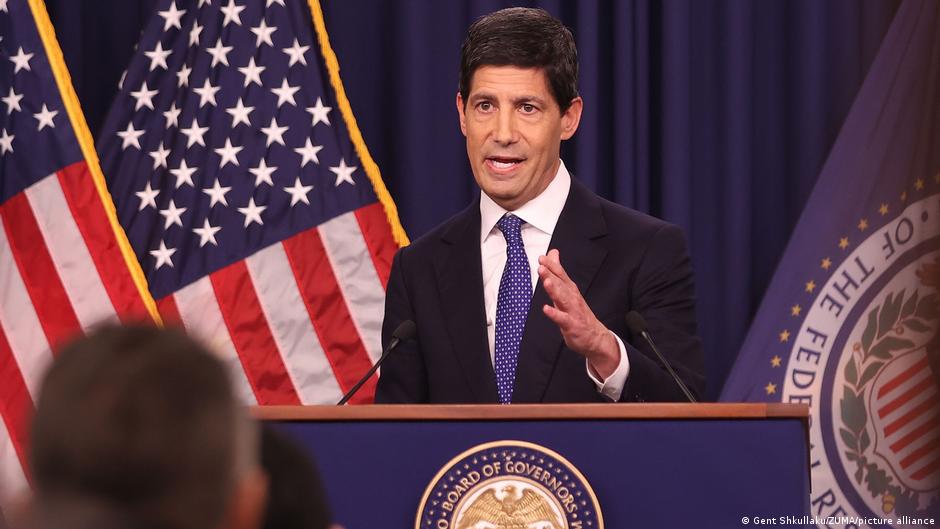
The Fed lifted rates to 3.75-4%, raising borrowing pressure for households while potentially improving returns for savers.

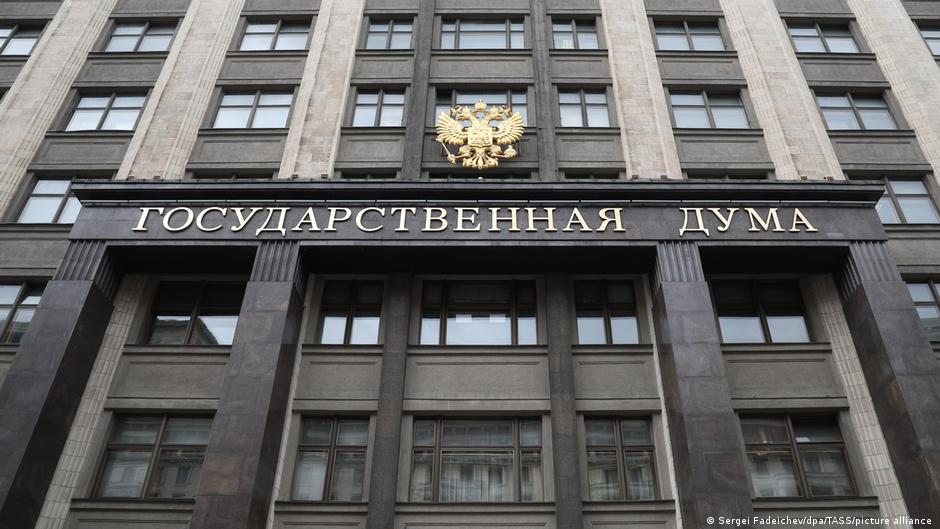
The House advanced a bill allowing 100% tariffs on buyers of Russian energy, raising consumer price and investor concerns.

Strikes on a Russian refinery and warehouses raise questions for fuel costs, deliveries, inflation and investors tracking war risk.

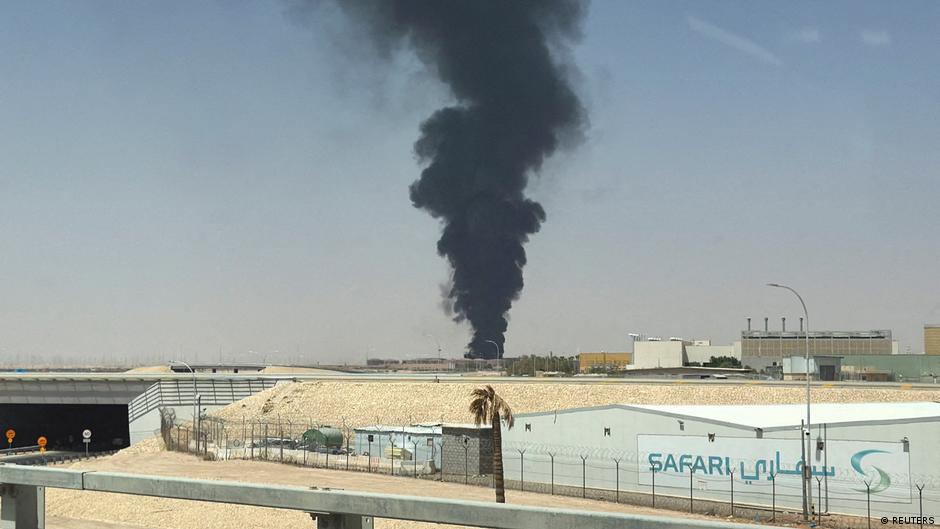
A prolonged Saudi pipeline shutdown could tighten oil supplies, raising risks for fuel prices, household budgets, currencies and investors.

Russia is expected to attend G20 energy talks in Houston as energy security risks continue to shape fuel costs, inflation and investor sentiment.

Houthi gains near Bab el-Mandeb raise the risk of higher oil prices, shipping costs and market volatility for households and investors.

Zelensky expects U.S. talks by late September on food and energy security, issues tied to household bills, inflation and market risk.

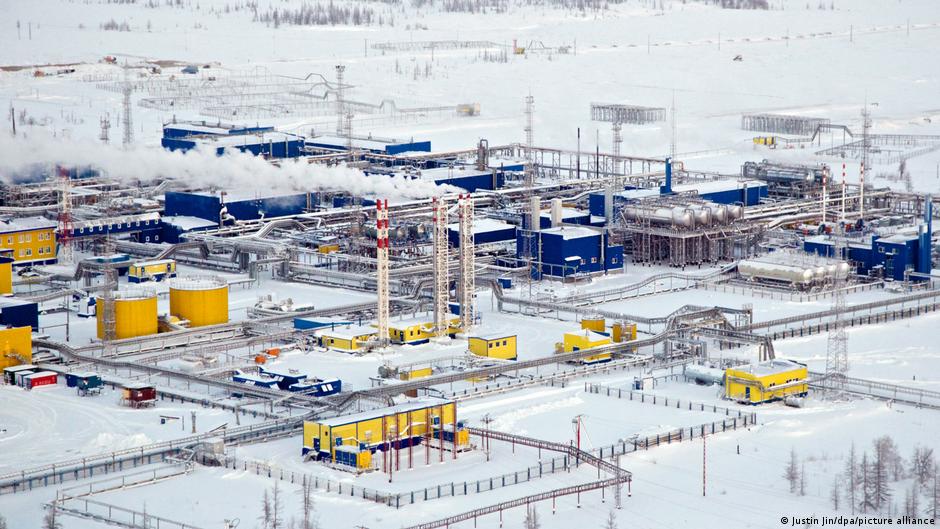
A reported Ukrainian drone attack in Russia’s Yamal gas region raises fresh questions for energy prices, currencies, household budgets and investors.

U.S. strikes on Iranian oil tankers raise new questions for fuel prices, inflation risks, currencies and small investors watching Gulf tensions.

AfD’s Saxony-Anhalt win raises uncertainty over coalition talks, energy policy, sanctions and the economic outlook for households and investors.

U.S. envoys discussed Ukraine peace plans with Putin before Kyiv talks, a development that could affect household costs, currencies and investors.

The EU pledges ongoing support to Ukraine amid conflict, maintaining sanctions on Russia that affect European household budgets, currency markets, and investors.

Rising tensions in the Strait of Hormuz threaten oil supply stability, potentially driving up fuel costs and affecting household budgets and investments globally.

The US plans to declare the Strait of Hormuz as its territory, potentially raising energy prices worldwide and impacting household budgets due to ongoing military tensions with Iran.

Russian attacks in Ukraine’s Dnipropetrovsk and Kharkiv regions cause civilian casualties and damage to infrastructure, intensifying financial hardships for affected households.

US Senate sanctions targeting Russian energy exports may drive higher fuel prices and inflation, affecting household budgets and investors worldwide.

Russia extends sale of Euro-2 to Euro-4 fuels until 2027 amid refinery disruptions, impacting fuel prices and vehicle compatibility for consumers.

Ukraine's 40-day operation against Russian energy infrastructure disrupts fuel supplies, raising global prices and impacting household budgets and investors worldwide.

Russia's redeployment of a major warship near Germany heightens risks to Baltic shipping routes, potentially affecting European energy supplies and consumer costs.

The US Senate advances sanctions bill imposing steep tariffs on Russian imports, potentially raising prices and affecting household budgets and investments.

Russia’s July oil and gas revenues may rise 60% year-on-year due to higher global prices, affecting household budgets, currency stability, and consumer finances amid ongoing sanctions.

Russia’s oil product production dropped nearly 22% in June, driving fuel price increases and straining household budgets and consumer spending.

Iran’s Revolutionary Guard attacked an oil tanker near the Strait of Hormuz, threatening global oil supplies and raising fuel prices, impacting household budgets and investors worldwide.

Russia's updated fuel damping law aims to stabilize fuel prices, helping households manage costs amid market disruptions and supporting agricultural and import supply chains.

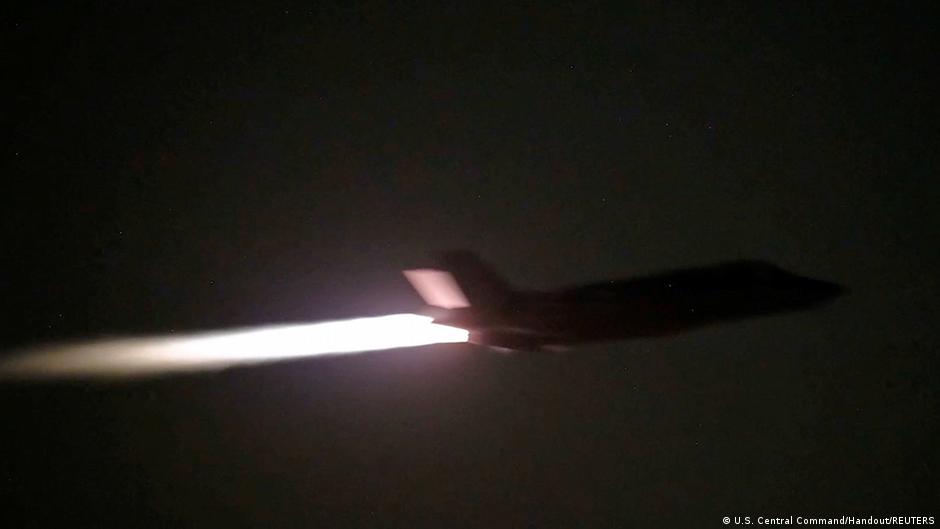
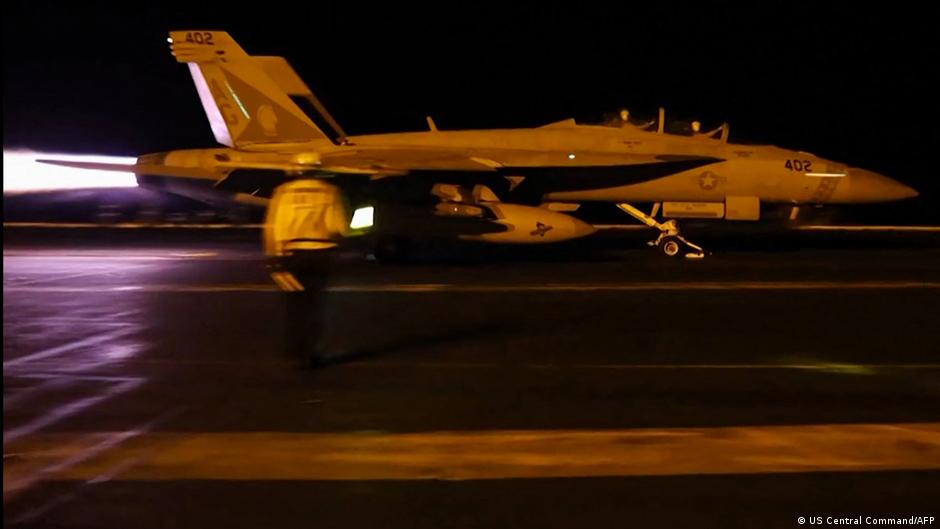
Eleven nights of US strikes on Iran disrupt key oil routes, pushing energy costs higher and affecting household budgets and investor confidence globally.

US strikes on Iran enter the tenth day, risking global energy supply disruptions that could raise fuel prices and strain household budgets and investor portfolios worldwide.

US-Iran conflict intensifies with nine nights of US strikes and Iranian retaliation, disrupting energy flows through the Strait of Hormuz and impacting global fuel prices.

US plans to allow Saudi uranium enrichment could raise oil prices, affect currencies, and impact household budgets and investments worldwide.

Ukraine’s new Prime Minister Sergei Koretsky, an energy sector expert, could influence household utility costs and economic stability amid government reshuffle.

The US is negotiating to restore an Iraq-Syria oil pipeline to bypass the Strait of Hormuz, aiming to stabilize energy supplies and ease global household energy costs.

US military strikes on Iran near the Strait of Hormuz risk disrupting oil supplies, driving up energy prices, and straining household budgets and investments globally.