US Plans to Claim Strait of Hormuz as Territory Amid Rising Military Presence
Trump's announcement to declare the Strait of Hormuz US territory may impact global oil supply and household energy costs.
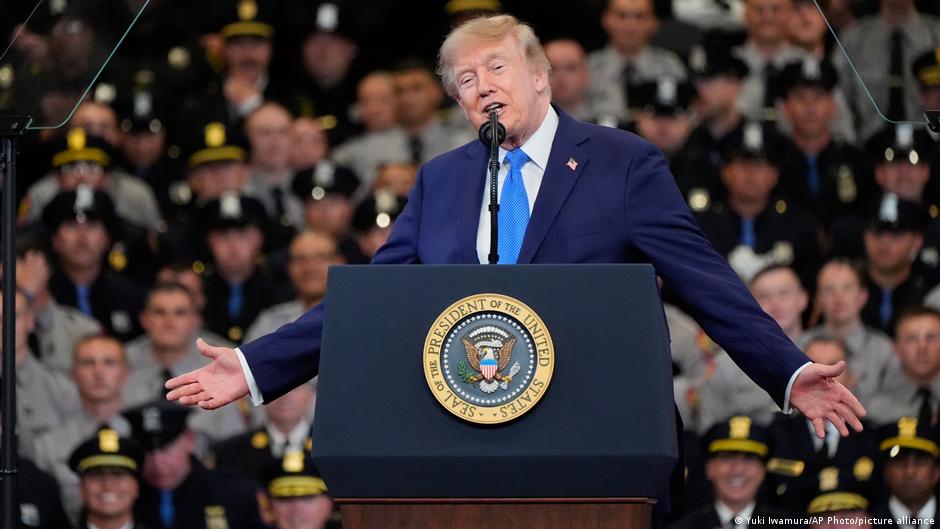
The United States President Donald Trump announced plans to declare the Strait of Hormuz as American territory following what he described as a final victory over Iran. This strategic waterway, a vital passage for global oil shipments, is currently under military control amid ongoing tensions between Washington and Tehran.
Implications for Global Energy Markets and Household Budgets
The Strait of Hormuz is a crucial chokepoint through which approximately one-fifth of the world’s petroleum passes. Recent disruptions and blockades tied to the conflict between the US and Iran have already contributed to a reduction in global oil reserves. For everyday consumers, these developments could translate into higher energy prices and increased costs at the gas pump, squeezing household budgets worldwide.
Declaring the strait as US territory would likely necessitate a permanent military presence, raising concerns about prolonged regional instability. While President Trump has previously insisted that any conflict with Iran would be brief, this new stance signals a potential for extended military engagement.
"Strengthening economic pressure on Tehran may prove more effective than new military strikes," Trump stated, suggesting that sanctions and blockades might compel Iran to concede.
The ongoing dispute also affects currency markets and investment portfolios. Energy sector volatility often drives fluctuations in commodity prices and currencies linked to oil exports, impacting investors and savers globally. For households with exposure to energy stocks or currencies of oil-producing nations, this geopolitical tension underscores the importance of diversified financial strategies.
Iran has denied US control over the Strait of Hormuz, asserting its own blockade measures and demanding compensation and sanction relief in exchange for reopening the passage. The uncertainty surrounding the strait’s status continues to fuel market speculation and caution among international traders and investors.
President Trump’s broader ambitions to extend US control over other strategic areas, including Greenland and the Panama Canal, align with this assertive geopolitical approach. However, the immediate concern remains the potential economic ripple effects stemming from the Strait of Hormuz’s contested status, directly influencing global energy prices and, by extension, the everyday financial well-being of consumers.