Russia Authorizes Sale of Lower-Grade Fuels Until 2027 Amid Energy Crisis Impacting Households
Temporary approval of Euro-2 to Euro-4 fuel aims to maintain supply despite refinery disruptions, affecting consumer fuel costs and vehicle compatibility.
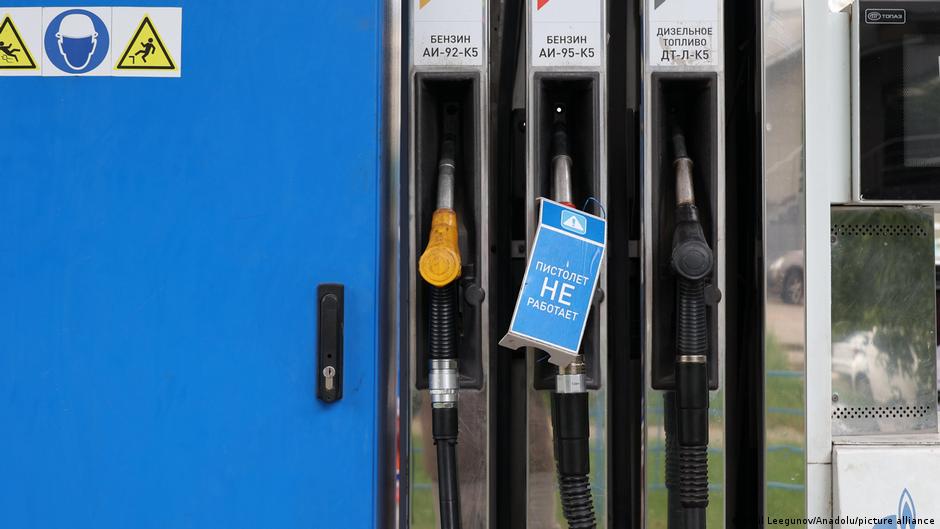
The Russian government has authorized the production and sale of lower environmental standard fuels—specifically Euro-2, Euro-3, and Euro-4 gasoline—until July 1, 2027. This decision comes as a temporary, crisis-driven measure to balance fuel availability with quality requirements amidst ongoing disruptions in oil refining capacity.
The Ministry of Energy announced the extension on August 5, highlighting that fuel stations will clearly display the ecological classes of fuels to inform consumers. Previously, Russia was moving towards higher-grade fuels like Euro-5; however, this plan has been suspended with the revocation of the allowance for Euro-5 gasoline sales with elevated sulfur content through 2026.
Impact on Consumers and Household Budgets
The backdrop to this policy shift is a severe fuel production crisis triggered by systematic attacks on Russia's energy infrastructure, particularly oil refineries. Notably, the Moscow "Kapotnya" refinery, responsible for almost 40% of the capital's fuel supply, suffered two strikes in May and will remain offline until late 2026 or early 2027.
According to Reuters, gasoline production in Russia dropped 25% year-over-year in June 2026, reaching 85,000 tonnes per day against a summer demand of approximately 110,000 tonnes. Over 40 regions have imposed fuel sales restrictions to manage scarce supplies.
"This temporary return to lower fuel standards allows for simpler production processes using crude oil without deep refining," said Dmitry Prokofiev, communications director at NEFT Research. "While output may increase by hundreds of thousands of tonnes monthly, it likely won't offset the total shortfall."
For everyday consumers, this means that the fuel available at many stations may be of lower environmental quality and potentially less suitable for modern vehicles designed for higher-grade fuels. The use of Euro-2 to Euro-4 fuels can lead to increased emissions and may pose risks to engine performance or longevity in some cars.
Households may experience shifts in fuel prices and availability, affecting transportation costs and household budgets. While simplified fuel production could ease supply constraints and prevent sharp price spikes, the trade-off involves potential environmental and mechanical risks.
Consumers are advised to monitor fuel quality indicators at stations and consult vehicle manufacturer guidelines regarding fuel compatibility. This transitional phase underscores the interconnected nature of geopolitical events, energy infrastructure resilience, and everyday expenses for Russian citizens.