Yaroslavl Refinery Halt Raises Fresh Fuel Cost Risks for Russian Households
Damage to major processing units at the YANOS refinery has stopped fuel shipments, adding pressure to already strained gasoline supplies across Russia.
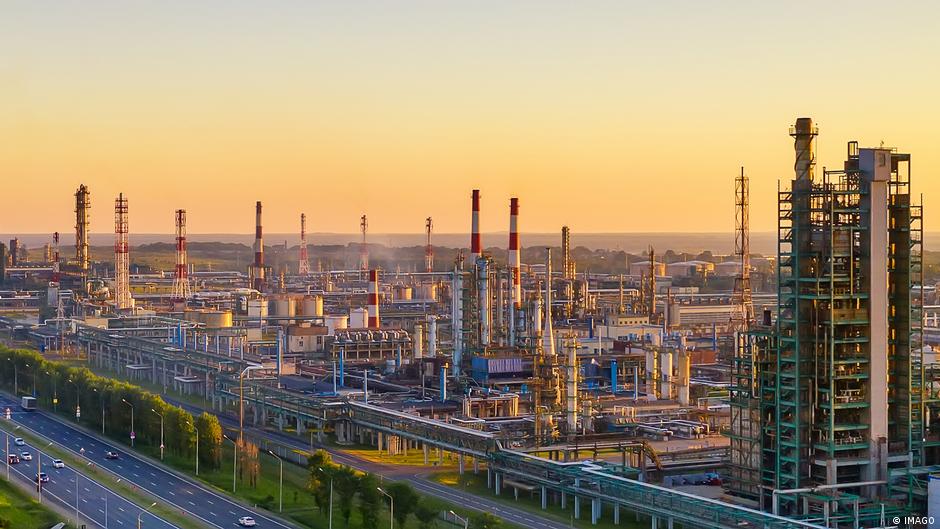
A major refinery in Yaroslavl has halted crude processing and fuel shipments after drone attacks damaged key production units, tightening Russia’s domestic fuel market at a time when many households are already facing shortages at the pump.
The Slavneft-Yaroslavnefteorgsintez refinery, known as YANOS, is among Russia’s largest oil-processing plants and had supplied fuel to the Moscow region. Reuters reported that the facility stopped processing oil and shipping fuel after another Ukrainian drone attack, citing four industry sources. The report said the attack took place overnight on September 17.
For consumers, the shutdown matters because YANOS is not a marginal facility. The refinery is described as one of Russia’s top 10 refineries and is also placed by media reports among the five largest Russian plants by crude-processing volume. Its declared capacity is 15 million tons of oil per year, and it had supplied more than 2.6 million tons of gasoline and 4 million tons of diesel annually to markets, including the Moscow region.
Why the Shutdown Matters for Household Budgets
The immediate financial risk is straightforward: less fuel available in the domestic market can mean longer searches for gasoline, higher local prices, and greater pressure on household transport costs. Even where official prices are controlled or politically sensitive, shortages can impose costs in other ways, including wasted time, travel to more distant filling stations, and reduced mobility for workers and small businesses.
According to the industry sources cited in the report, the latest attack damaged the AVT-3 crude-processing unit, which accounted for 40 percent of YANOS capacity. Yaroslavl region Governor Mikhail Yevrayev confirmed damage and a fire at the plant, which took several hours to extinguish.
The refinery had already suffered a serious loss weeks earlier. Media reports said that overnight on August 28, another unit, AVT-4, was knocked out of operation. That unit accounted for about 33 percent of YANOS capacity and had not resumed operations. After the attacks, YANOS stopped exchange-traded fuel shipments.
YANOS supplied more than 2.6 million tons of gasoline and 4 million tons of diesel annually, while also serving the Moscow region fuel market.
The combined disruption to units representing large shares of the plant’s capacity raises the pressure on supply chains that ordinary drivers, delivery firms, farmers, commuters, and small companies rely on. Diesel shortages can feed into broader consumer costs because diesel powers freight, agricultural machinery, and many commercial vehicles. Gasoline shortages hit household budgets more directly, especially in regions where driving is essential for work, school, or medical access.
Fuel Shortages Have Already Spread
The Yaroslavl halt follows another major disruption in the region. Since September 6, Rosneft’s refinery in Ryazan has not been shipping fuel because of the consequences of drone attacks. That plant has capacity of 17 million tons of oil per year, larger than the Yaroslavl refinery’s stated 15 million-ton annual capacity.
Ukrainian strikes on Russian oil-refining facilities contributed to a fuel crisis in Russia over the summer. The Kremlin and President Vladimir Putin have acknowledged the problem only reluctantly. Putin has described fuel difficulties as temporary and said attacks on refineries are not capable of influencing events on the front.
Yet data cited from Gdebenzin, a service that aggregates websites and services linked to fuel searches in Russia, showed that in mid-September gasoline grades AI-92 and AI-95 were unavailable at roughly half of filling stations in the country. The figures moved from day to day, but a chart cited by Novaya Gazeta Europe showed that acute fuel shortages in Russia had continued since mid-August.
For households, those shortages can function like a hidden inflation shock. Even when the posted price of fuel does not immediately jump, scarcity changes behavior. Families may delay trips, consolidate errands, avoid discretionary travel, or hold more cash for transport. Commuters with fewer alternatives can be hit hardest, while rural households often have less ability to switch to public transit.
The effect can also spread into everyday purchases. If diesel supply remains tight, transport costs for food and consumer goods can rise. Small businesses that depend on vans, taxis, farm equipment, or generators may face thinner margins or pass higher costs to customers. In a prolonged shortage, consumers may also increase precautionary fuel buying, which can worsen local availability.
Currency and Investor Implications
For savers and everyday investors, refinery outages carry a different set of risks. Russia is a major energy producer, but domestic fuel disruption can still unsettle expectations about inflation, government intervention, and corporate earnings in the energy sector. Refinery shutdowns can reduce product supply and complicate logistics, while officials may face pressure to stabilize prices or prioritize domestic deliveries.
Currency implications are more indirect. Energy remains central to Russia’s economy, fiscal revenues, and external accounts. Repeated disruption to refining capacity can add uncertainty around fuel exports, domestic subsidies, and the broader cost of sustaining the war economy. For households holding savings in rubles, the key concern is whether fuel shortages feed into wider price pressures, which can erode purchasing power.
The refinery has been hit repeatedly since the start of Russia’s full-scale war against Ukraine. In 2026, fires occurred at the Yaroslavl facility at least eight times. The repeated nature of the incidents matters for investors because it suggests that refinery risk is not isolated to a single repair cycle, but part of an ongoing vulnerability affecting production, distribution, and market confidence.
Against this backdrop, Kremlin spokesman Dmitry Peskov in mid-September spoke positively about an idea from U.S. President Donald Trump for an “energy truce” that would involve halting Ukrainian attacks on Russian refineries. When asked whether Russia would be ready in return to stop strikes on Ukrainian infrastructure, Peskov did not answer.
For consumers, the practical issue is less diplomatic language than availability at the pump. With YANOS and Ryazan both disrupted in September, the pressure on Russian fuel supply has moved from an industrial story to a household finance concern. The longer major refining units remain offline, the more likely drivers, small businesses, and savers are to feel the costs through fuel searches, higher operating expenses, and inflation anxiety.



