Ukraine Missile Delay Raises New Risks for European Household Finances
Zelensky’s claims of delayed US missile deliveries add uncertainty for European energy bills, currencies, savings and retail portfolios.

Zelensky’s claims of delayed US missile deliveries add uncertainty for European energy bills, currencies, savings and retail portfolios.

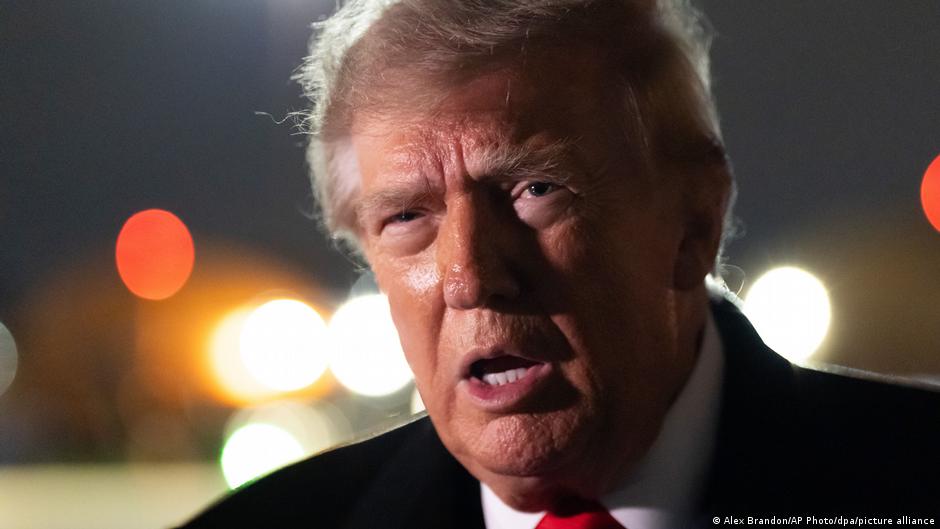
Trump postponed sweeping Russia tariffs to preserve Ukraine talks and limit Moscow’s support for Iran, leaving fuel prices, household costs and markets uncertain.

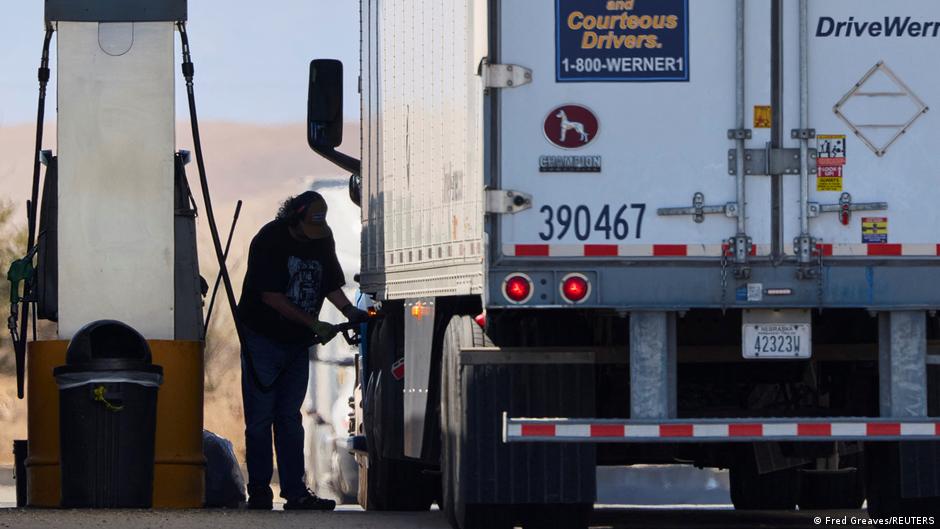
A bipartisan Senate group says Trump’s Russian diesel deal may not lower U.S. fuel costs while giving Moscow new war revenue.

Reported U.S. pressure on Ukraine over refinery strikes could affect fuel prices, inflation expectations, currencies and investor risk.

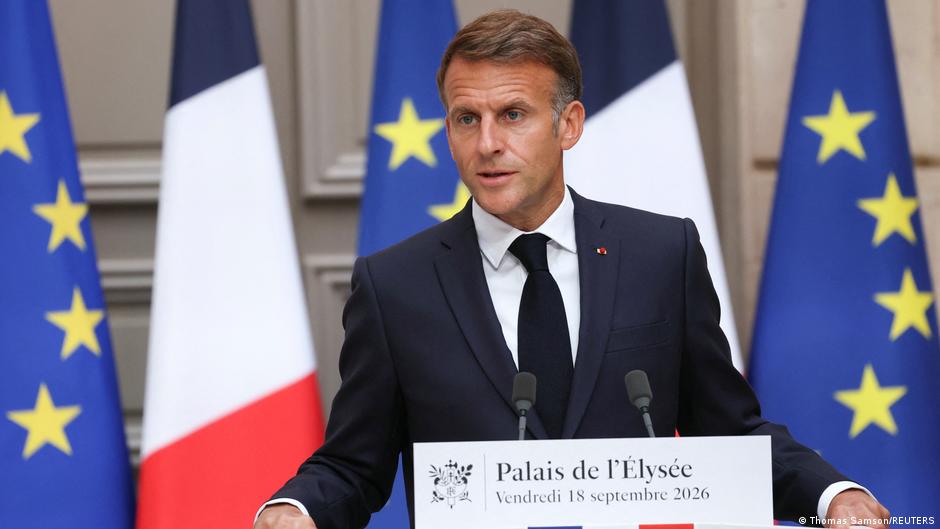
Macron says France sees a Russian mobilization of around 300,000 people as credible, raising risks for European budgets, markets and consumers.

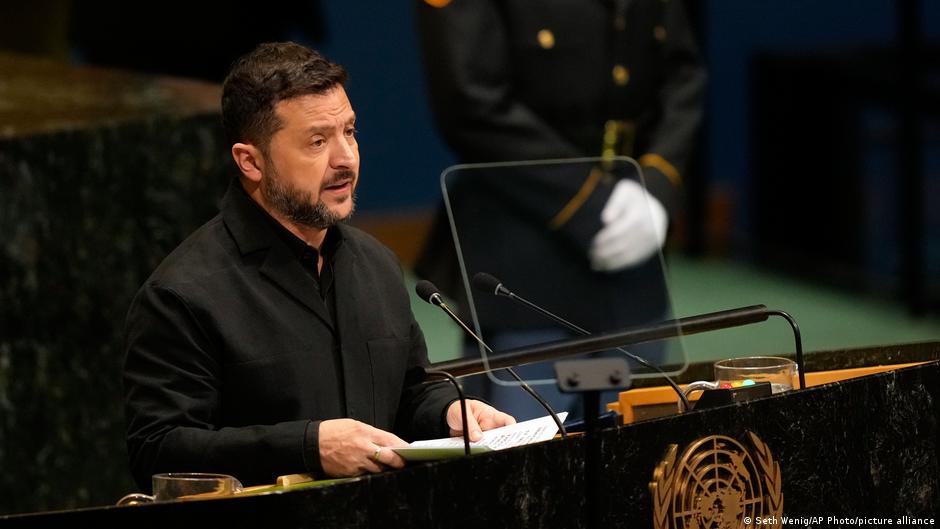
Zelensky’s UN speech tied Russia’s war capacity to energy risks, winter heating pressure and the market uncertainty facing households and investors.

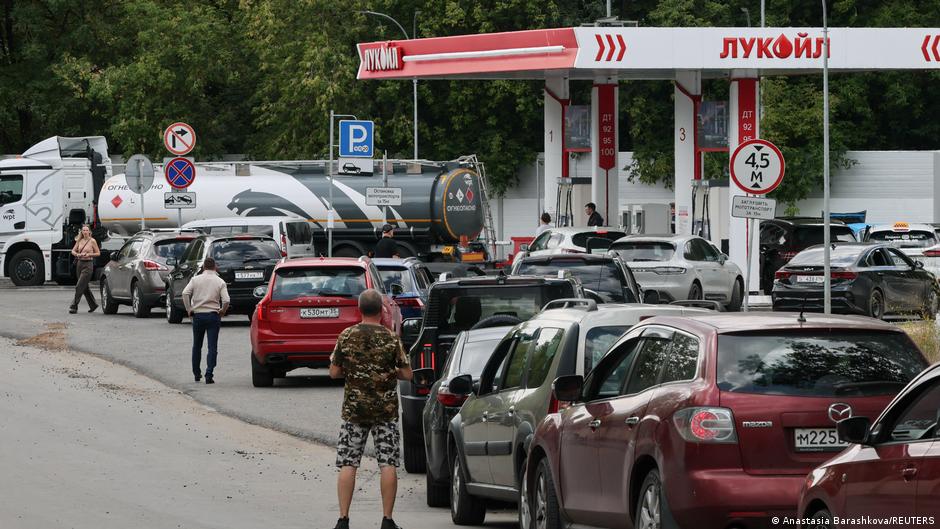
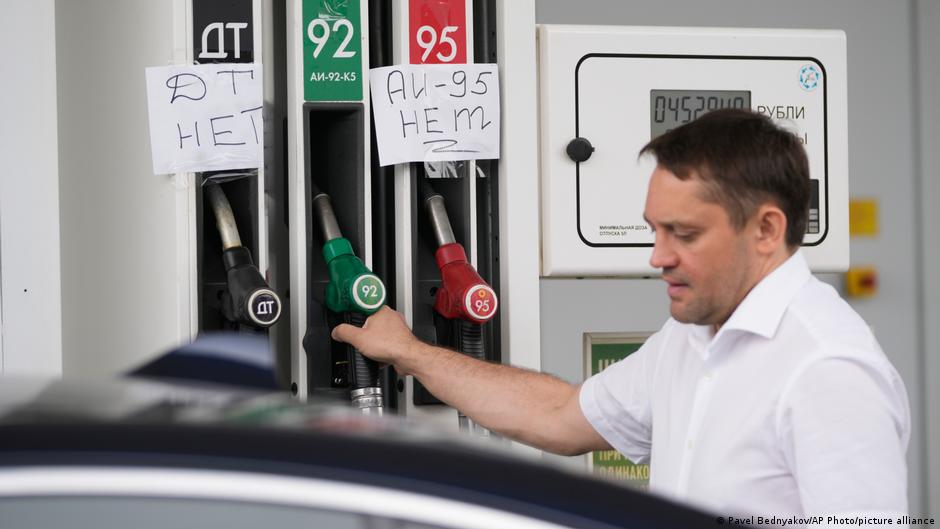
Kaluga and Zabaykalsky Krai are limiting gasoline sales again as refinery disruptions renew pressure on drivers and local budgets.

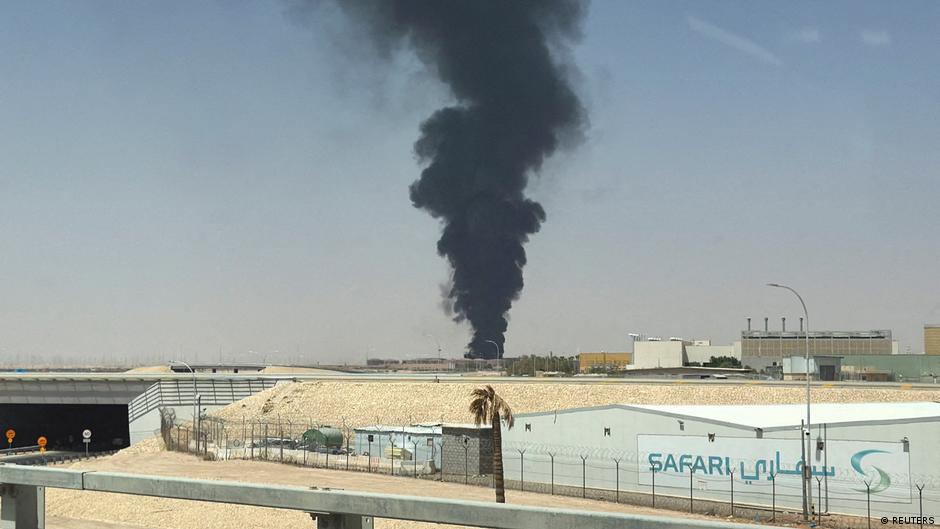
Saudi Arabia said it intercepted a Houthi missile aimed at Riyadh, adding pressure to oil routes that affect fuel prices and consumer costs.

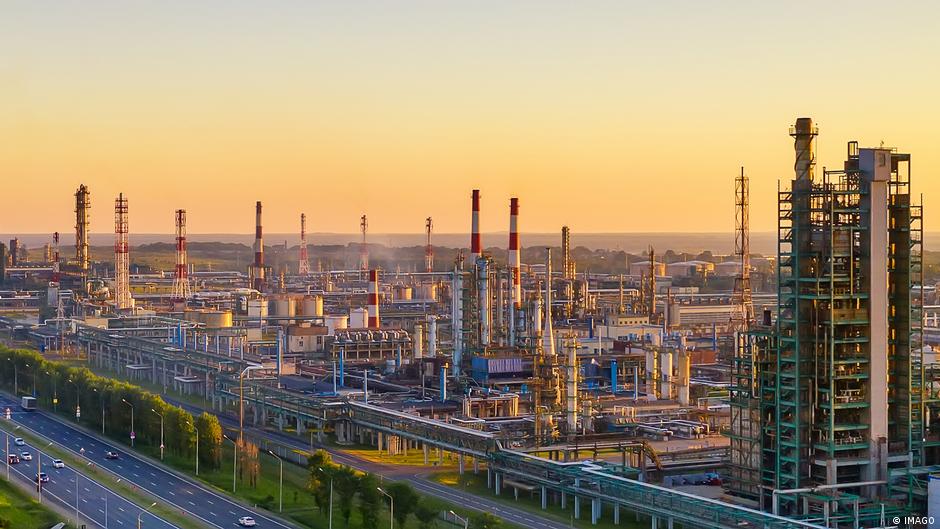
A major Yaroslavl refinery has halted fuel shipments after drone damage, worsening Russia’s fuel shortages and raising risks for household budgets.

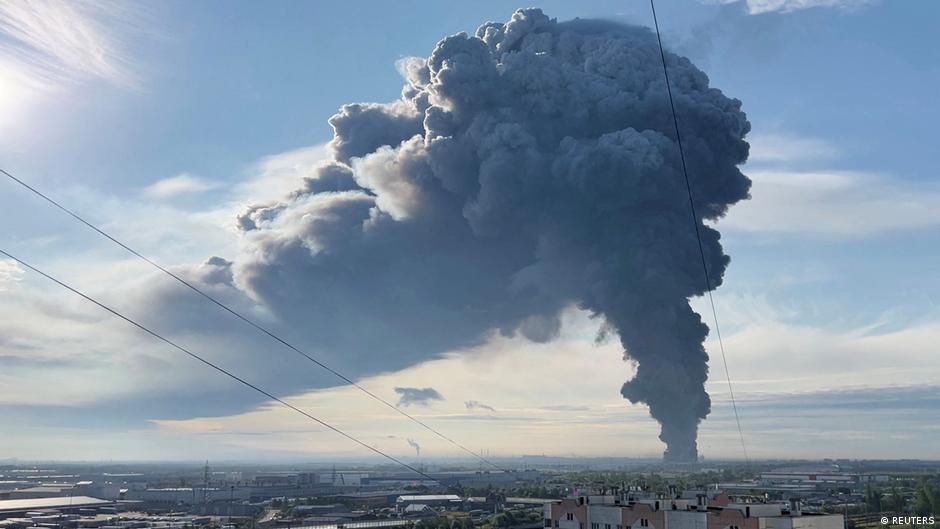
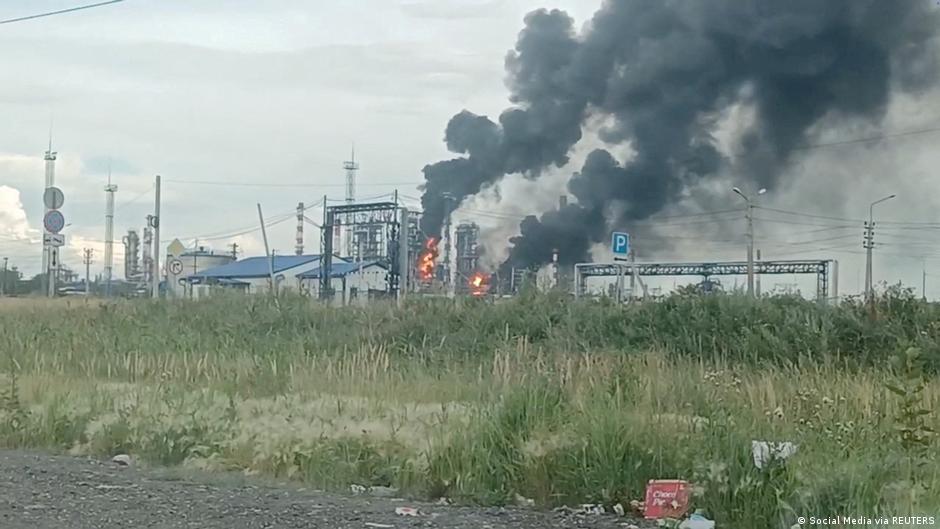
Strikes on a Russian refinery and warehouses raise questions for fuel costs, deliveries, inflation and investors tracking war risk.

Russia extends sale of Euro-2 to Euro-4 fuels until 2027 amid refinery disruptions, impacting fuel prices and vehicle compatibility for consumers.

Ukraine's 40-day operation against Russian energy infrastructure disrupts fuel supplies, raising global prices and impacting household budgets and investors worldwide.

Russia’s oil product production dropped nearly 22% in June, driving fuel price increases and straining household budgets and consumer spending.

Russia's updated fuel damping law aims to stabilize fuel prices, helping households manage costs amid market disruptions and supporting agricultural and import supply chains.

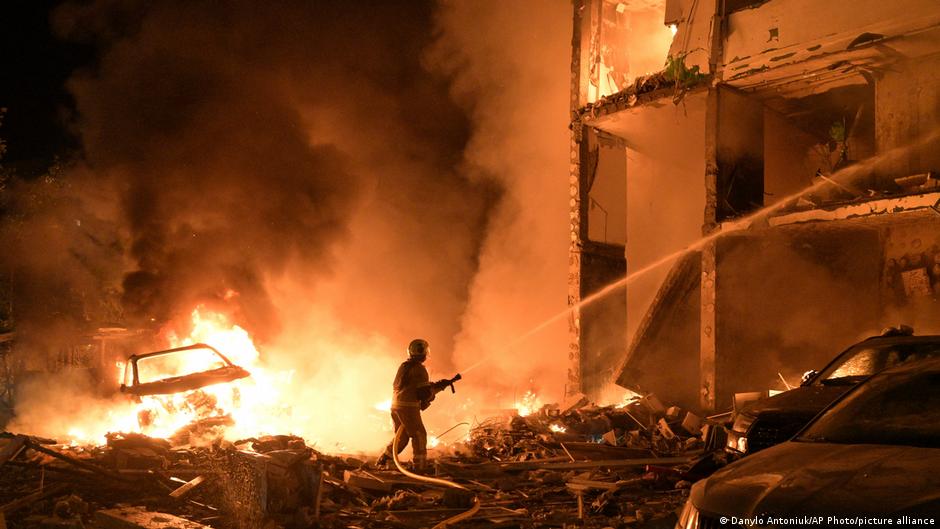
Missile attacks in Kyiv injure civilians and damage infrastructure, exacerbating fuel shortages and economic challenges that impact household budgets and regional markets.

The Saratov refinery’s shutdown amid drone attacks worsens Russia’s fuel scarcity, impacting millions of consumers and raising fuel prices nationwide.

Russia permits use of older Euro-3 gasoline and diesel fuels until 2026, impacting fuel quality, prices, and household budgets amid a worsening supply crisis.

Russia cut drone strikes on Ukraine by 29% in June, causing fuel shortages in Russia and potential price impacts for consumers and investors.

Russia's near quadruple rise in Belarusian aviation fuel imports reflects domestic production cuts, causing fuel shortages and price pressures impacting households and investors.

Russia’s record oil exports coincide with falling prices, affecting household fuel costs, savings, and investor outlooks amid shifting geopolitical tensions.

The US has imposed new sanctions on five Cuban state firms controlling 40% of GDP, impacting trade, investments, and household economies amid escalating tensions.

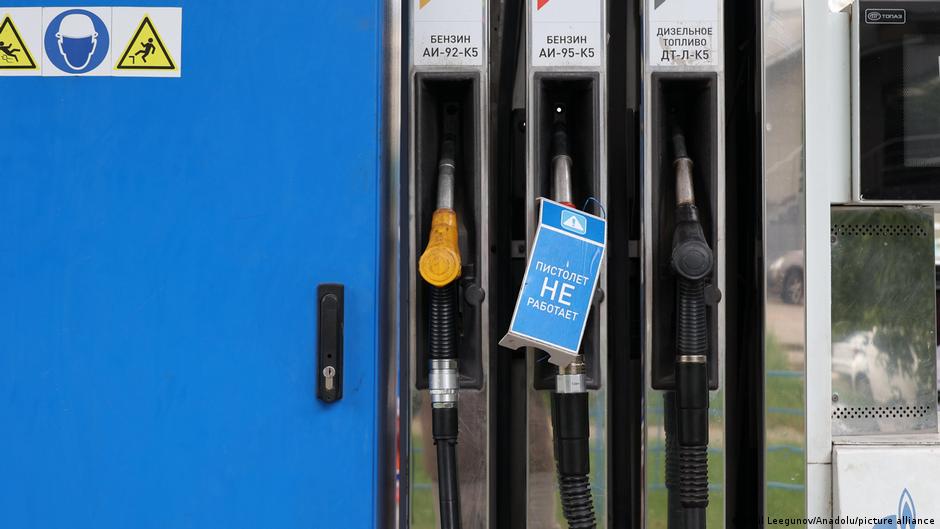
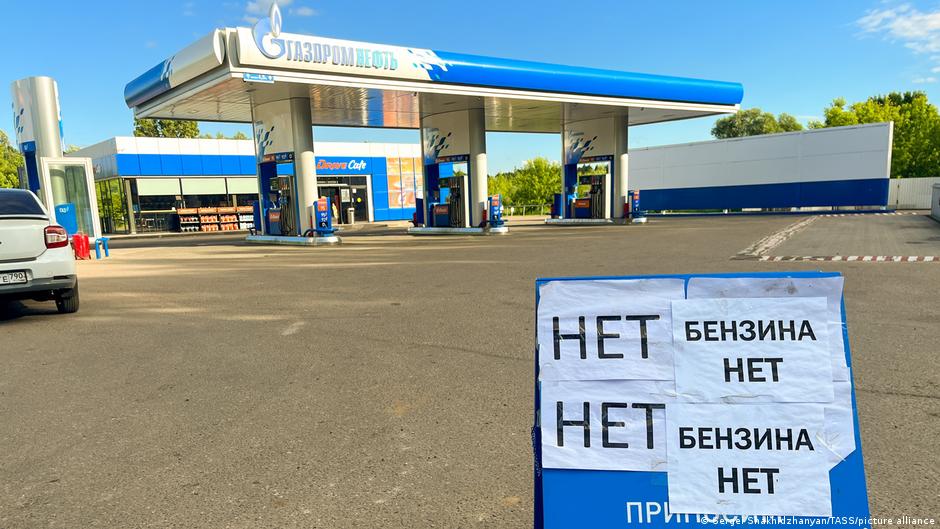
Russia imposes fuel sale limits in 53 regions amid refinery attacks, challenging household budgets and daily transportation for many consumers.

Germany urges Turkey to exclude Russian gas from future EU contracts, affecting energy prices, household budgets, and currency markets amid evolving geopolitics.

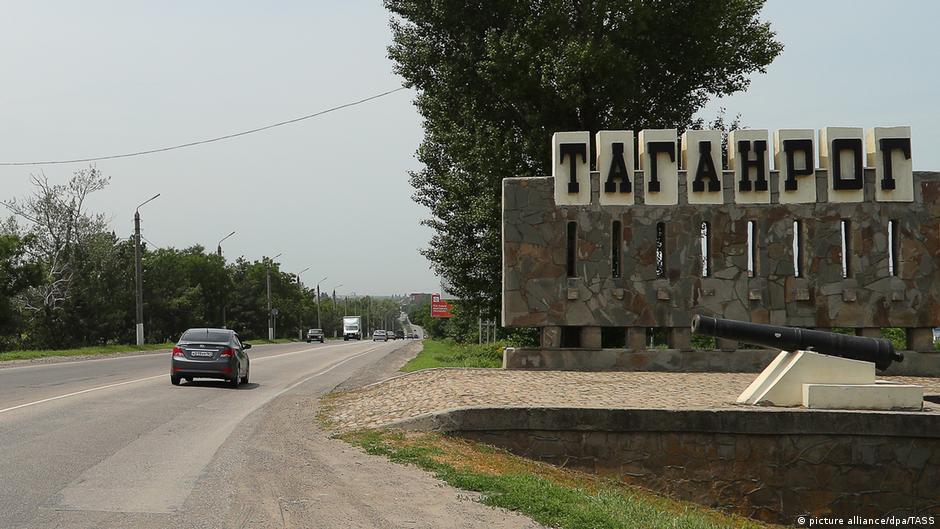
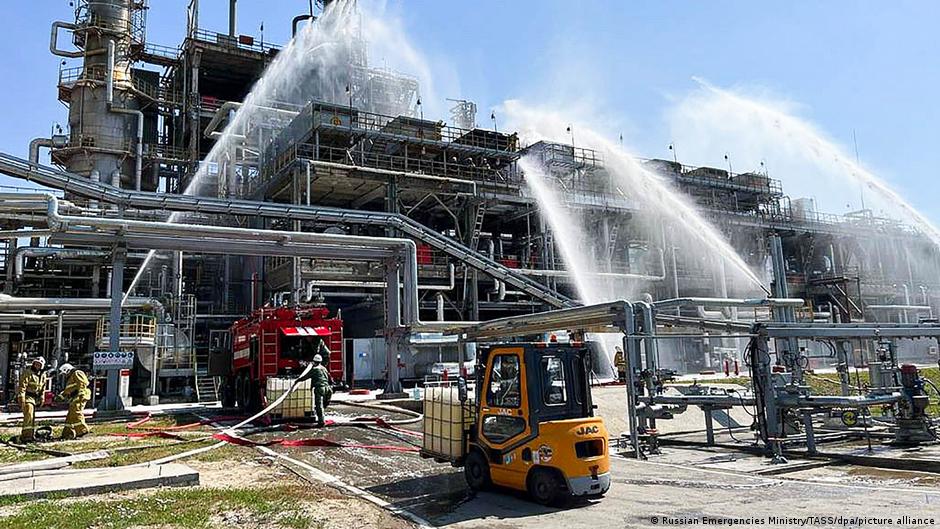
Drone strikes on oil facilities in Russia's Rostov and Saratov regions have sparked fires and damaged infrastructure, posing risks to fuel supply and household budgets.

Russia plans 1-2 month export restrictions on diesel and jet fuel to stabilize domestic supply amid refinery disruptions, affecting household budgets and energy prices.

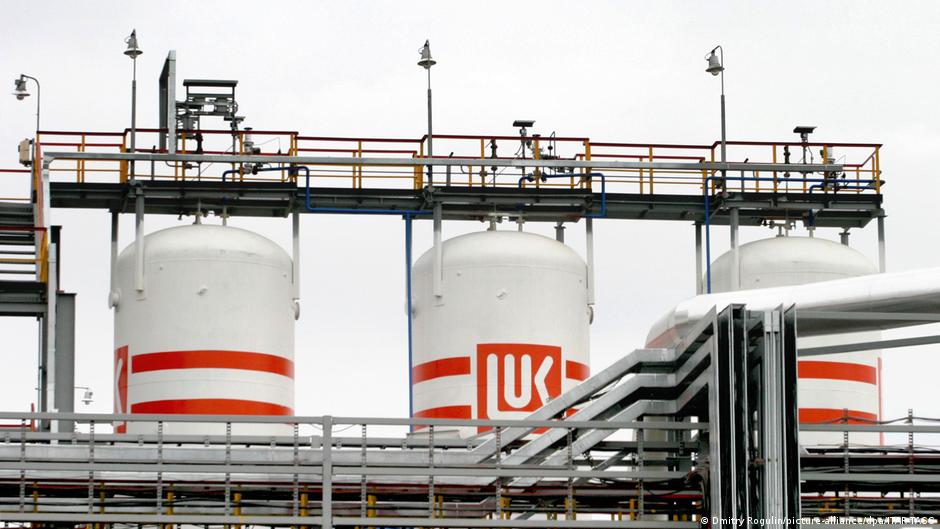
Drone strikes on Lukoil’s Nizhny Novgorod refinery have halved its output, reducing fuel supplies and potentially raising prices for Russian households and consumers.

Latvia’s defense minister resigned after drones violated airspace, raising concerns about regional security and potential impacts on household budgets and energy prices.