Russia Plans Temporary Export Restrictions on Diesel Fuel and Jet Kerosene Amid Supply Strains
Proposed 1-2 month export limits on key fuels aim to stabilize domestic market amid refinery disruptions impacting household energy costs.
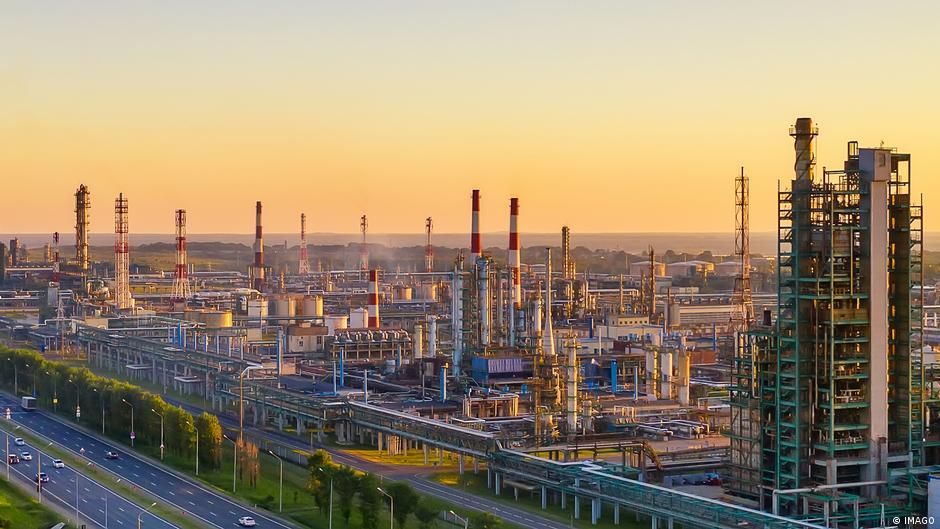
Russian authorities are considering imposing temporary restrictions on the export of diesel fuel and aviation kerosene to address challenges in the domestic fuel market. The proposed measures, expected to last one to two months, follow a series of disruptions in refinery operations and ongoing efforts to stabilize fuel supplies within Russia.
Impact of Export Limits on Households and Consumers
The move to limit diesel and jet fuel exports comes amid a complex energy supply situation. Since April 1, a complete ban on gasoline exports has been in place until July 31, while export curbs on diesel fuel have been intermittently applied since September 2023 to support domestic availability.
Diesel fuel is crucial for transportation and logistics sectors, directly influencing the cost of goods delivery and, consequently, retail prices. Aviation kerosene is vital for air travel, affecting ticket prices and airline operational costs. Restrictions on these fuels’ exports may improve domestic supply and help stabilize prices but could also disrupt related markets.
Households may see short-term relief in fuel prices, preserving household budgets and curbing inflationary pressures. For everyday investors and consumers, these measures could signal potential volatility in energy-related stocks and currency fluctuations, as Russia’s fuel export dynamics influence ruble valuation and trade balances.
"Continued monitoring and coordinated federal action are essential to manage the evolving fuel market situation," stated Russia's Deputy Prime Minister Alexander Novak.
The government’s approach reflects concerns over recent disruptions at major oil refineries, which have led to reduced fuel output.
Refinery Attacks and Their Consequences
According to industry sources, nearly all major refineries in central Russia have either halted or scaled back fuel production following drone attacks attributed to Ukrainian forces. The combined capacity of affected refineries exceeds 83 million tons annually, approximately one quarter of Russia’s total refining capacity.
Increased attacks on oil processing plants have escalated in recent years, with 33 incidents recorded in just the first five months of 2026—exceeding the previous year’s totals. Notably, the "Lukoil-Nizhny Novgorodnefteorgsintez" refinery, among Russia’s top five facilities, ceased over half its operations after a drone strike in May.
These disruptions have intensified supply pressures, justifying government intervention to regulate exports and prioritize domestic consumption.
Broader Economic Implications
The export restrictions and refinery output cuts underscore vulnerabilities in Russia's energy sector amid geopolitical tensions. For consumers, this means potential shifts in fuel availability and prices that affect heating, transportation, and consumer goods costs.
Moreover, everyday investors tracking Russian energy companies should prepare for increased operational risks and policy changes that may influence market performance. Currency markets may also react, as energy exports play a significant role in Russia’s foreign exchange earnings.
While export bans aim to protect the domestic economy, the balancing act between supporting internal markets and maintaining foreign revenue streams remains a key challenge for policymakers.
In summary, Russian authorities’ anticipated export curbs on diesel and aviation fuel represent a strategic response to refinery disruptions and supply challenges. Households and consumers can expect some stabilization in fuel prices, though the situation remains fluid and warrants close monitoring for potential economic ripple effects.