Fuel Sales Restrictions in Russia Strain Household Budgets Amid Industry Disruptions
Widespread fuel rationing in 53 Russian regions raises costs and complicates daily finances for consumers and small investors.
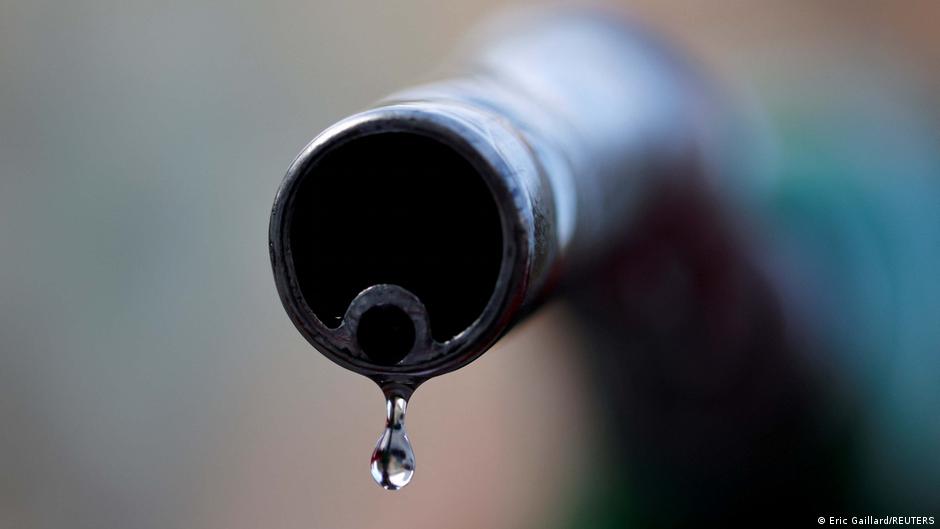
Russia is currently experiencing significant restrictions on retail fuel sales due to ongoing disruptions in its oil refining sector. These disruptions stem from recent Ukrainian drone strikes targeting Russian oil refineries and fuel depots, which have led to a slowdown in oil production and supply chain challenges nationwide.
Fuel Rationing and Regional Impact
Starting June 23, several Russian regions implemented limits on fuel purchases at gas stations to manage shortages and prevent speculative price hikes. For example, in Voronezh Oblast, retail fuel sales are capped at 30 liters of gasoline and 60 liters of diesel per transaction at gas stations, with higher limits on highways — 60 liters of gasoline and 200 liters of diesel. Similar restrictions have been introduced in other regions:
- Omsk Oblast limits gasoline sales to 40 liters and diesel to 80 liters per vehicle.
- Irkutsk authorities reported some gas stations have stopped servicing customers altogether due to supply constraints.
- Saratov region prohibits sales above 30 liters of gasoline per car from June 23 to June 30.
Other affected regions include Amur, Tambov, Lipetsk, Tula, Tver, and Vladimir oblasts.
"Due to the fuel crisis, authorities have been forced to 'switch to manual mode' in managing fuel distribution," said a regional official, emphasizing the extraordinary nature of the controls.
According to the publication The Bell, as of mid-June, about 53 regions and occupied territories are experiencing temporary fuel sale restrictions, reflecting the nationwide scope of the crisis.
Consequences for Households and Consumers
These fuel limitations have direct consequences for Russian households and everyday consumers. With capped fuel volumes, drivers face difficulties in refueling for daily commutes, travel, and essential errands. The risk of artificial scarcity and speculative price increases could further strain household budgets, especially for lower- and middle-income families who rely heavily on private vehicles.
Additionally, the erratic fuel supply may push consumers to seek alternative transportation methods or reduce discretionary travel, potentially affecting local economies dependent on mobility.
For those who hold savings in rubles or engage in small-scale investments linked to the energy sector, the ongoing instability in oil production and refining could influence currency stability and market confidence. Reduced oil output, which hit a yearly low in May following intensified drone attacks, undermines one of Russia’s key economic pillars.
Economists warn that persistent fuel shortages combined with geopolitical pressures might contribute to inflationary pressures, impacting the cost of goods and services beyond just fuel prices.
Consumers are advised to monitor local developments closely and consider fuel-efficient habits or alternative options where possible to mitigate the impact on their personal finances.