Lukoil Refinery Halves Output After Drone Attacks, Impacting Fuel Supply and Prices
Ukraine's drone strikes have forced Russia’s major Lukoil refinery to cut over half its capacity, affecting household fuel availability and prices.
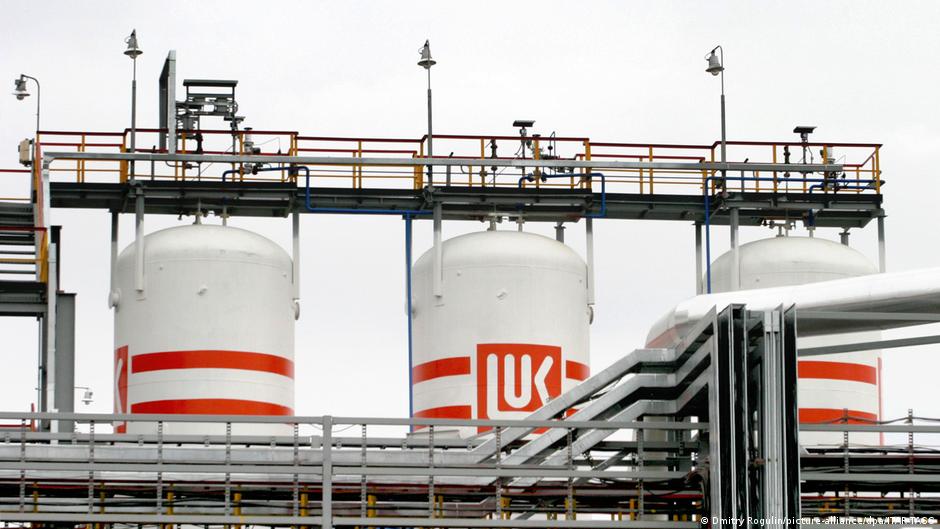
One of Russia's largest oil refineries, Lukoil's Nizhny Novgorod Refinery (NORSI), has reduced its oil processing capacity by more than half following drone strikes attributed to Ukrainian forces. The attacks occurred on the night of May 20, leading to the shutdown of the refinery's primary crude distillation unit.
Significant Production Cuts and Implications
The refinery, located in Kstovo, Nizhny Novgorod region, normally processes up to 16 million tons of oil annually, equivalent to around 320,000 barrels per day. The suspended unit, known as AVT-6, accounts for approximately 53% of the plant's capacity, translating to 25,700 tons per day.
This shutdown marks the second major disruption at the facility in recent months; a similar drone attack in early April forced temporary halts and damage repairs. Industry sources indicate that attacks on several key refineries in central Russia have led to widespread reductions in fuel production.
"Nearly a quarter of Russia's total refining capacity, including over 30% of gasoline and around 25% of diesel production, has been halted or reduced due to recent drone attacks," industry insiders revealed.
The cumulative capacity of all refineries affected exceeds 83 million tons per year, or roughly 238,000 tons daily, representing a significant share of Russia’s refining operations.
Impact on Consumers and Household Budgets
These disruptions have direct consequences for Russian consumers and everyday investors. Fuel shortages and reduced refinery output typically translate into higher gasoline and diesel prices at the pump, increasing transportation and heating costs for households. For families relying on personal vehicles or heating fuel, budget strain may intensify as prices rise.
Moreover, inflationary pressures from fuel price hikes can ripple across the economy, affecting the cost of goods and services. For investors holding stakes in energy companies or funds linked to Russian fuel markets, volatility may increase amid uncertainty over production stability.
The Ministry of Energy has not issued official comments on the attacks or production cuts, leaving market participants to gauge the evolving situation from industry reports and indirect signals.
As Russia contends with ongoing drone attacks targeting critical oil infrastructure, the sustainability of fuel supplies and price stability remains a growing concern for households and businesses alike.