Slovakia to Block EU Sanctions on Russia Over Oil Pipeline Dispute, Impacting Energy Costs
Slovakia will withhold support for EU's 20th sanctions package against Russia until oil supplies via the Druzhba pipeline through Ukraine resume.
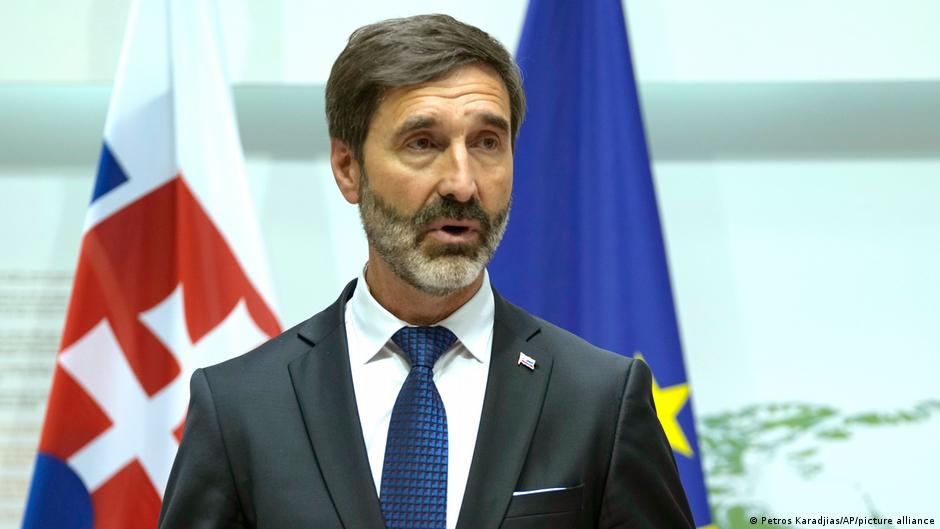
Slovakia has announced it will block the European Union's 20th sanctions package against Russia until it resumes receiving Russian oil through the Druzhba pipeline that runs via Ukraine. The move reflects growing concerns about energy security and its direct effect on household budgets and fuel prices in Slovakia and neighboring countries.
Energy Supply Disruptions Escalate Regional Tensions
The Slovak Foreign Minister, Juraj Blanár, declared this position on April 16, emphasizing Slovakia's reliance on the Druzhba pipeline for oil imports. The pipeline was damaged in late January, reportedly by a Russian drone strike on Ukrainian territory, halting oil deliveries to Slovakia and Hungary.
"If the Druzhba pipeline doesn't restart before the vote on the 20th sanctions package, we will not vote in favor," Blanár said, underscoring Slovakia's limited leverage to compel Ukraine and the European Commission to expedite reopening the pipeline.
The suspension of oil supplies has triggered a declared "state of emergency" in Slovakia's oil sector, increasing fuel costs and pressuring household finances. The disruption has also heightened inflationary pressures across the region, affecting transportation, heating, and industrial costs.
Political Standoff and Financial Implications for Households
Hungary's ruling party, Fidesz, led by Prime Minister Viktor Orbán, has similarly used its veto power to block EU sanctions packages, citing concerns about energy dependence and economic impacts. However, Hungary has pledged not to obstruct the EU's €90 billion loan program to Ukraine, although it will not participate financially.
Slovakia's pledge to block sanctions until oil flows resume places additional strain on EU unity amid the ongoing conflict in Ukraine. The dispute over the Druzhba pipeline highlights the delicate balance between supporting political sanctions and safeguarding domestic energy needs.
For consumers, these geopolitical maneuvers translate into uncertainty over fuel prices and availability. Higher oil prices driven by supply disruptions can erode disposable incomes, forcing households to cut spending or dip into savings. Inflationary ripple effects may also affect food prices and transportation costs.
Outlook and Potential Resolutions
Ukrainian President Volodymyr Zelensky announced on April 14 that repairs to the Druzhba pipeline could be completed by the end of the month, potentially restoring oil flows. Kyiv has accepted EU assistance for pipeline repairs, indicating progress toward resolving the crisis.
Should the pipeline reopen promptly, Slovakia may lift its block on the sanctions package, easing political tensions and stabilizing energy supplies. Until then, consumers in Slovakia and neighboring countries face ongoing volatility that may impact household budgets throughout the summer.