Drone Attacks in Chernihiv Disrupt Power for Thousands, Impacting Household Budgets and Local Economy
Massive drone strikes on Chernihiv's energy infrastructure have left around 6,000 residents without electricity, affecting daily expenses and local financial stability.
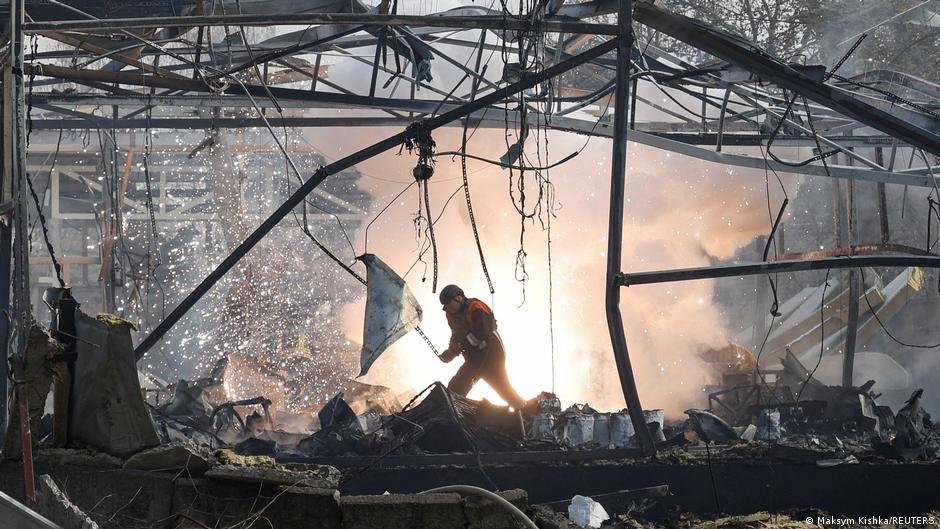
On the night of April 17, Russian forces launched a concentrated drone attack targeting critical infrastructure in Chernihiv, Ukraine. The assault caused significant fires and power outages, leaving approximately 6,000 households in the city without electricity. Energy providers have stressed that restoration efforts will commence only when security conditions permit.
Economic and Financial Consequences for Residents
Repeated attacks on Chernihiv’s energy infrastructure have not only disrupted daily life but have also placed increasing financial strain on households. The loss of power affects heating, cooking, refrigeration, and communication systems—basic utilities that households depend on for well-being and safety.
"Damage to critical infrastructure directly translates into higher costs for families, as they often need to rely on alternative energy sources or thermal appliances, increasing their utility bills and expenses," noted energy analysts monitoring the situation.
In addition to increased household expenses, power outages impact small businesses and industries, potentially leading to reduced income and job insecurity for local workers. The region’s residents face the challenge of balancing limited resources amid ongoing instability.
Such disruptions often result in higher demand for backup energy solutions like generators or battery-powered devices, which may be costly to purchase and maintain. Moreover, food spoilage due to refrigeration failures can add to household losses, further squeezing budgets.
Broader Impacts on Savings, Currency, and Markets
Energy instability in Chernihiv and surrounding areas can influence the local currency and investment climate. Persistent infrastructure attacks create uncertainty, deterring potential investors and slowing economic recovery. As businesses suffer operational setbacks, the overall economic output may decline, affecting regional GDP and employment rates.
For everyday investors and consumers, these developments underscore the importance of financial preparedness, including emergency savings and diversified asset holdings that can buffer against regional shocks. Additionally, fluctuations in the Ukrainian hryvnia may arise as confidence in affected areas wavers, impacting purchasing power and inflation trends.
The damage follows a series of similar attacks over recent months. Notably, on April 6, a strike left approximately 340,000 customers in Chernihiv and Priluki without power. On March 21, the city experienced a complete blackout, forcing key services to switch to alternative energy sources. Such disruptions have repeatedly hindered transportation services, with rail delays reported due to power shortages.
These ongoing challenges highlight the critical need for resilient infrastructure and contingency planning to protect both the economy and individual households from the financial fallout of energy supply disruptions.