UK Plans to Join EU Loan Program for Ukraine, Impacting Household Economies and Markets
Britain aims to expand financial support for Ukraine through EU credit, influencing consumer markets and currencies amid global economic shifts.
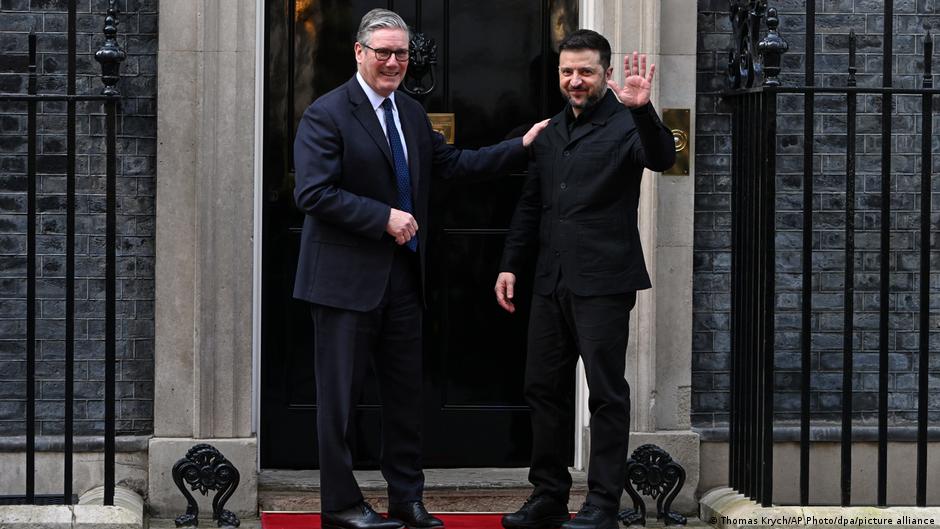
The United Kingdom has announced its intention to join the European Union's €90 billion loan program for Ukraine, a move that could have significant ripple effects on household budgets, consumer markets, and currencies. This announcement is expected to be made at the European Political Community summit in Yerevan on May 4.
Implications for Household Budgets and Consumer Markets
By participating in the EU's financial support package for Ukraine, the UK is committing to a substantial financial obligation that will shape government spending priorities. As public funds are redirected toward supporting Ukraine's military and economic needs, domestic budget allocations may experience shifts, potentially influencing taxation levels or public services.
"In unstable times, we need to move forward faster on defense to ensure people's security," said UK Prime Minister Keir Starmer, emphasizing the shared benefits of UK-EU collaboration.
Consumers might feel indirect effects through currency fluctuations and inflationary pressures. The introduction of new financial sanctions against Russian companies, also announced alongside the loan participation, could disrupt global supply chains, affecting prices of certain imported goods. Additionally, increased government spending on defense and foreign aid often translates into shifts in economic policies that impact household disposable income and savings.
Currency and Investment Considerations
The UK's move to join the EU loan program is likely to influence the British pound and euro exchange rates, as investors react to increased financial commitments and geopolitical developments. Enhanced support to Ukraine aims to stabilize the region but may introduce short-term volatility in currency markets.
For everyday investors, the expansion of British involvement opens opportunities in sectors linked to defense manufacturing and military supply chains. UK defense companies could gain access to lucrative contracts supplying equipment to Ukraine, potentially boosting stock valuations in this sector.
However, investors should remain cautious of the broader economic uncertainties that accompany geopolitical tensions and sanctions, which might affect global markets and investment returns.
Broader Economic Context
Having imposed extensive sanctions on Russia since the conflict began in 2022, the UK government plans to announce a new set of stringent sanctions aimed at disrupting military supply chains. These measures, alongside the loan program participation, highlight the UK's strategic economic positioning in response to the ongoing conflict.
While supporting Ukraine aligns with broader security goals, these steps come with economic trade-offs that may affect inflation, currency strength, and ultimately, household finances. Consumers and investors alike should monitor developments closely to navigate potential impacts on cost of living and portfolio performance.