EU-Mexico Trade Deal Set to Impact Household Budgets and Consumer Prices
New agreement removes most tariffs and bureaucratic barriers, affecting prices and investments for everyday consumers and investors.
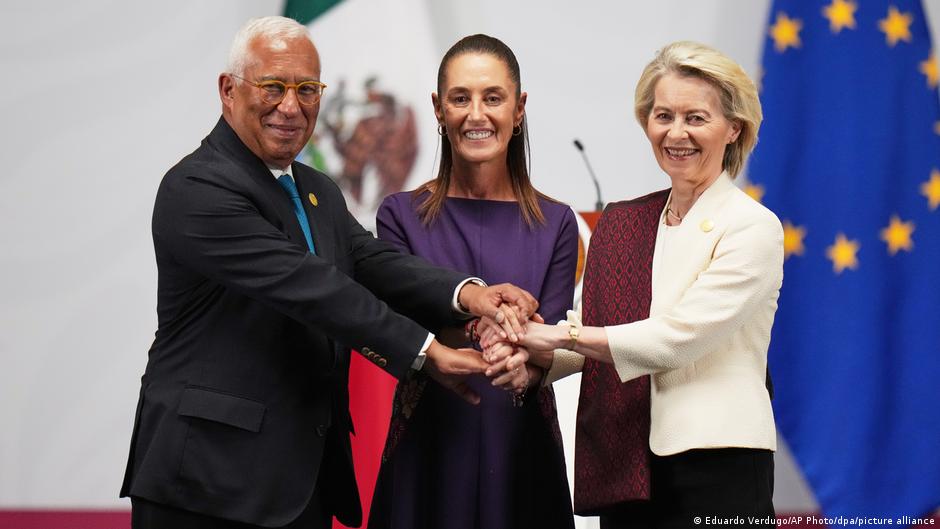
After a decade of negotiations, the European Union and Mexico have signed a comprehensive trade agreement aimed at boosting economic ties and facilitating trade flows between the two regions. This deal is expected to have tangible effects on household budgets, consumer prices, and investment opportunities on both sides of the Atlantic.
What the Agreement Means for Consumers and Investors
Under the new agreement, Mexico will eliminate nearly all existing tariffs on imports from the EU, while the EU will grant Mexico similar access, easing the movement of goods such as poultry, asparagus, cheese, and pork. This tariff removal is projected to increase Mexico’s exports to the EU by about 50% by 2030, reaching an estimated €31 billion annually.
For consumers, tariff elimination generally leads to lower import costs, which can translate into more affordable prices for everyday goods. Mexican consumers may see reduced prices on European dairy products and pork, while European consumers could benefit from more competitively priced Mexican poultry and fresh produce. However, some products will still be subject to quotas, which could moderate the price impact.
"Our partnership is more important than ever given the current geopolitical landscape," said the EU Council President during the signing ceremony in Mexico City.
Beyond tariffs, the deal also removes bureaucratic hurdles in trade, simplifying customs procedures and improving access to government procurement contracts. This can reduce delays and costs associated with importing and exporting goods, which can indirectly benefit consumers by lowering the operational costs for businesses.
In addition to trade liberalization, the EU plans to invest €5 billion in Mexican infrastructure projects, aiming to improve supply chains and economic resilience. For everyday investors, this could open new opportunities in sectors linked to infrastructure development and cross-border trade.
Broader Economic and Financial Implications
The agreement comes at a time when global trade relations are shifting due to geopolitical tensions and protectionist policies. By diversifying their trade partnerships, both the EU and Mexico seek to strengthen economic stability and reduce dependency on any single market.
From a currency perspective, stronger trade ties often enhance foreign exchange stability. Increased trade volumes can boost demand for each other’s currencies, which may help stabilize exchange rates and reduce volatility. This can be beneficial for households and businesses engaged in cross-border transactions or holding foreign currency-denominated assets.
For household budgets, cheaper imports and improved market access could contribute to a modest easing of inflationary pressures, particularly in food and consumer goods sectors. This can help improve purchasing power, especially in middle-income households that are sensitive to price changes in staple products like meat and dairy.
On the investment front, the deal’s provisions on climate change, human rights, and international cooperation signal a growing emphasis on sustainable and ethical business practices. Investors focused on environmental, social, and governance (ESG) criteria may find new avenues aligned with these priorities.
Ultimately, the EU-Mexico trade agreement reflects a strategic effort to deepen economic integration while adapting to contemporary geopolitical and economic challenges. For everyday consumers and investors, the deal promises greater market access, potentially better prices, and new investment opportunities as these two economies become more interconnected.