US Strikes on Iran Raise Oil Price Risks, Impacting Household Budgets and Savings
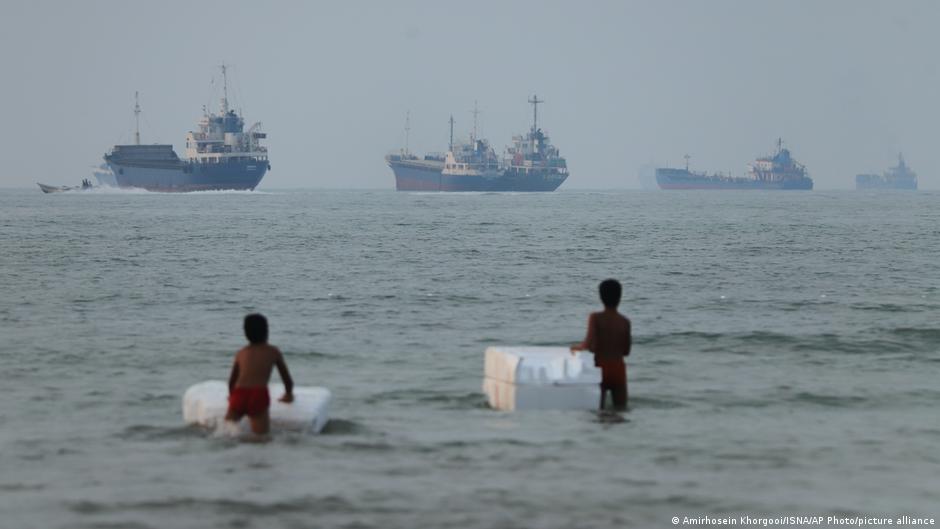
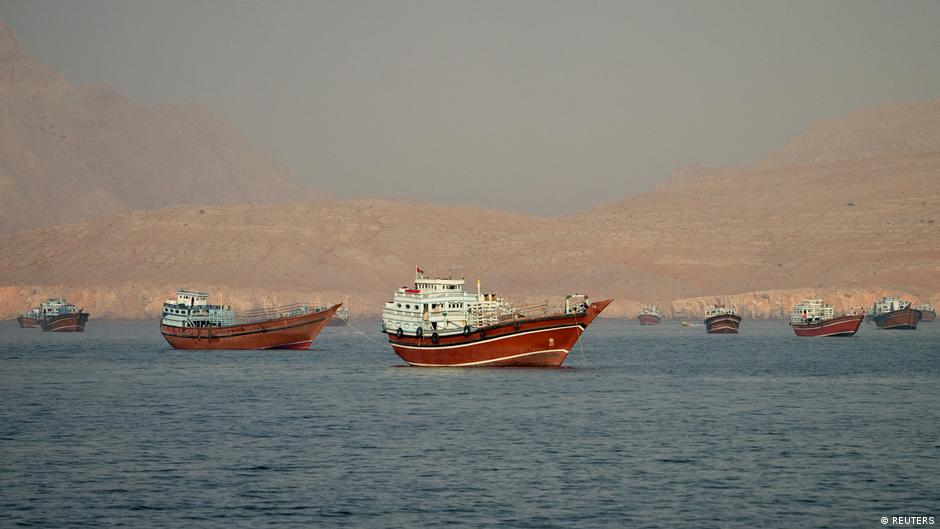
US strikes on Iran near the Strait of Hormuz raise the risk of higher oil prices, impacting household budgets, savings, and currency stability worldwide.

US strikes on Iran near the Strait of Hormuz raise the risk of higher oil prices, impacting household budgets, savings, and currency stability worldwide.

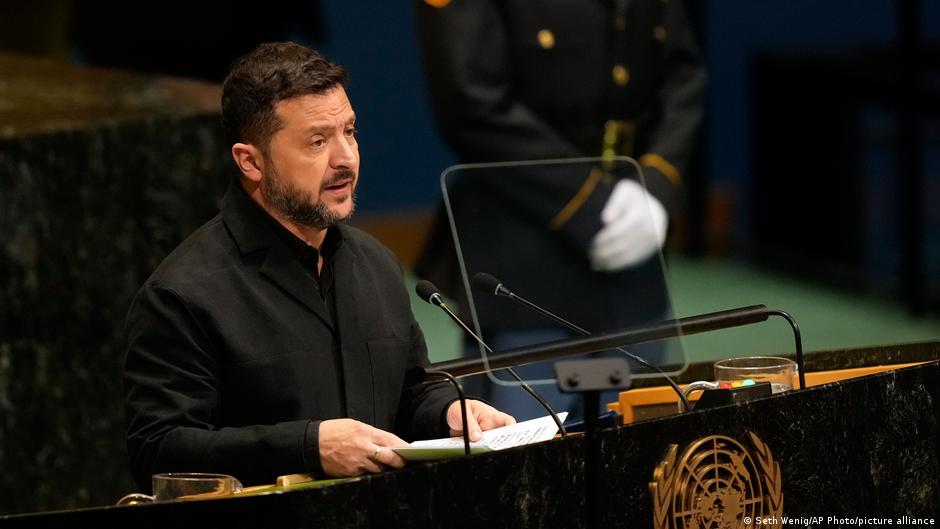
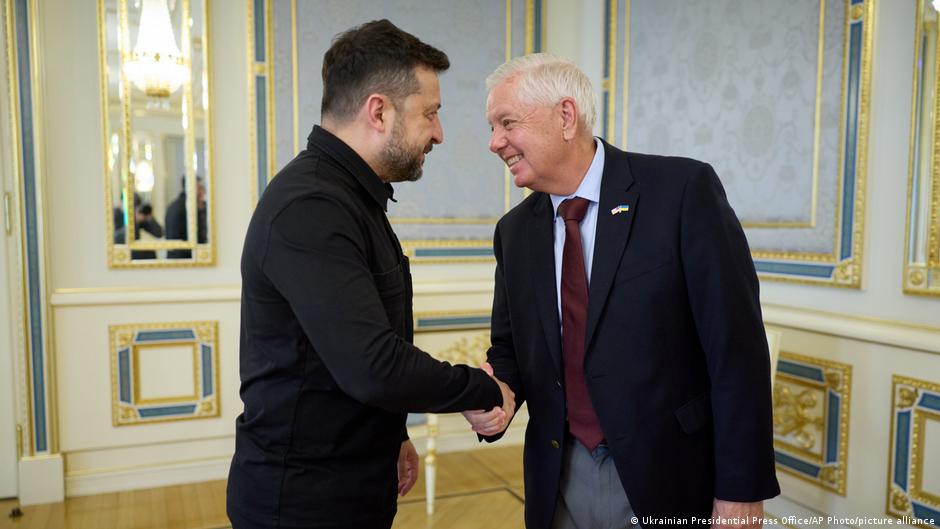
President Zelensky's positive talks with US envoys highlight ongoing efforts to end the Ukraine war, affecting household budgets and financial markets worldwide.

Ukraine demands a ban on Russian military participation in UN missions over sexual violence allegations, escalating geopolitical tensions with economic implications for households and investors.
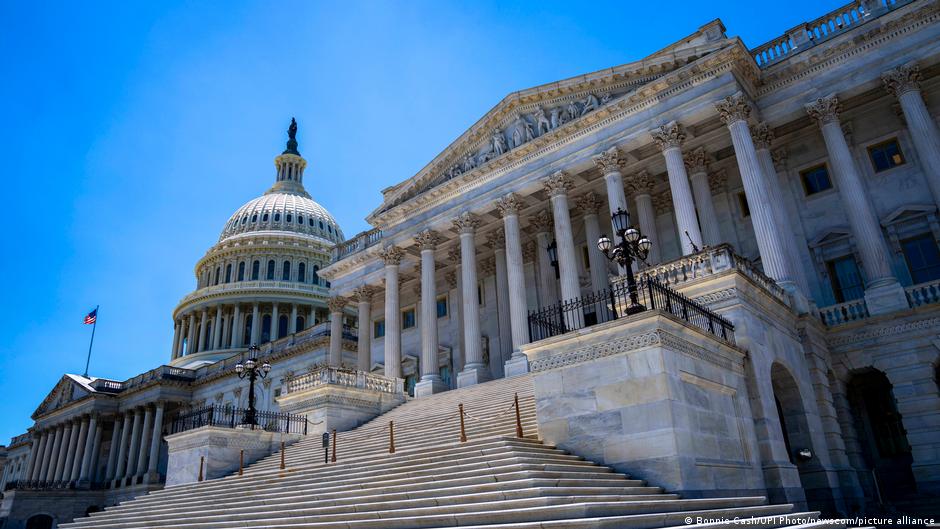
The Israel-Iran conflict is affecting global markets, household budgets, and investments by driving volatility in currencies and energy costs, impacting consumers worldwide.
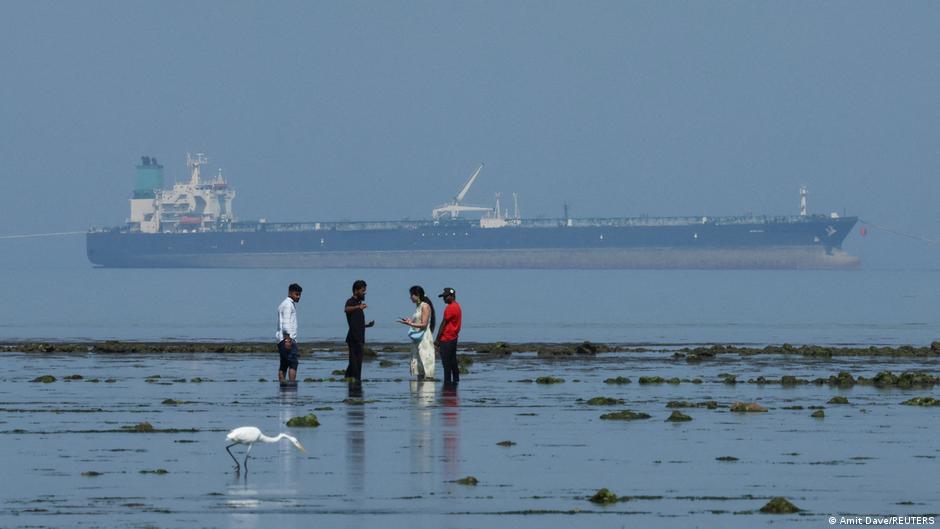
A US-mediated ceasefire between Israel and Lebanon aims to reduce conflict-driven economic strain on households, currencies, and investors in the region.

Escalating conflict in the Middle East threatens currency stability and market confidence, affecting household budgets and everyday investors worldwide.

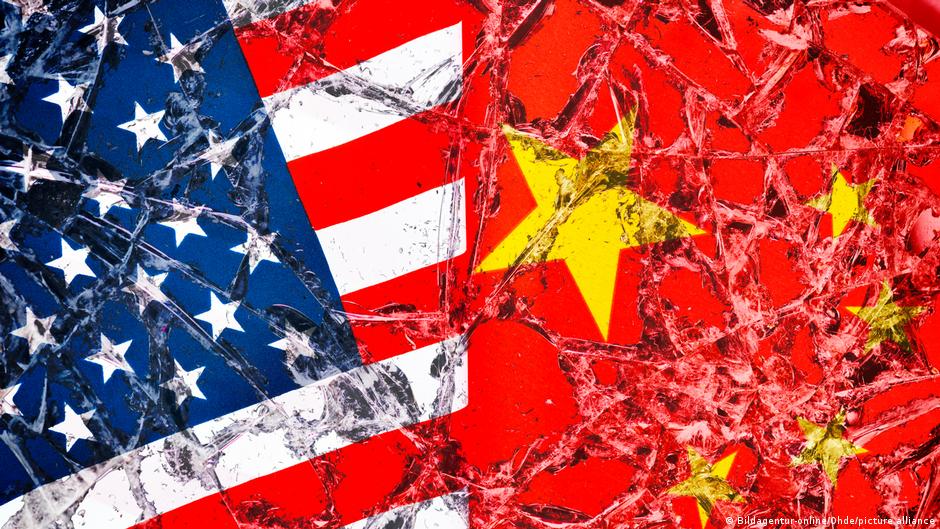
The UN faces a financial crisis as major donors like the US and China delay payments, forcing cuts to vital programs and raising concerns for global aid and economic stability.

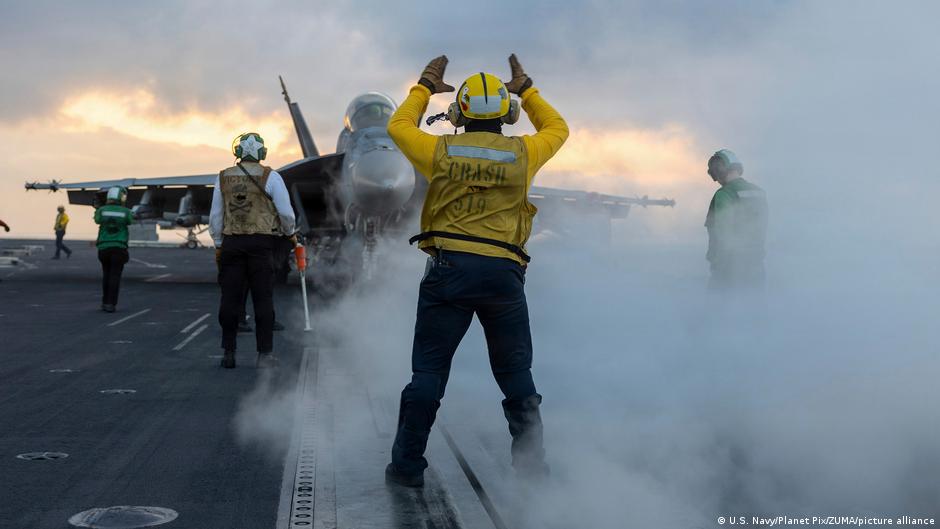
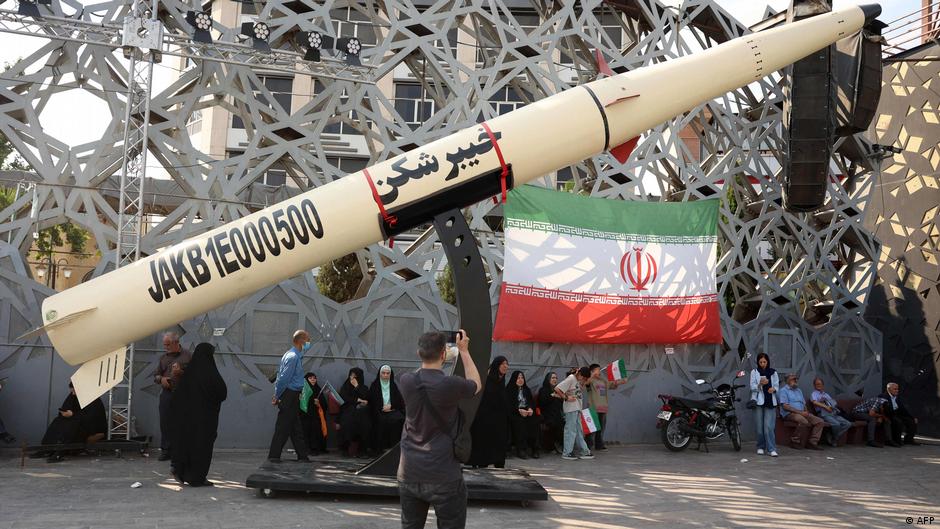
US military strikes on Iran escalate geopolitical tensions, risking volatility in markets and currencies that affect household budgets, savings, and consumer costs globally.

Millions of Russians face growing financial hardship as the Kremlin dismisses anti-war calls, deepening economic uncertainty affecting household budgets and savings.

Trump’s call to destroy Iran’s enriched uranium raises geopolitical risks that could affect currencies, inflation, and household budgets worldwide.

UN peacekeeping forces have dropped to their lowest in 25 years due to funding and geopolitical issues, affecting global stability and economic conditions.

European leaders and Ukraine's Zelensky renew peace talks as the war's economic toll grows, affecting household budgets, savings, currencies, and everyday investors.

US postpones planned strike on Iran after Gulf leaders’ intervention, easing pressure on global energy prices and currencies, with implications for household budgets and investors.

EU foreign policy chief warns Russia, China, and the US seek to weaken the bloc, risking economic stability that affects household budgets, savings, and investments.

Palm Beach International Airport in Florida will be renamed after President Trump, changing its code to DJT and impacting local tourism, businesses, and currency collectors.

China's renewed interest in purchasing U.S. oil and soybeans could influence commodity prices and impact American household budgets and markets.

Serbia hosts first joint NATO military exercises amid neutrality policy, with potential but limited impact on household finances and economic stability.

Germany is considering President Steinmeier to represent the EU in potential peace talks with Russia, a move that could influence European markets, currencies, and household finances amid the Ukraine conflict.

Putin names former German Chancellor Schröder as preferred EU negotiator in Ukraine talks, potentially impacting energy prices, currencies, and household budgets across Europe.

Violent clashes in DR Congo’s Ituri province have killed 69 people, disrupting local economies, threatening household savings, and increasing currency and investment risks.

EU leaders prepare for potential talks with Russia, a move that could ease inflation and currency volatility affecting European households and investors.

Despite a proposed ceasefire, Russian attacks continue across Ukraine, intensifying economic uncertainty that affects household budgets, savings, and currency stability.

Iran's proposed 14-point peace plan could influence global oil prices and market volatility, with direct effects on household budgets, savings, and everyday investors worldwide.

Italy and Germany express concern as Israel halts Gaza aid flotilla, highlighting potential impacts on household budgets, currency markets, and consumer costs worldwide.

Israel's naval blockade halts humanitarian aid to Gaza, deepening economic pressures on household budgets, currency stability, and consumer markets in the region.

The US issues special passports featuring President Trump for the 250th independence anniversary, affecting personal documents, currency, and collectors.

The resignation of the US acting envoy in Ukraine amid diplomatic tensions raises risks of aid disruption, impacting currencies, inflation, and investment stability for households and investors.

US halts envoy travel to Pakistan for Iran talks, shifting to phone diplomacy amid strategic confidence, impacting energy markets and household budgets.

The extension of the Lebanon-Israel ceasefire could help stabilize regional currencies and ease financial pressures on households, affecting consumer confidence and investments.

Turkey is pushing to restart Russia-Ukraine peace talks, a move that could ease inflation and market volatility impacting household budgets and investors globally.

Trump rejects NATO assistance in Strait of Hormuz amid rising tensions, risking higher energy prices and market volatility affecting consumers and investors.

Pope Leo XIV condemns exploitation and war, urging peace that affects global economies, household budgets, and everyday investors amid rising geopolitical tensions.

Germany has approved arms exports to Israel amid conflict, impacting currency stability, consumer prices, and investor portfolios across global markets.

The Trump administration wants GM, Ford and other manufacturers to help produce weapons, echoing WWII-era industrial mobilization.