UN Faces Financial Crisis as US and China Delay Payments Impacting Global Budgets
The UN’s budget shortfall threatens vital programs amid delayed contributions from major donors, affecting global humanitarian efforts and operational capacity.
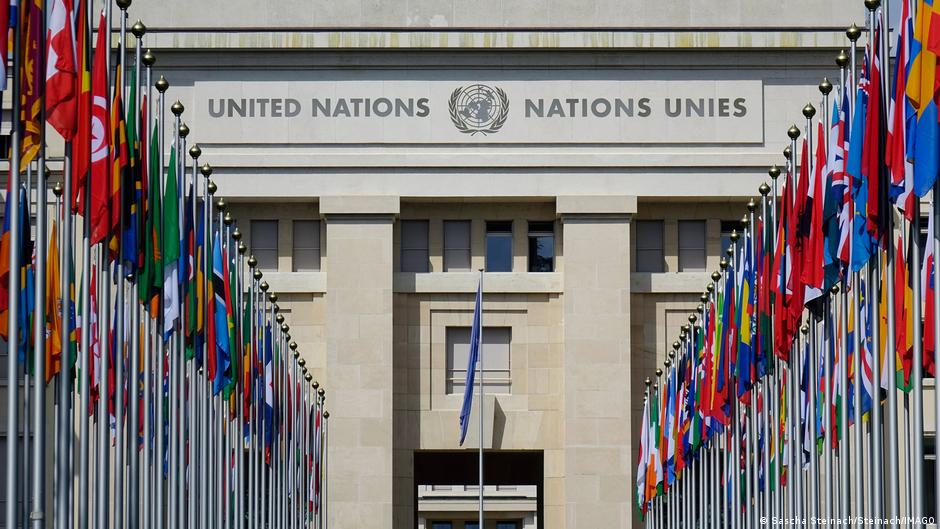
The United Nations is on the brink of a financial crisis due to delayed payments from the United States and China, which together account for 42% of the organization's budget. This funding shortfall is raising serious concerns about the UN's ability to maintain its operations and support global humanitarian programs.
Impact of Delayed Payments on UN Operations and Global Aid
According to recent reports, the United States owes the UN over $4 billion in outstanding contributions. China, despite making a payment of nearly $850 million during Foreign Minister Wang Yi's visit to the UN headquarters in New York at the end of May, still owes approximately $455 million. China has stated it remains "effectively the main financial sponsor" and intends to fulfill its obligations.
The US government has linked its future financial support to cost-cutting measures within the UN, demanding reductions in staffing, limiting business-class flights, and increased use of machine translation to lower expenses.
Other major donors are also scaling back their financial support. The UK and Germany have reduced funding for humanitarian programs tackling hunger and disease to prioritize economic savings. Similarly, Sweden and the Netherlands have decreased contributions, which analysts attribute to rightward political shifts in those countries.
"The UN is caught in a race to bankruptcy," UN Secretary-General António Guterres warned as early as October 2023, highlighting the "very real prospect of financial collapse."
Projections suggest that the UN's funds could be exhausted by mid-August, intensifying the urgency around organizational leadership decisions, including appointing Guterres’ successor by the end of 2026.
In response to the financial strain, the UN has undertaken extensive cost-saving actions. These include closing some offices, cutting a record 3,000 Secretariat positions, reducing working hours for translators, disabling escalators in offices, and postponing renovations at the New York headquarters.
Operational changes also extend to peacekeeping efforts: troop withdrawals from conflict zones in Africa are being expedited, and spending on peacekeeping missions is sharply reduced. Payments to less wealthy troop-contributing countries such as Nepal and Bangladesh have also been deferred.
Notably, the UN cannot take out loans, and its leadership has limited authority to restructure or lay off staff, despite personnel salaries constituting 70% of its expenses. For instance, an attempted $700,000 saving by closing a secured entrance to headquarters was reversed after diplomats objected, reopening the entry point within two days.
Personal Finance and Global Economic Implications
These developments have significant implications for household budgets and individual investors worldwide. The UN’s funding crisis disrupts global humanitarian aid, which can exacerbate economic instability in vulnerable regions, potentially impacting global commodity prices and migration patterns.
For everyday consumers and investors, the reduction in international aid programs may increase geopolitical risks, affecting currency markets and investment portfolios sensitive to global stability. Furthermore, countries tightening their budgets could lead to diminished foreign aid, influencing global economic growth prospects.
As governments prioritize domestic spending, the ripple effects may also influence exchange rates and inflation, indirectly impacting household savings and purchasing power. Investors should watch how this financial uncertainty within the UN might signal broader geopolitical tensions and economic adjustments.