Germany Presses Ukraine to Factor Berlin’s Industry Into Aid Spending
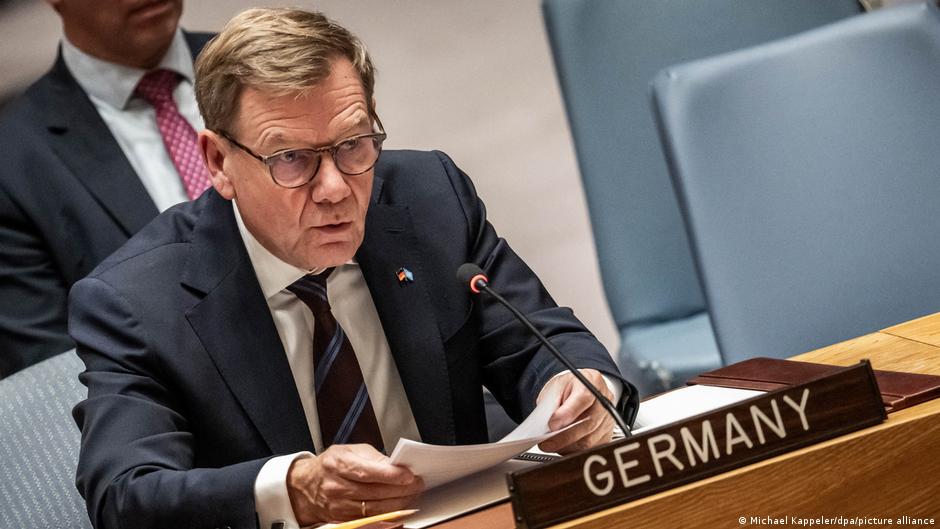
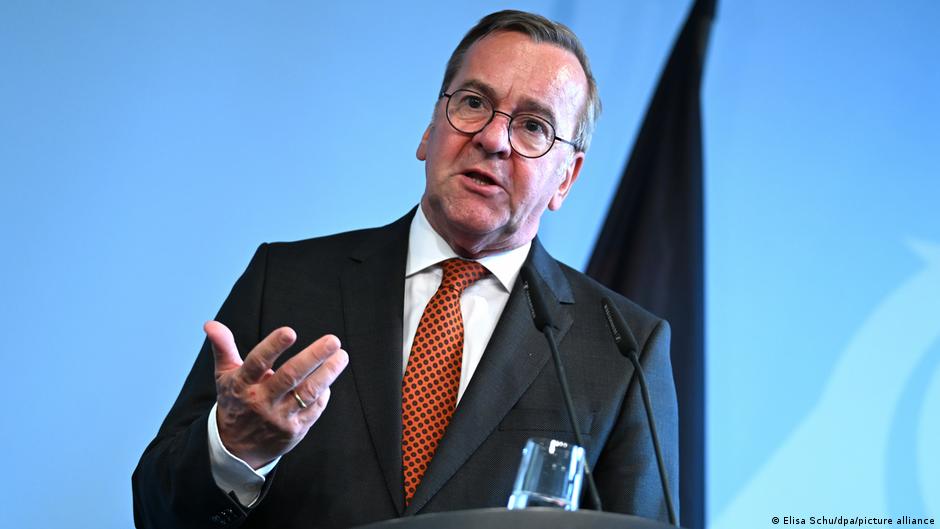
Germany’s foreign minister says aid to Ukraine should also benefit German defense firms, citing the need to justify spending to taxpayers.

Germany’s foreign minister says aid to Ukraine should also benefit German defense firms, citing the need to justify spending to taxpayers.

Germany’s planned anti-sabotage shield could add new cost pressures across transport, energy, cybersecurity and household budgets.

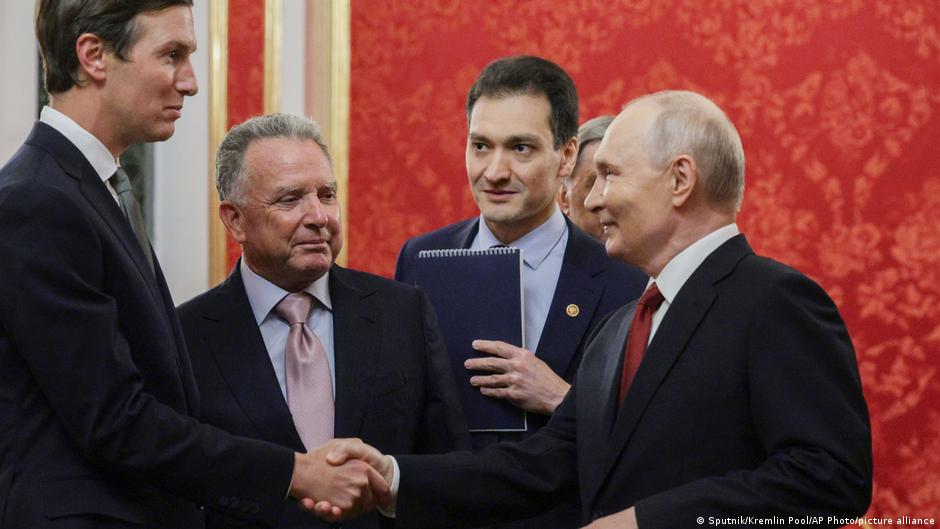
U.S. envoys discussed Ukraine peace plans with Putin before Kyiv talks, a development that could affect household costs, currencies and investors.

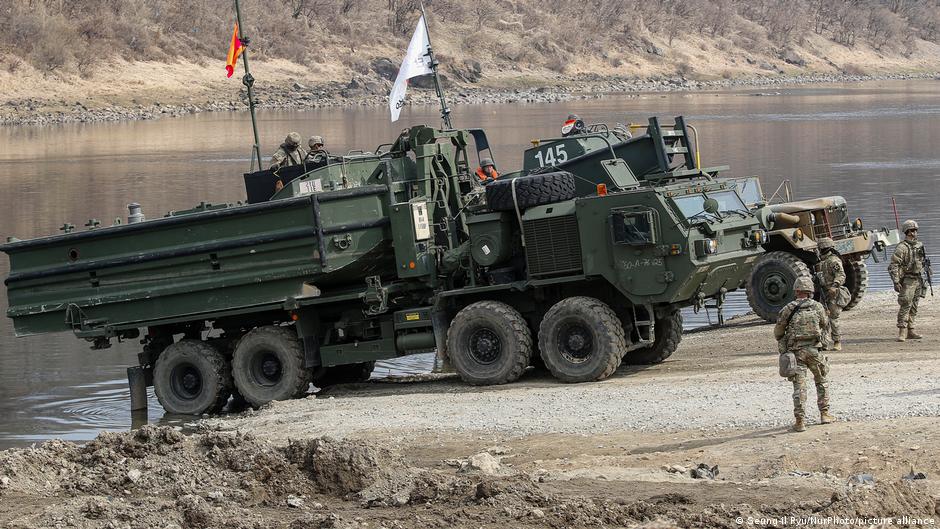
The US scales back joint military drills with South Korea, affecting defense budgets and potentially impacting household finances and currency stability in the region.

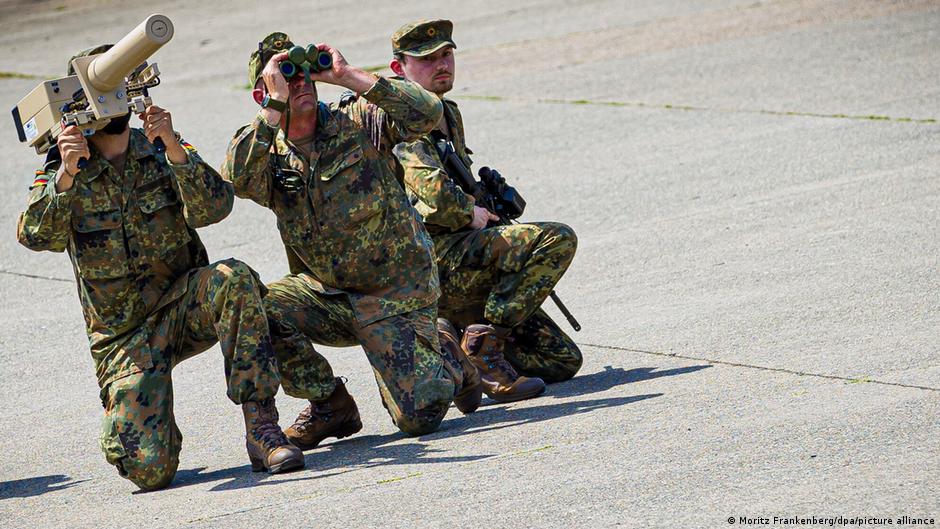
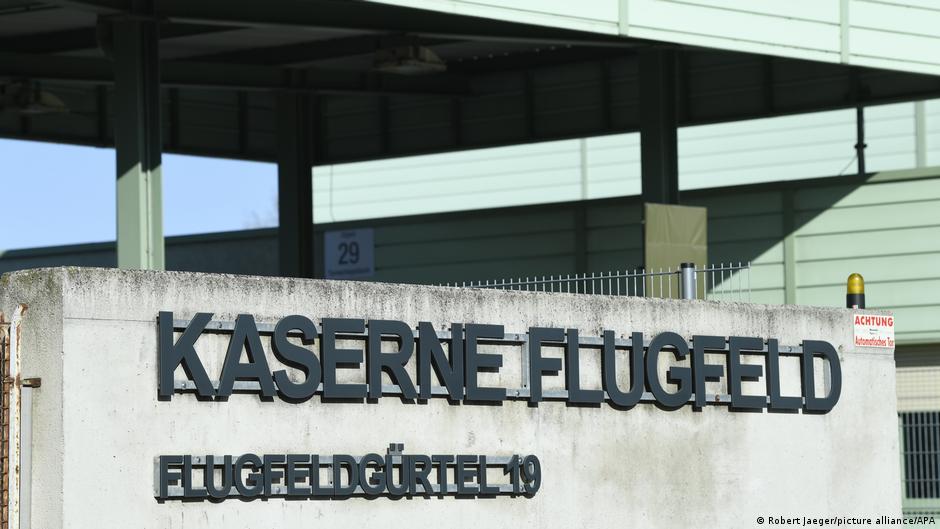
Germany faces rising drone incidents near military bases, prompting increased defense spending that could impact household budgets and economic stability.

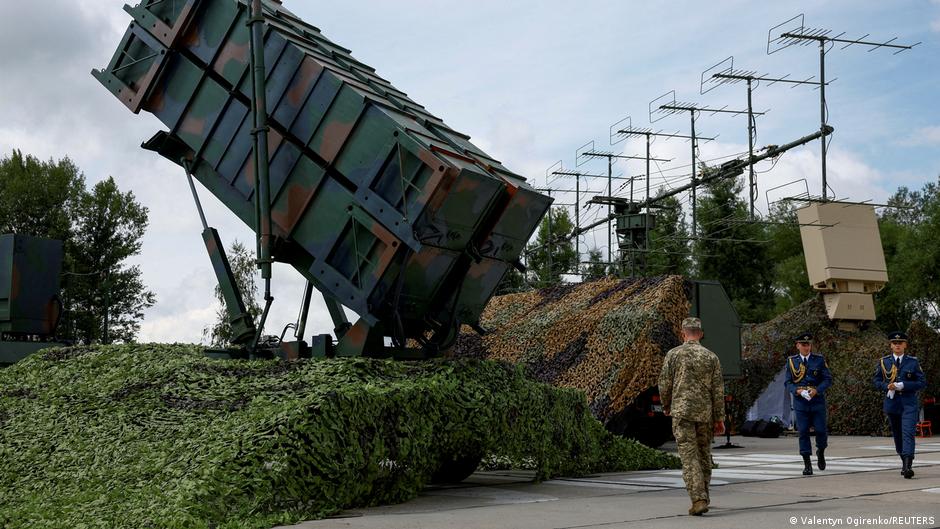
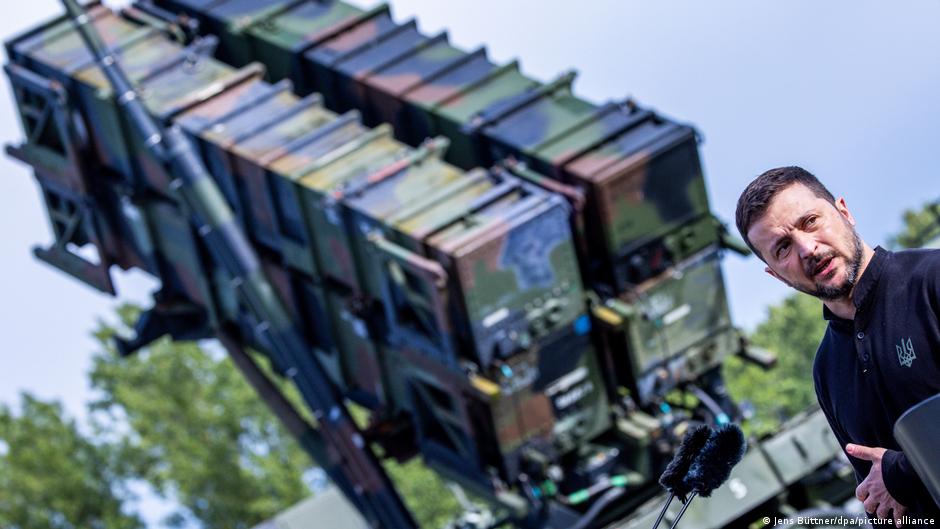
Concerns over Ukraine’s potential to produce Patriot missiles raise questions about defense spending, supply chains, currency impacts, and investor risks affecting households globally.

Germany faces growing hybrid warfare threats, including drone attacks, impacting national security and posing risks to household budgets, savings, and investor confidence.

US missile supplies are strained by aid to Ukraine, prompting concerns about increased defense spending and potential impacts on household budgets and consumer finances.

Ukraine’s unlikely NATO membership shifts security alliances, impacting household budgets, currency stability, and the economic outlook for everyday investors.

Russia’s use of North Korean ballistic missiles in Ukraine raises global concerns over economic stability, affecting household budgets, currencies, and investor confidence worldwide.

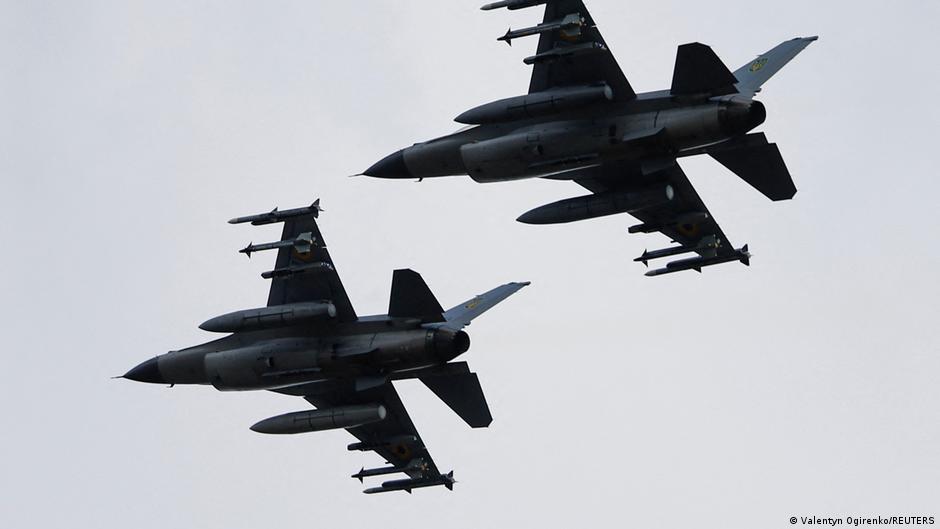
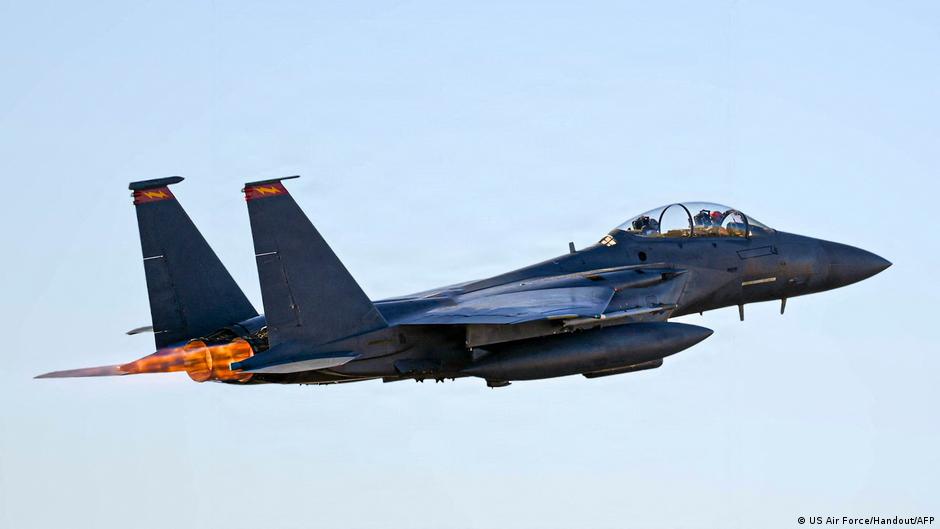
Ukraine’s fourth F-16 fighter jet crash highlights rising military costs and financial pressures affecting national budgets and household economies amid ongoing conflict.

Austria plans to extend mandatory military service to nine months and increase conscript pay, impacting household incomes, savings, and government spending.

Germany seeks to secure Ukraine’s advanced drone technologies through a government deal, impacting defense spending, currency stability, and investment opportunities.

The EU protests Russian missile strikes damaging civilian and diplomatic sites in Ukraine, escalating regional tensions that affect European household budgets, inflation, and currency markets.

Germany sees a sharp rise in military service refusals, raising concerns about household budgets, savings, and investment strategies amid defense reforms.

Darlin Graham Norton assumes her late brother Lindsey Graham’s Senate seat, preserving Republican control and influencing policies that affect household budgets and investor confidence.

Germany plans a 25.5% defense budget increase for 2026, raising concerns over impacts on household finances, public debt, and investor markets.

Germany plans a 6% increase in spending and higher borrowing in its 2027 budget, with defense costs rising sharply, raising concerns for household finances and economic growth.

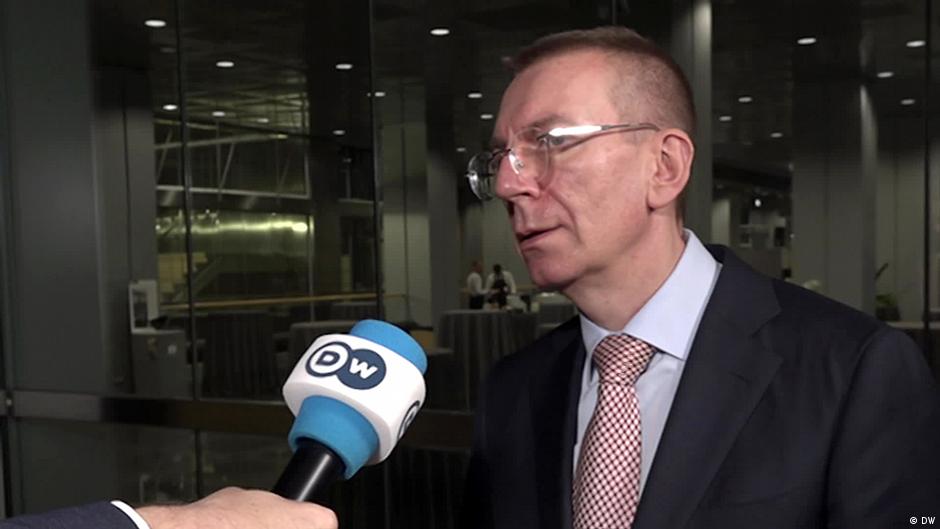
Latvian President warns NATO to prepare for conflict escalation with Russia, highlighting increased defense spending and its impact on European household budgets and savings.

Finland's removal of the nuclear weapons ban may impact national security and economic stability, influencing household budgets, savings, and currency markets.

Russian drone and missile strikes in Kharkiv and Odessa damage homes and agriculture, impacting household budgets, food prices, and consumer confidence in Ukraine.

US intelligence warns Israel may disrupt the US-Iran agreement, with implications for regional stability, household budgets, currencies, and investors.

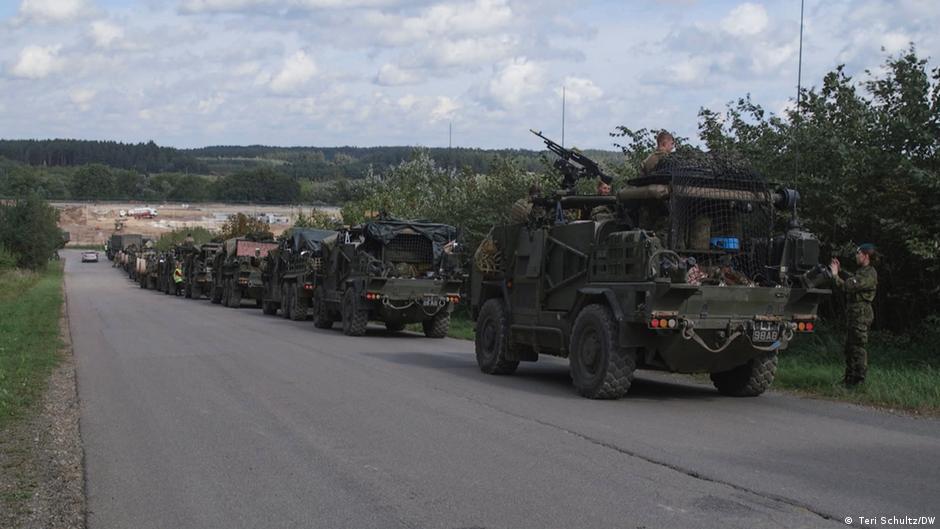
Joint military drills near the Suwalki Corridor may drive up defense spending, impacting household budgets, inflation, and local currencies in the Baltic region.

The U.S. plans to reduce its NATO fighter jets and naval presence in Europe, affecting defense budgets, currency stability, and investor outlooks across allied nations.

Germany commits an extra €300 million to Ukraine ammunition supplies, raising concerns about European fiscal pressures affecting household budgets and consumer finances.

Russia may face decades of conflict, impacting household budgets, savings, currency stability, and daily life due to economic shifts and infrastructure disruptions.

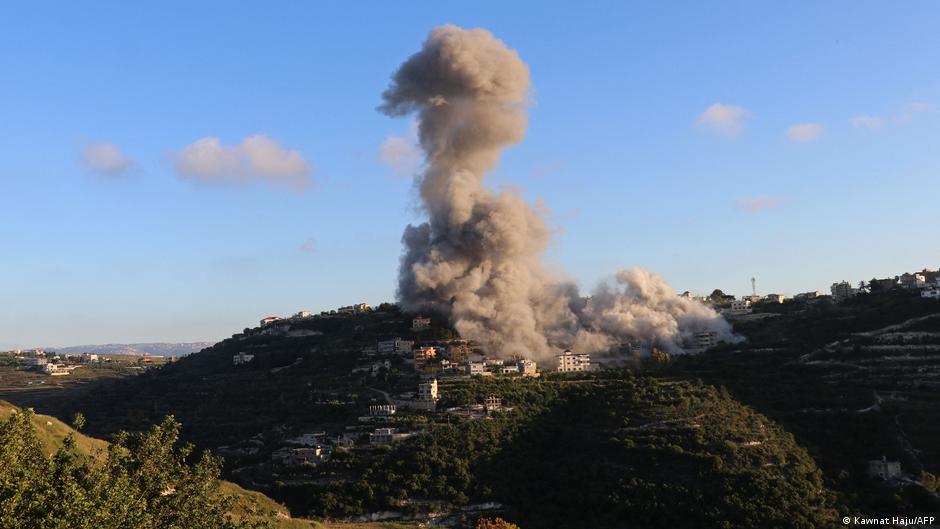
A US-mediated ceasefire between Israel and Lebanon aims to reduce conflict-driven economic strain on households, currencies, and investors in the region.

Rheinmetall’s €5.7B arms deal with Romania, funded by the EU’s SAFE program, highlights defense spending’s broader impact on household budgets, currencies, and investors.

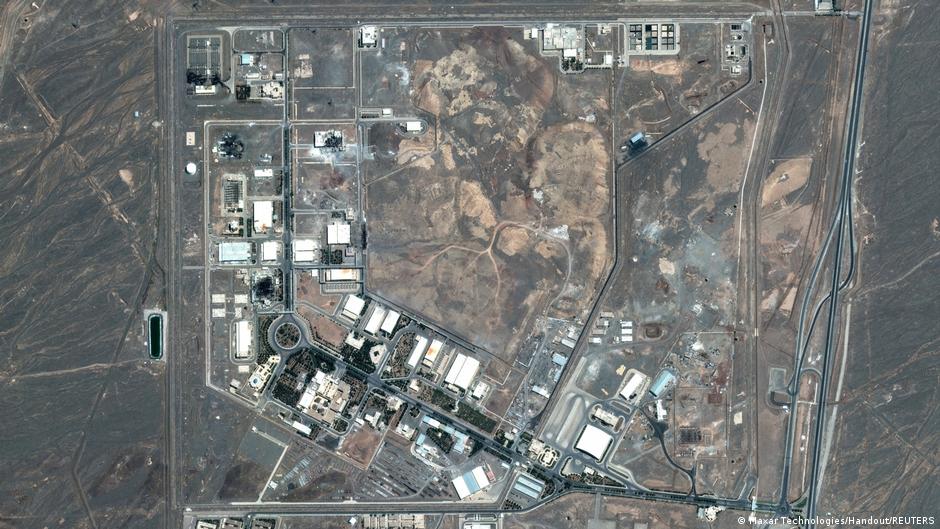
Trump’s call to destroy Iran’s enriched uranium raises geopolitical risks that could affect currencies, inflation, and household budgets worldwide.

Renewed Russian missile strikes on Kyiv intensify economic uncertainty, impacting Ukrainian household budgets, savings, and investor confidence amid ongoing conflict.

NATO intelligence reveals Russia's secret underwater nuclear missile project which could impact global defense spending, currency stability, and everyday financial risks for consumers and investors.

The US plans to deploy 5,000 additional troops to Poland amidst military realignments, impacting defense budgets, currency stability, and potentially household finances globally.

NATO confirms the steady supply of US air defense missiles to Ukraine, with implications for household budgets, government spending, and currency stability amid the ongoing conflict.

The US Senate advances a resolution to restrict military actions against Iran, with significant impacts on household budgets, currency markets, and consumer investments.

The UK plans to raise defense spending by £18 billion, a move that could reshape government budgets and impact household finances amid political unrest.

Ukraine’s plan to supply NATO with long-range drones and missiles could reshape defense dynamics and affect household finances, currency stability, and consumer investment decisions in Europe.

The US approved a $373.6 million sale of precision bomb kits to Ukraine, impacting defense budgets, inflation, currency markets, and investors in aerospace sectors.

Germany is accelerating its long-range missile development after the US declined Tomahawk deployment, affecting European security, defense budgets, and investors’ outlook.

The US plans major cuts to its troops in Germany, affecting local economies, currency markets, and potentially household finances and investments.

US delays in arms shipments to Europe due to Iran conflict strain defense budgets, impacting household finances, currency stability, and investor confidence across allied nations.

Poland and France are jointly developing a military satellite to secure Poland’s defense communications, reflecting broader trends in European defense spending and technology investments.