Renewed Missile Attacks on Kyiv Raise Concerns Over Ukrainian Household Finances and Economic Stability
The latest Russian missile strikes on Kyiv threaten to deepen economic uncertainty affecting Ukrainian households and investors.
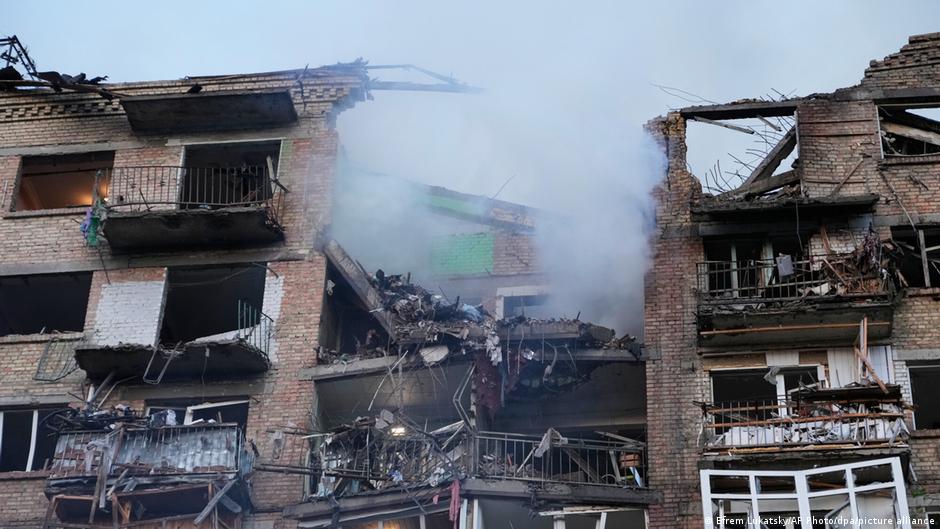
On the night of May 24, Russian forces launched another series of massive missile and drone attacks targeting Kyiv and surrounding regions, causing significant destruction and casualties. More than 20 people have been reported injured, with at least one fatality in the Shevchenkivskyi district when a drone struck a nine-story residential building. These strikes not only threaten lives but also exacerbate the fragile economic environment impacting Ukrainian households and the broader financial stability.
Impact on Household Budgets and Property
Multiple residential buildings across Kyiv sustained direct hits from unmanned aerial vehicles (UAVs), including a 16-story apartment in the Obolonsky district and a 24-story building in the Solomiansky district. The destruction of residential infrastructure disrupts daily life, forcing families to allocate funds toward repairs, relocations, or temporary accommodations—sudden expenses that strain household budgets already challenged by conflict-related inflation and supply chain disruptions.
"In the Shevchenkivskyi district, a drone strike caused extensive damage to residential buildings, highlighting the ongoing risks to civilian infrastructure and the financial burdens families now face," said the mayor of Kyiv, Vitali Klitschko.
Fires triggered by falling drone and missile debris further compound the damage, increasing repair and insurance costs. For homeowners, these physical losses translate to decreased property values, diminishing household wealth and limiting access to credit or loans backed by real estate assets.
Currency Volatility and Savings Under Pressure
The renewed military aggression and growing threat of advanced ballistic missile use, such as the suspected deployment of the "Oreshnik" medium-range missile, heighten economic uncertainty. For ordinary Ukrainians, this translates into increased volatility in the national currency and inflationary pressures on essential goods and services.
Household savings face erosion as the hryvnia fluctuates amid geopolitical instability, reducing the real value of deposits and complicating financial planning. Many consumers may feel compelled to convert savings into more stable foreign currencies or tangible assets, though access to such options may be limited under wartime conditions.
Challenges for Everyday Investors
The ongoing conflict and missile attacks shake investor confidence, deterring both domestic and foreign investments crucial for economic recovery. Individuals engaged in stock markets or holding government bonds encounter risks related to market volatility and potential government reprioritization of fiscal resources toward defense spending.
Moreover, interruptions to business operations and infrastructure can lead to job insecurity, further squeezing disposable incomes and reducing the capacity of households to invest or save. The broader economic challenges underscore the importance of international financial support and stabilization efforts.
Calls for Preventive International Measures
Ukrainian President Volodymyr Zelensky has issued warnings based on intelligence about Russia's preparations to deploy additional "Oreshnik" missile strikes, urging partners to enhance pressure on Moscow proactively. These developments underscore the complex interplay between military actions and civilian economic resilience.
As the conflict continues, the economic fallout for Ukrainian households is expected to deepen, highlighting the urgent need for financial strategies that protect savings, stabilize currencies, and support everyday investors in navigating the challenges of war.