US Concerns Over Ukraine’s Potential to Produce Enhanced Patriot Missiles Impact Defense Markets
Licensing fears raise questions on missile production, supply chains, and implications for household defense spending and investor confidence.
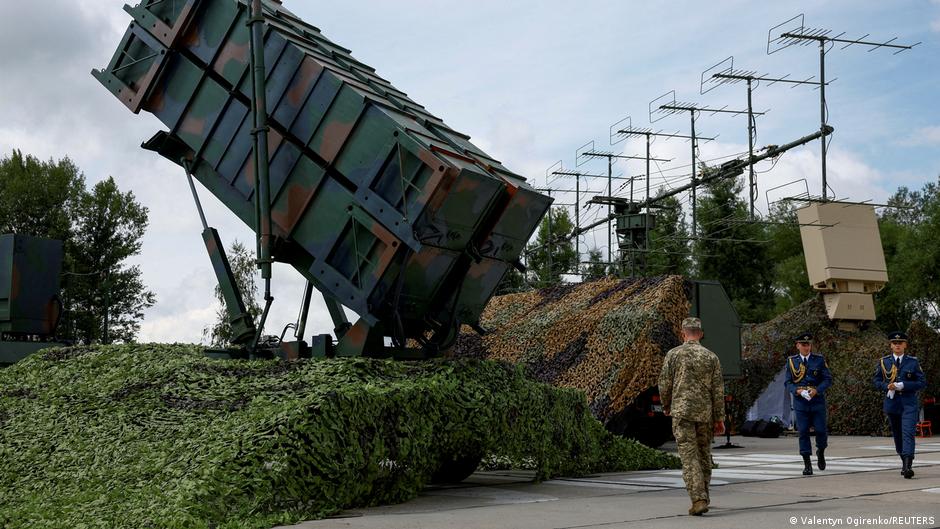
American defense giants Raytheon and Lockheed Martin have expressed concerns that if Ukraine receives licenses to produce Patriot missile interceptors, it could upgrade the technology and manufacture missiles at greater speed and lower cost than current U.S. facilities allow. This development carries implications not only for defense industries but also for household budgets, currencies, and everyday investors sensitive to shifts in military supply chains and government spending.
Licensing and Production Risks Stir Market Sensitivities
The Patriot missile system is a cornerstone of U.S. and allied air defense. Raytheon and Lockheed Martin, the primary manufacturers, fear that licensing Ukraine to produce these interceptors could lead to intellectual property risks and technological transfers that undermine their market dominance. According to U.S. congressional sources, these companies warn that cheaper, faster production abroad could disrupt existing supply lines and pricing structures.
"The official concern is about theft of intellectual property and transfer of technology," a congressional insider noted.
From a consumer finance perspective, any destabilization in the defense manufacturing sector could influence government contracts and defense spending allocations. Higher uncertainty around missile production could translate into fluctuating defense budgets, potentially impacting tax policies and public spending priorities that ultimately affect household finances.
Geopolitical Decisions Affecting Currency and Investor Confidence
Ukraine’s ongoing conflict with Russia has prompted President Volodymyr Zelensky to seek Patriot missile licenses since early in the war. Despite reaching an agreement under the Trump administration, bureaucratic delays continue under the current U.S. government. Zelensky highlighted the urgency, stating that lives are at stake and emphasizing the need for both American and European cooperation on licensing.
These delays and political debates reverberate beyond defense circles. Investors keen on defense stocks like Raytheon and Lockheed Martin monitor such developments closely. Increased production overseas could compress profit margins, leading to stock volatility. Moreover, shifts in defense trade relations influence currency markets; extensive arms transfers and licensing agreements require significant financial flows that can affect exchange rates, indirectly impacting household savings, especially in countries reliant on robust currency stability.
Former President Donald Trump publicly criticized the current administration for depleting U.S. ammunition stockpiles through aid to Ukraine, signaling challenges in replenishing these reserves. This dynamic highlights tensions in balancing international support and domestic defense readiness, with repercussions for government spending and economic stability.
For everyday investors, these geopolitical defense issues underline the importance of diversifying portfolios and staying informed about government policy shifts that could affect defense contractors and broader market conditions.
Impact on Household Budgets and Savings
While the direct consumer impact of missile licensing may seem remote, defense spending forms a significant portion of national budgets, funded through taxation and government borrowing. Any increase in military expenditure or shifts in procurement strategies can influence fiscal policies. For households, this could mean altered tax burdens or changes in public services funding.
Additionally, currency fluctuations triggered by large-scale arms deals or geopolitical instability can affect import prices, inflation, and purchasing power. Ukrainians and their allies may experience these effects more directly, but global markets also feel the ripple effects.
In summary, the debate over Patriot missile licensing to Ukraine not only poses strategic and technological challenges but also carries nuanced economic consequences for consumers, investors, and currency markets worldwide.