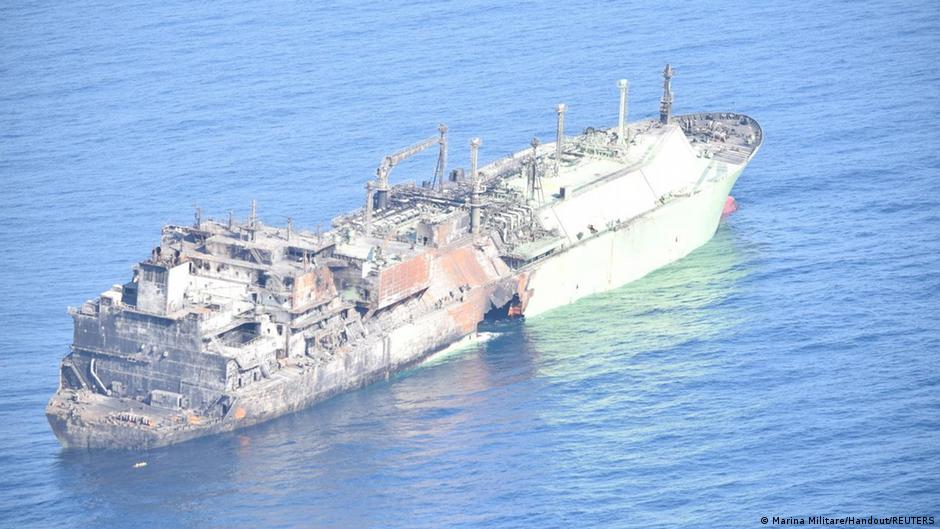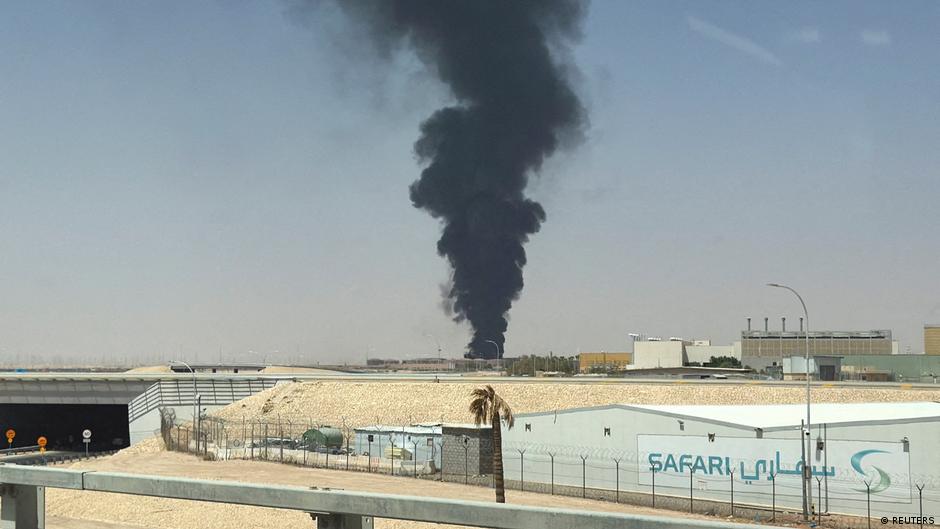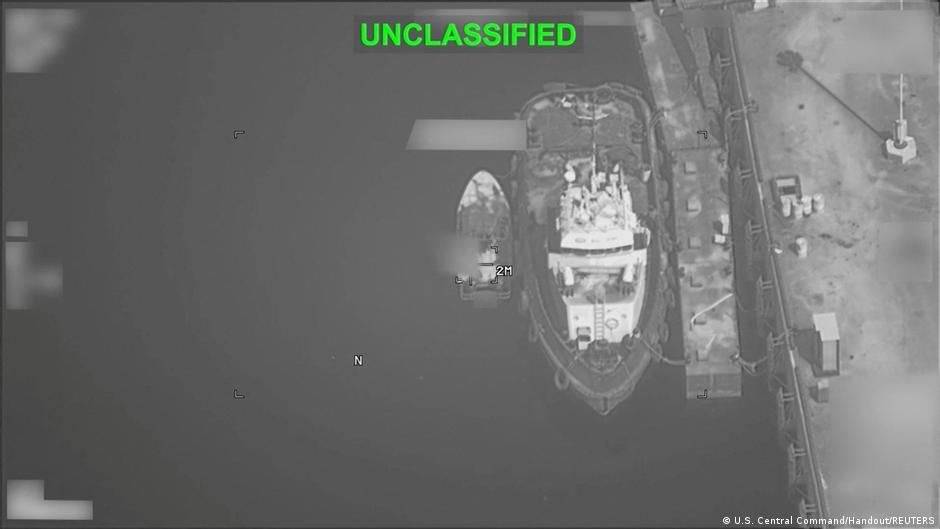
U.S. Says It Destroyed Five Iranian Oil Tankers After Missile Attacks
U.S. strikes on Iranian oil tankers raise new questions for fuel prices, inflation risks, currencies and small investors watching Gulf tensions.

U.S. strikes on Iranian oil tankers raise new questions for fuel prices, inflation risks, currencies and small investors watching Gulf tensions.

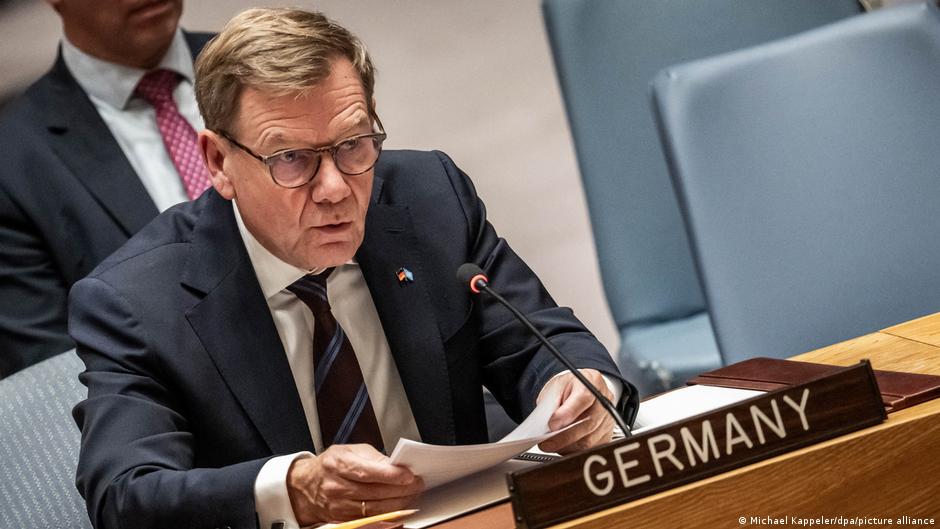
Germany’s foreign minister says aid to Ukraine should also benefit German defense firms, citing the need to justify spending to taxpayers.

Finland’s completed Russia border fence highlights how security spending can affect public budgets, local economies and household finances.

AfD’s Saxony-Anhalt win raises uncertainty over coalition talks, energy policy, sanctions and the economic outlook for households and investors.


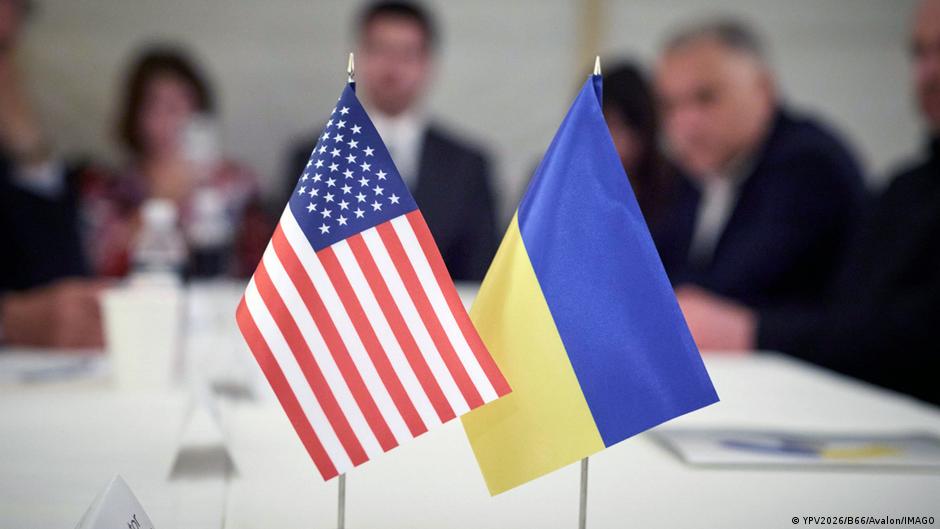
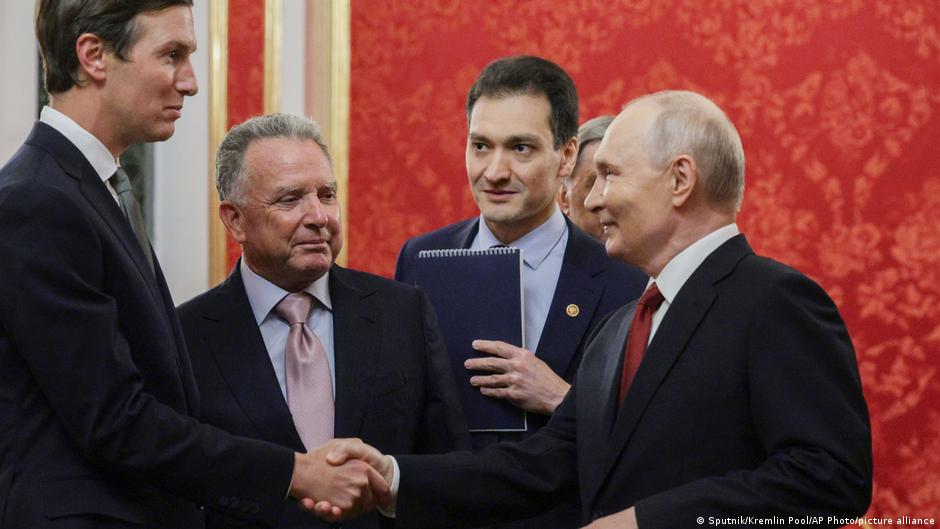
U.S. envoys discussed Ukraine peace plans with Putin before Kyiv talks, a development that could affect household costs, currencies and investors.

The U.S. has removed Syria from its terrorism sponsor list, opening new economic opportunities with potential impacts on currencies, investments, and household finances worldwide.

Sabotage at European defense factories risks supply chain disruptions that could raise consumer costs and disrupt savings amid ongoing geopolitical tensions.

The EU pledges ongoing support to Ukraine amid conflict, maintaining sanctions on Russia that affect European household budgets, currency markets, and investors.

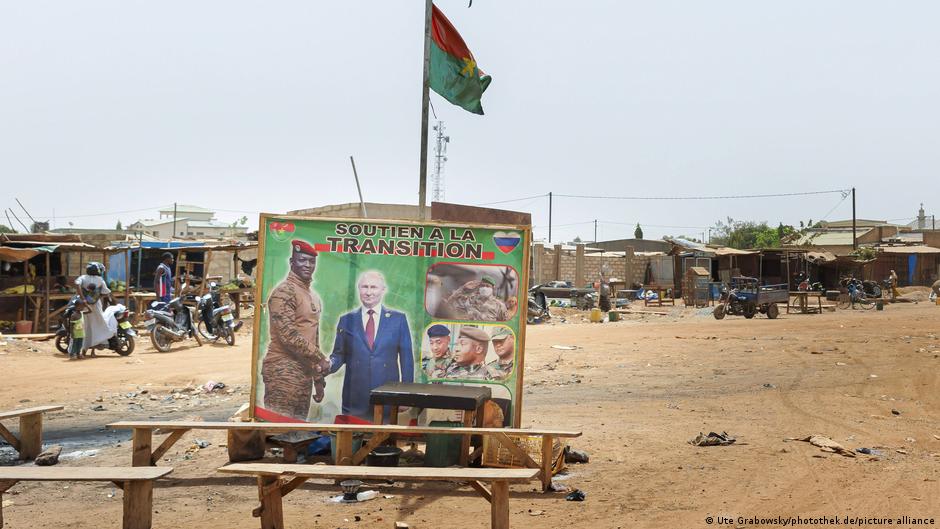
Russia's shadow air fleet in Africa bypasses sanctions, fueling geopolitical tensions that may impact household budgets, inflation, and investor risks globally.

Finland summons Russian ambassador after an Il-20 spy plane briefly entered its airspace, raising concerns that may impact regional economic stability and household finances.

Hundreds of Ukrainian soldiers have deserted military training in Germany since 2022, creating financial uncertainty for families dependent on remittances and affecting currency stability.

NATO responds to Iranian threats targeting European military sites, signaling potential impacts on household budgets, currency markets, and consumer prices amid rising tensions.

President Trump announces unprecedented sanctions against Iran, threatening global trade and energy markets, with direct consequences for household budgets and investors worldwide.

US President Trump plans a fall meeting with North Korean leader Kim Jong Un to revive nuclear talks, with potential impacts on currencies and household finances worldwide.

More than 180 drones were intercepted near Moscow, causing injuries and property damage that impact household safety, local infrastructure, and consumer costs.

Jared Kushner's talks with Hamas highlight persistent Middle East tensions that could impact currencies, inflation, and household finances worldwide.

The US plans to declare the Strait of Hormuz as its territory, potentially raising energy prices worldwide and impacting household budgets due to ongoing military tensions with Iran.

Ukraine sanctions 13 ships and 28 companies over illegal grain exports from Russian-occupied territories, aiming to protect agricultural revenues and stabilize commodity markets.

White House Press Secretary Caroline Leavitt resigns to focus on family, highlighting work-life balance challenges impacting household budgets and personal financial decisions.

Over 40 countries demand 24-hour advance notice of ballistic missile tests to reduce risks and protect global economic and financial stability impacting households and investors.

Russian missile and aerial bomb attacks on Zaporizhzhia have caused casualties and damaged infrastructure, affecting household budgets, local economies, and financial stability.

Concerns over Ukraine’s potential to produce Patriot missiles raise questions about defense spending, supply chains, currency impacts, and investor risks affecting households globally.

Germany faces growing hybrid warfare threats, including drone attacks, impacting national security and posing risks to household budgets, savings, and investor confidence.

Russia has declared the US Human Rights Foundation 'undesirable,' limiting independent information that supports household financial planning and investment decisions.

The August 1 explosion in a Moscow restaurant highlights severe personal and financial consequences for victims’ families, affecting household budgets and investor confidence.

Drone attacks in Russia's Kursk and Belgorod regions cause casualties and disrupt daily life, affecting household safety and local economies.

Ukraine's 40-day operation against Russian energy infrastructure disrupts fuel supplies, raising global prices and impacting household budgets and investors worldwide.

NATO's plans to expand nuclear deterrence in Europe could influence household budgets and market stability amid rising geopolitical tensions.

Russia’s use of North Korean ballistic missiles in Ukraine raises global concerns over economic stability, affecting household budgets, currencies, and investor confidence worldwide.

The US Senate advances sanctions bill imposing steep tariffs on Russian imports, potentially raising prices and affecting household budgets and investments.

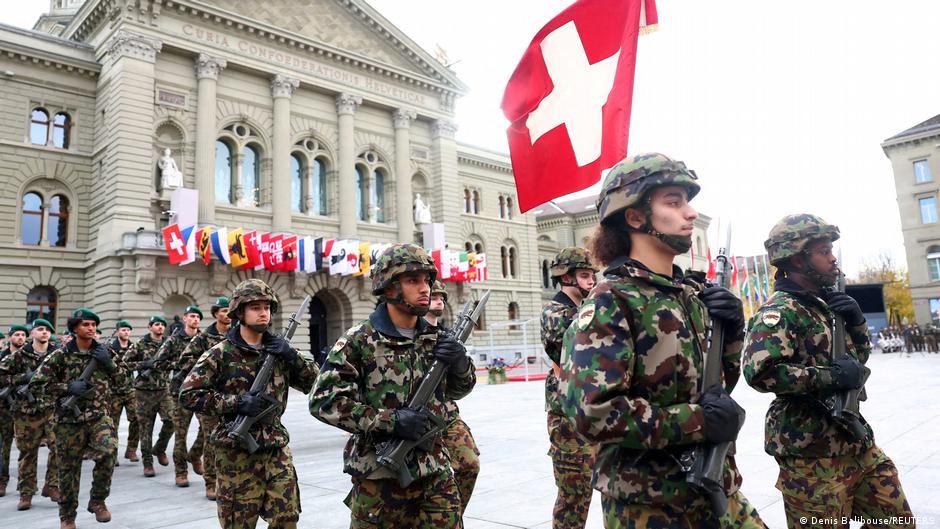
Austria plans to extend mandatory military service to nine months and increase conscript pay, impacting household incomes, savings, and government spending.

President Zelensky's Washington visit coincides with Senate moves to expand Russia sanctions, affecting household budgets and investment risks amid geopolitical tensions.

Ukraine warns Russia plans to expand military mobilization in 2026, including North Korean troops, raising economic risks for Russian households, savings, and currency stability.

The EU protests Russian missile strikes damaging civilian and diplomatic sites in Ukraine, escalating regional tensions that affect European household budgets, inflation, and currency markets.

The US has imposed 50% tariffs on Canadian imports, raising prices on goods like wine and cement, which may increase costs for American households and affect everyday investments.

US military deaths in the Iran conflict rise, increasing geopolitical risks that affect household budgets, currency markets, and investment decisions.

Former President Trump proposes the US host another FIFA World Cup solo, impacting household budgets, travel costs, and investment opportunities linked to major sporting events.

US plans to allow Saudi uranium enrichment could raise oil prices, affect currencies, and impact household budgets and investments worldwide.

US strikes on Iran's infrastructure heighten risks of oil supply disruptions, driving up energy costs and impacting household budgets and investors worldwide.

U.S.-Iran military clashes threaten to raise energy prices, impacting consumer costs, household budgets, and currency stability for everyday investors worldwide.

The US is negotiating to restore an Iraq-Syria oil pipeline to bypass the Strait of Hormuz, aiming to stabilize energy supplies and ease global household energy costs.

US threats against the International Criminal Court spark concerns about global legal stability and economic impacts on currency markets, household budgets, and investors.

Germany sees a sharp rise in military service refusals, raising concerns about household budgets, savings, and investment strategies amid defense reforms.

US military strikes on Iran near the Strait of Hormuz risk disrupting oil supplies, driving up energy prices, and straining household budgets and investments globally.

The EU recommends cutting €2 million in funding from the Venice Biennale over Russia's participation, raising questions about the use of taxpayer money amid geopolitical tensions.

Renewed US-Iran military strikes and sanctions threaten Strait of Hormuz shipping, risking higher oil prices and increased costs for households and investors worldwide.

Gasoline prices in Crimea surged nearly 92% in early July, doubling in just one week and severely impacting household budgets and regional fuel markets.

Removal of US sanctions on Syria may affect investments, currency stability, and household budgets as the country reintegrates into the global economy.

Canada's selection of German TKMS for submarine procurement signals deepening transatlantic ties, with wide-ranging effects on currencies, government budgets, and investors.

Nearly half of Germans oppose banning the far-right AfD party, which leads polls and influences consumer confidence, savings, and household financial strategies.