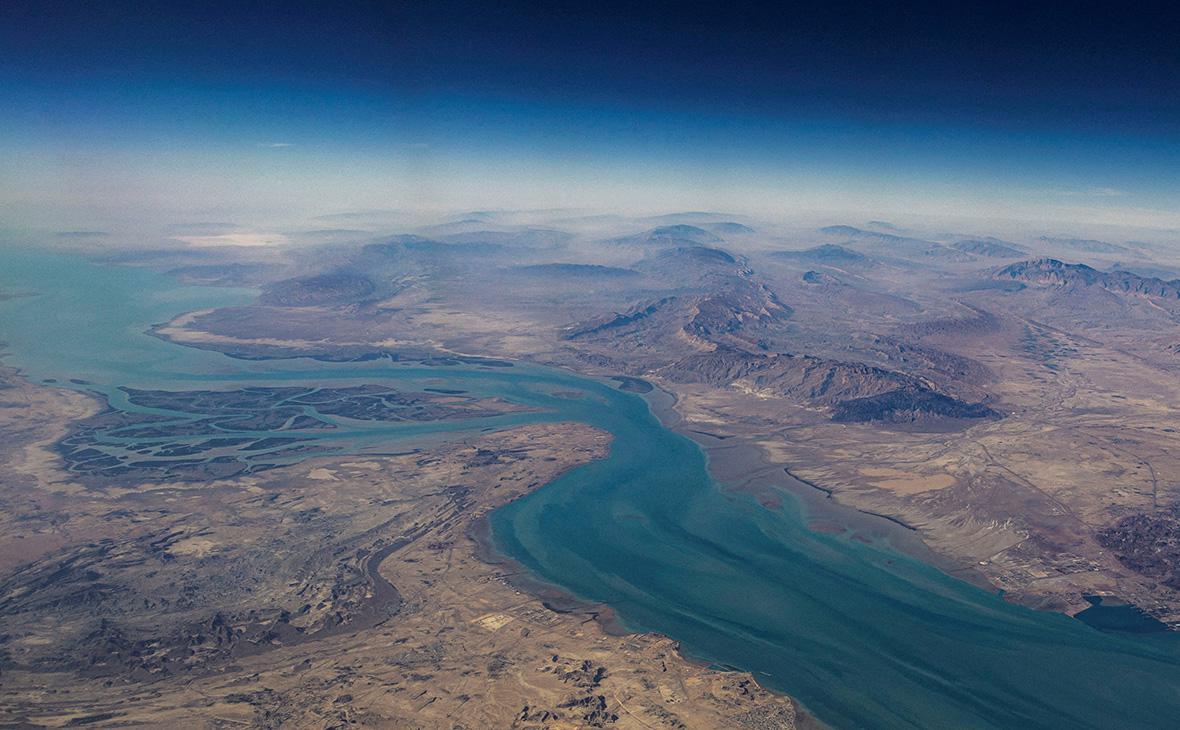
Novorossiysk Drone Attack Raises Fresh Risks for Fuel, Food and Port Costs
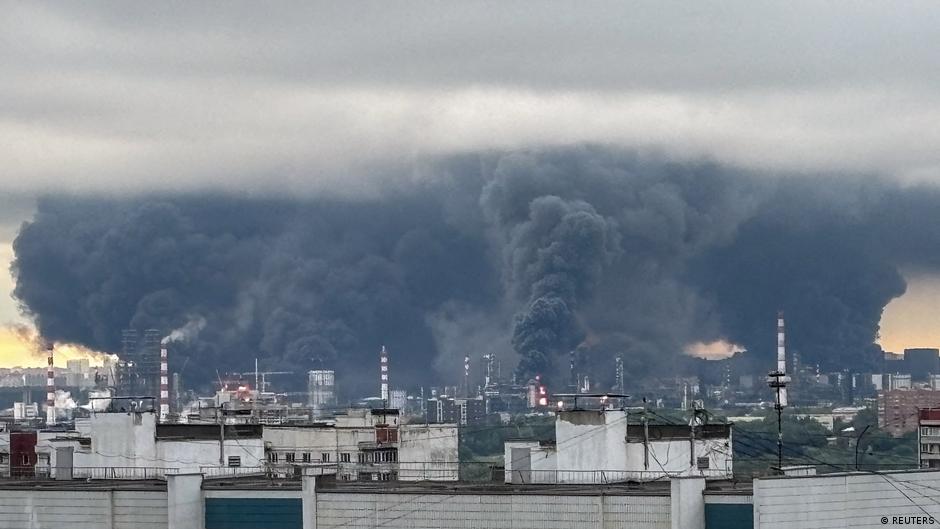
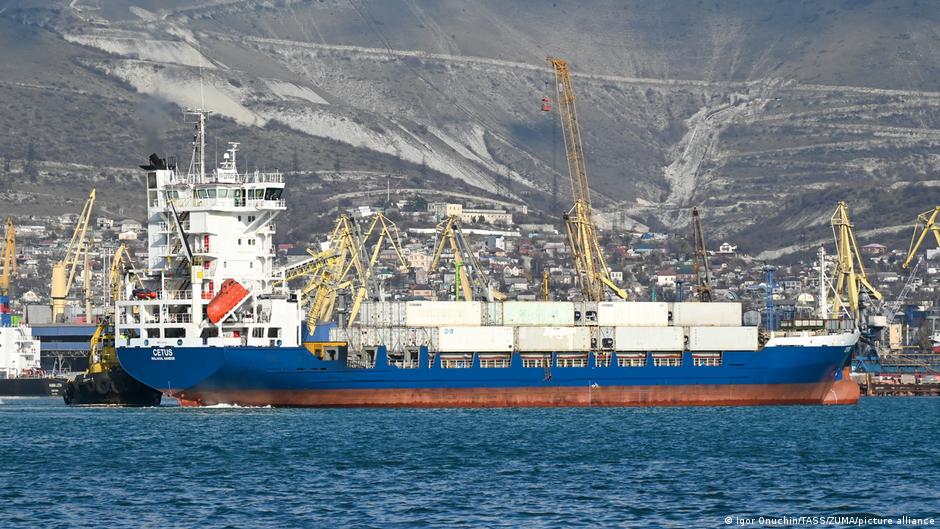
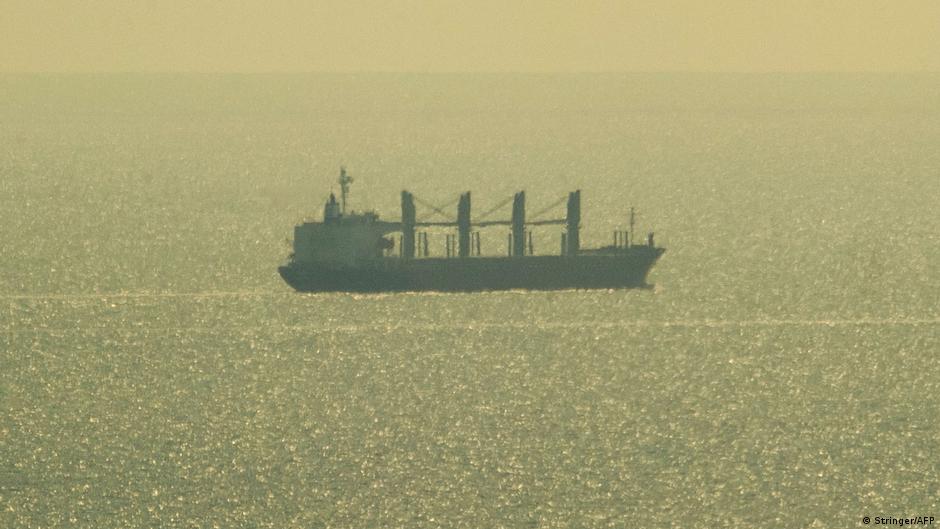
A reported drone attack and fire at Novorossiysk’s port hub could add pressure to fuel, food and market risks watched by households and investors.

A reported drone attack and fire at Novorossiysk’s port hub could add pressure to fuel, food and market risks watched by households and investors.

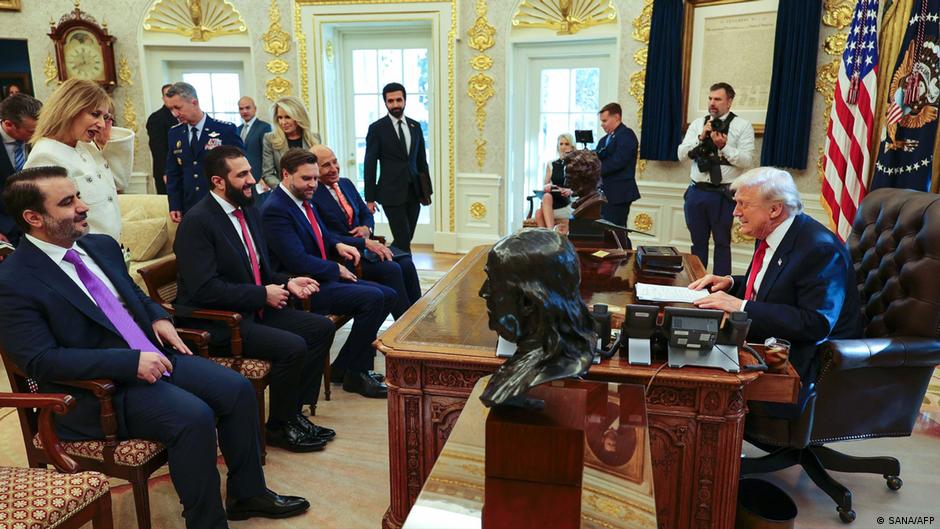
The U.S. has removed Syria from its terrorism sponsor list, opening new economic opportunities with potential impacts on currencies, investments, and household finances worldwide.

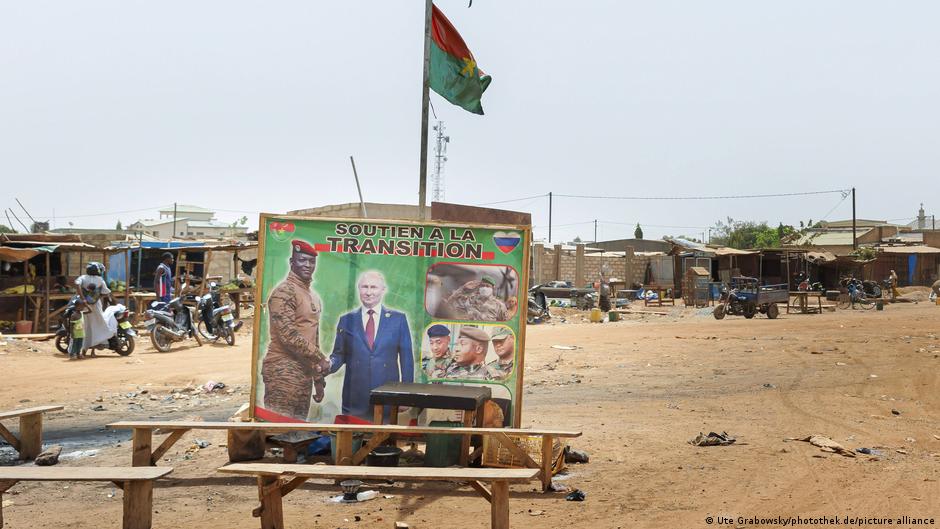
Russia's shadow air fleet in Africa bypasses sanctions, fueling geopolitical tensions that may impact household budgets, inflation, and investor risks globally.
NATO responds to Iranian threats targeting European military sites, signaling potential impacts on household budgets, currency markets, and consumer prices amid rising tensions.
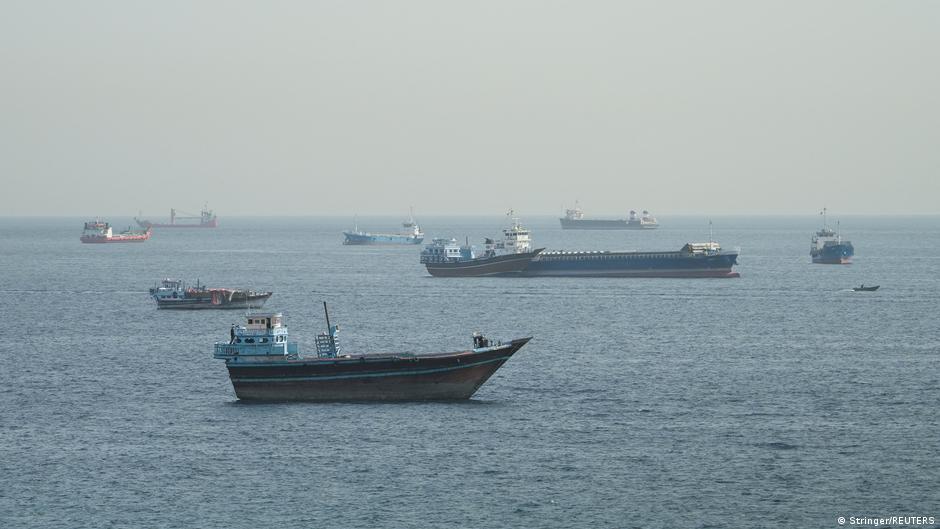
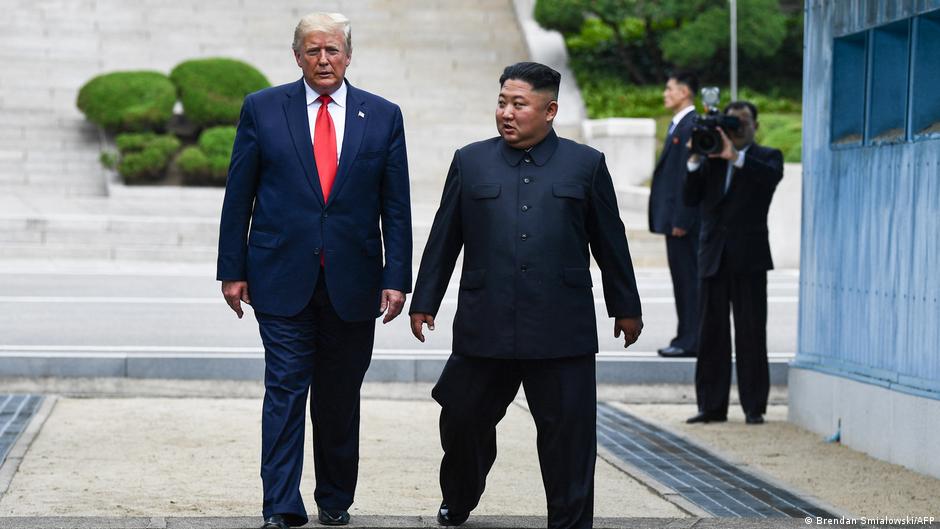
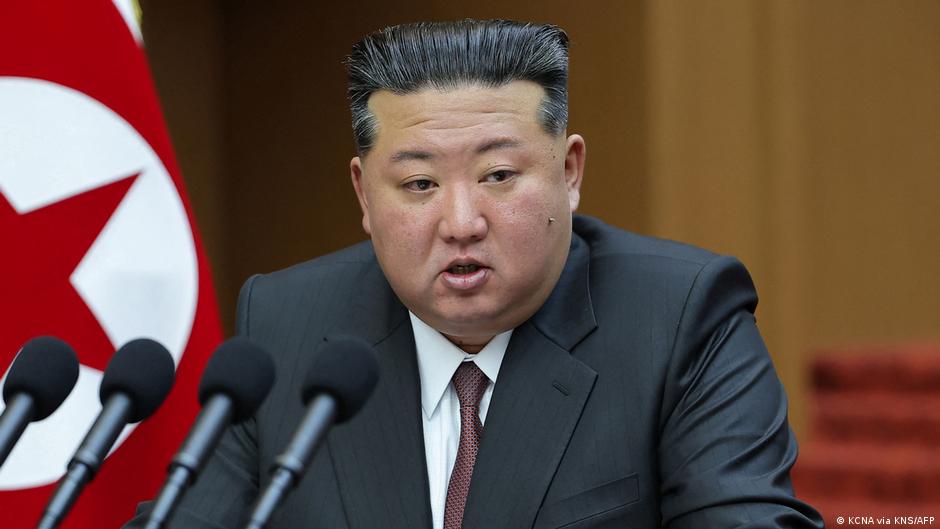
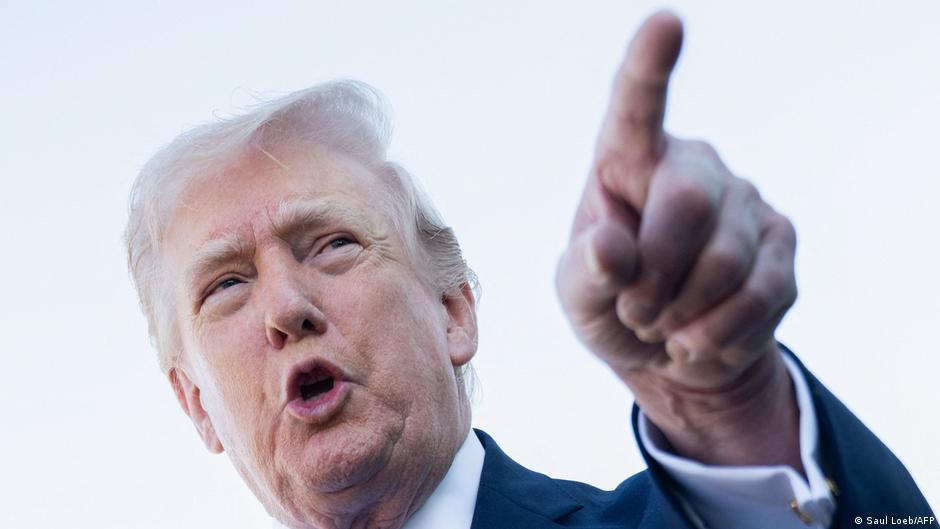
US President Trump plans a fall meeting with North Korean leader Kim Jong Un to revive nuclear talks, with potential impacts on currencies and household finances worldwide.

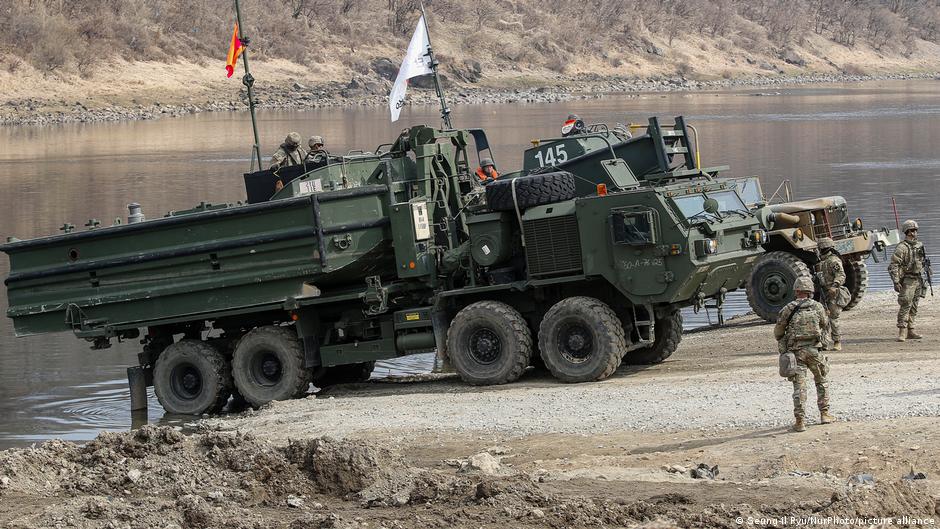
The US scales back joint military drills with South Korea, affecting defense budgets and potentially impacting household finances and currency stability in the region.

Jared Kushner's talks with Hamas highlight persistent Middle East tensions that could impact currencies, inflation, and household finances worldwide.

The US plans to declare the Strait of Hormuz as its territory, potentially raising energy prices worldwide and impacting household budgets due to ongoing military tensions with Iran.

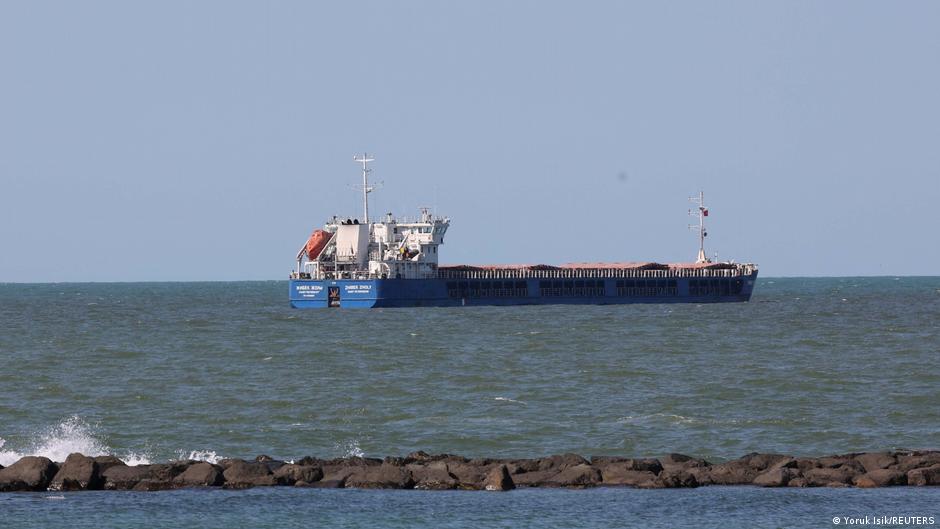
Ukraine sanctions 13 ships and 28 companies over illegal grain exports from Russian-occupied territories, aiming to protect agricultural revenues and stabilize commodity markets.

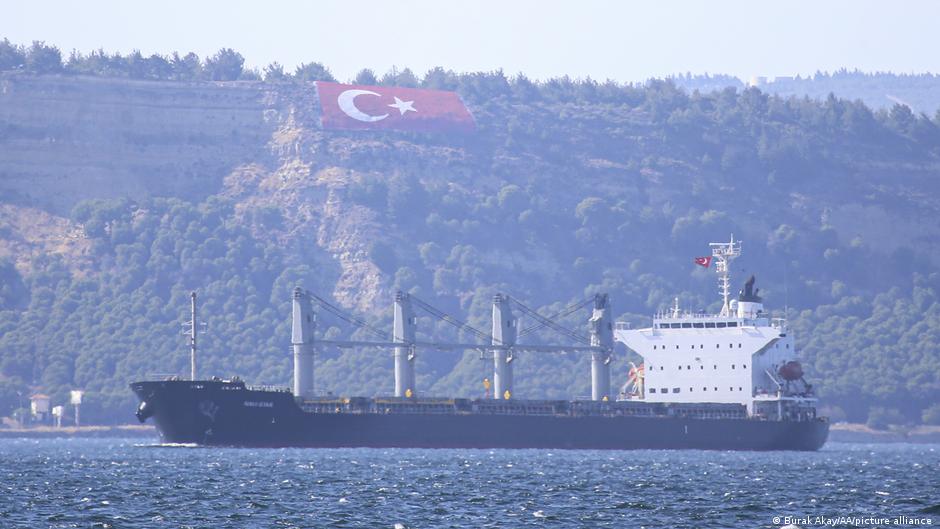
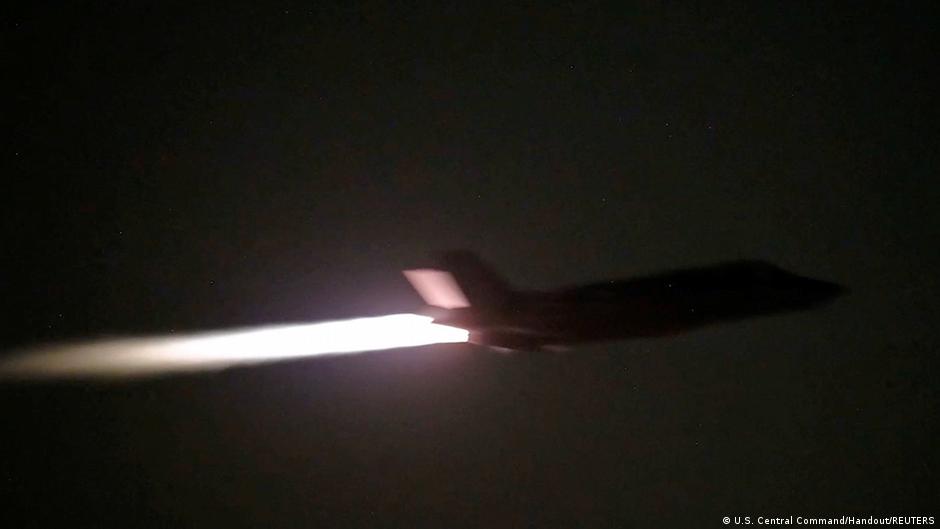
The strike on Russian warships and infrastructure in Novorossiysk disrupts regional energy and grain exports, impacting household budgets and consumer prices.

Turkey's reopening of its straits to shipping after temporary restrictions affects Black Sea trade routes, impacting commodity prices and household budgets globally.

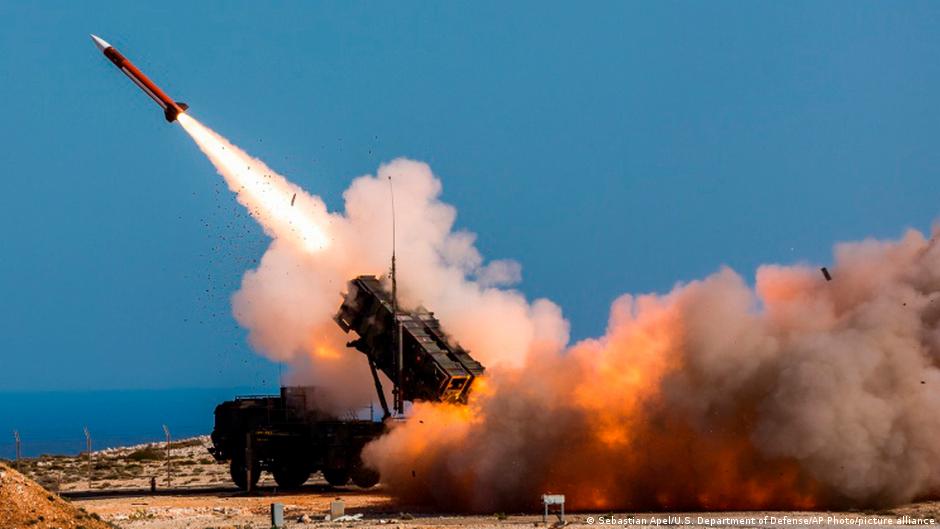
US missile supplies are strained by aid to Ukraine, prompting concerns about increased defense spending and potential impacts on household budgets and consumer finances.

Russia's redeployment of a major warship near Germany heightens risks to Baltic shipping routes, potentially affecting European energy supplies and consumer costs.

Following Ukrainian attacks, Belgorod Reservoir's water levels have dropped drastically, threatening local water supply and increasing costs for households and agriculture.

Russia’s use of North Korean ballistic missiles in Ukraine raises global concerns over economic stability, affecting household budgets, currencies, and investor confidence worldwide.

The US-declared Hamas disarmament deal signals potential easing of Middle East tensions, likely impacting global currencies, commodity prices, and investment markets.

The US Senate advances sanctions bill imposing steep tariffs on Russian imports, potentially raising prices and affecting household budgets and investments.

President Zelensky's Washington visit coincides with Senate moves to expand Russia sanctions, affecting household budgets and investment risks amid geopolitical tensions.

The EU protests Russian missile strikes damaging civilian and diplomatic sites in Ukraine, escalating regional tensions that affect European household budgets, inflation, and currency markets.

Russia's updated fuel damping law aims to stabilize fuel prices, helping households manage costs amid market disruptions and supporting agricultural and import supply chains.

Eleven nights of US strikes on Iran disrupt key oil routes, pushing energy costs higher and affecting household budgets and investor confidence globally.

US threats against the International Criminal Court spark concerns about global legal stability and economic impacts on currency markets, household budgets, and investors.

Russia's closure of the Azov-Don Canal after drone attacks disrupts grain exports, driving up wheat prices and posing risks to household budgets and commodity markets.

The EU cuts duty-free steel imports by 47%, imposing 50% tariffs on excess, potentially raising prices for consumers and impacting household budgets and investors.

The delay in US-Iran nuclear talks increases market volatility, impacting household budgets, savings, and investor confidence worldwide.

The US has ended its blockade of the Strait of Hormuz, allowing increased oil shipments that could stabilize fuel prices and ease household budget pressures worldwide.

The EU's quiet talks with Russia may pave the way for peace, potentially easing inflation and market volatility that affect European households and investors.

Drone attacks on Russian chemical and oil facilities risk disrupting supply chains and raising costs for households and investors, affecting food, energy, and transportation prices.

Ukraine demands a ban on Russian military participation in UN missions over sexual violence allegations, escalating geopolitical tensions with economic implications for households and investors.

The US House limits Trump's Iran war powers, signaling shifts that could ease energy price pressures and affect currency markets, impacting household budgets and investors.

The UN faces a financial crisis as major donors like the US and China delay payments, forcing cuts to vital programs and raising concerns for global aid and economic stability.

The US has secretly aided about 70 commercial ships through the Iran-blocked Strait of Hormuz, easing supply chain pressures and influencing consumer costs worldwide.

US-Iran talks hinge on nuclear restrictions, with potential impacts on currencies, inflation, and household budgets amid ongoing uncertainty.

Russia's military cooperation with the Taliban could influence global arms flow and economic stability, impacting household budgets and investment markets worldwide.

North Korea's missile tests heighten geopolitical risks, impacting currency stability, commodity prices, and everyday household finances worldwide.

Western condemnation of Israel’s treatment of Palestinian activists highlights risks to currency stability and household finances amid rising geopolitical tensions.

US postpones planned strike on Iran after Gulf leaders’ intervention, easing pressure on global energy prices and currencies, with implications for household budgets and investors.

China's renewed interest in purchasing U.S. oil and soybeans could influence commodity prices and impact American household budgets and markets.

Italy and Germany express concern as Israel halts Gaza aid flotilla, highlighting potential impacts on household budgets, currency markets, and consumer costs worldwide.

The resignation of the US acting envoy in Ukraine amid diplomatic tensions raises risks of aid disruption, impacting currencies, inflation, and investment stability for households and investors.

Germany has approved arms exports to Israel amid conflict, impacting currency stability, consumer prices, and investor portfolios across global markets.

Russia's Deputy Foreign Minister says the UN proposal to monitor the Strait of Hormuz lacks support from key parties and its future is uncertain.