Ukraine Imposes Sanctions on Ships and Companies for Illegal Grain Export from Occupied Territories
Sanctions targeting vessels and firms involved in unauthorized grain exports aim to protect Ukraine’s agricultural revenues and impact global grain trade.
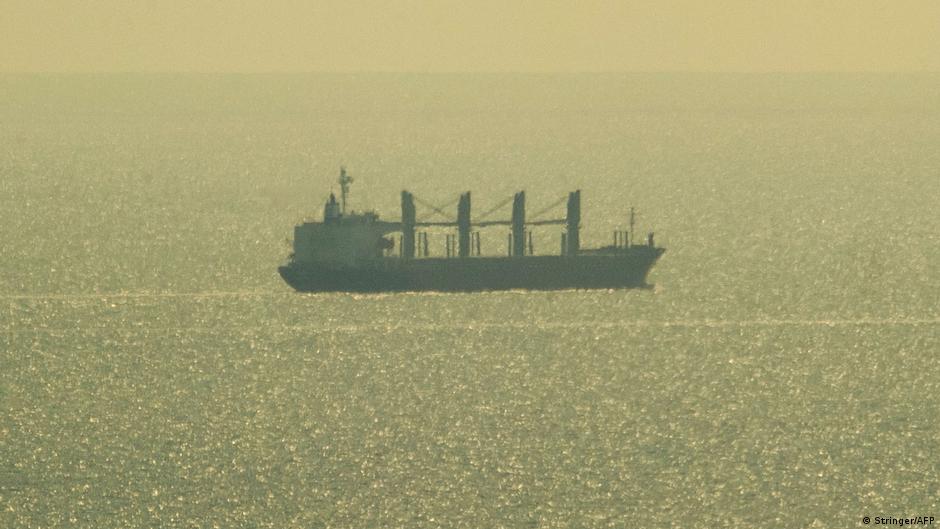
Ukraine has introduced new sanctions against 13 ships and 28 companies involved in the illegal export of grain from territories occupied by Russia, a move that could have significant implications for household budgets and commodity prices worldwide. The decree, signed by President Volodymyr Zelensky on August 14, seeks to curb unauthorized sales of Ukrainian grain abroad and safeguard the country’s agricultural economy amid ongoing conflict.
Sanctions Target Shipping and Trade Entities to Protect Ukraine’s Grain Market
The sanctions decree implements decisions by Ukraine’s National Security and Defense Council targeting individuals, vessels, and companies implicated in the illicit grain trade. The affected ships are registered under various flags, including eight Russian, three Panamanian, one Belizean, and one from Saint Kitts and Nevis. Additionally, 11 Russian nationals and 28 legal entities have been blacklisted.
Official statements from the Ukrainian presidential office emphasize that Kyiv intends to collaborate closely with allied countries to synchronize these sanctions across international jurisdictions. Vladyslav Vlasyuk, Ukraine’s presidential envoy for sanction policy, declared,
"Illegal export of Ukrainian grain from temporarily occupied territories must carry consequences for all involved—from the companies and owners to captains and vessels."
The sanctions aim to disrupt the channels used for smuggling valuable agricultural products such as wheat and sunflower seeds out of occupied regions, which undermines Ukraine’s agricultural sector and global food supply chains.
Implications for Household Budgets and Global Commodity Markets
Ukraine is a major global exporter of grains, and interruptions or distortions in its supply can ripple through worldwide markets, influencing food prices and inflation. For everyday consumers, especially in countries reliant on grain imports, higher costs for bread, cooking oils, and other staples may result.
Moreover, the illegal grain exports distort market prices and reduce state revenues that could otherwise support social programs and economic recovery efforts. For Ukrainian households and investors, protecting the integrity of agricultural exports is critical to stabilizing incomes and national currency strength.
The government’s increased enforcement against unauthorized shipments reflects broader efforts to ensure that agricultural earnings are not lost to illicit trade. Since November 2022, Ukraine has already sanctioned 56 vessels involved in similar violations, signaling a sustained campaign to curb economic leakage linked to the ongoing conflict.
Currency markets could also be affected by these measures. Strengthened control over exports tends to support national currency stability, indirectly benefiting savers and investors by mitigating sharp exchange rate fluctuations driven by trade imbalances.
Looking Ahead
As Ukraine intensifies sanctions and coordinates with international partners, the hope is to reinforce legal trade channels and protect the country’s agricultural export revenues. This in turn supports household incomes, consumer price stability, and investor confidence amid turbulent geopolitical conditions.
Consumers and investors worldwide should monitor developments closely, as disruptions in Ukrainian grain exports can have far-reaching effects on commodity prices, currency valuations, and inflation trends.