Impact of Russian Naval Losses in Novorossiysk on Regional Economy and Household Budgets
Strike on Russian warships and infrastructure in Novorossiysk disrupts energy logistics and local economy, affecting consumer costs and savings.
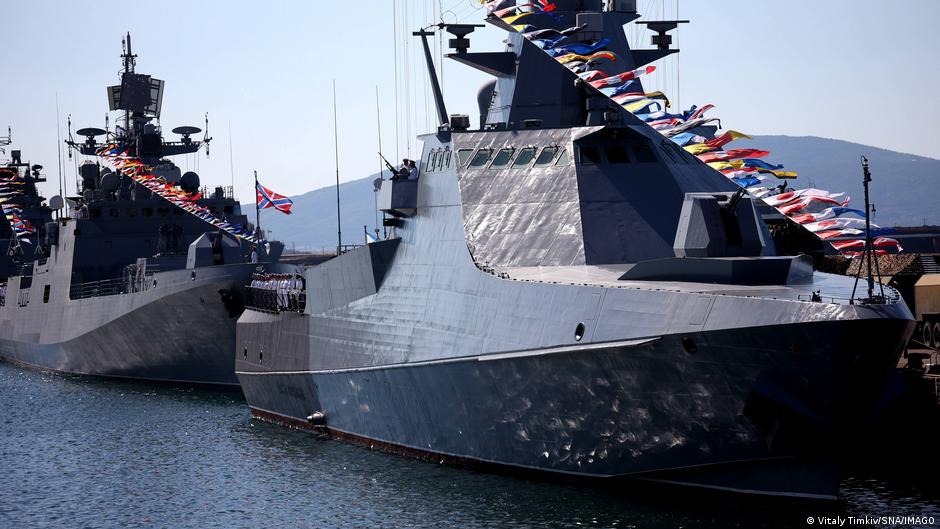
On August 12, Ukrainian military and intelligence sources reported significant damage to Russian naval vessels and key infrastructure in Novorossiysk, a strategic port city on the Black Sea. Four Russian Navy ships, including two missile-equipped frigates, were struck, alongside damage to oil facilities and grain terminals. This attack bears wider implications beyond military losses, potentially impacting regional economic stability and household finances.
Military Strike Hits Naval and Civilian Targets
The Ukrainian General Staff announced that the frigates Admiral Essen and Admiral Makarov, both armed with Kalibr cruise missiles, sustained damage. Additionally, the small missile ship Buyan-M and patrol vessel Vasily Bykov were affected. The Security Service of Ukraine highlighted that the naval strike was supported by drones and missile systems including the Neptune anti-ship missiles and Palyanitsa UAVs.
“Ukrainian drones, Palyanitsa rocket drones, Neptune missiles, and strike systems from our maritime platforms accurately hit the specified targets,” stated the Ukrainian security agency.
Besides the military assets, critical regional infrastructure suffered hits. The radar station of the S-300 missile defense system, the Grushovaya oil depot, and three port berths in Novorossiysk were damaged, disrupting energy supply chains. Civilian areas also faced collateral damage, with approximately 60 residential buildings in Novorossiysk impacted and debris damaging houses in nearby towns such as Gelendzhik, Anapa, and Temryuk district.
Economic and Consumer Consequences
Novorossiysk is a vital hub for Russia’s Black Sea grain exports and energy logistics. The attack reportedly disabled the Novorossiysk grain terminal and the Novorossiysk Bread Products Plant (NKHP). The Grushovaya oil depot is a key node linked to the Sheskharis marine terminal where oil tankers are loaded. As a terminal of the Transneft pipeline system, this facility is essential to the oil export infrastructure of the Krasnodar region.
Disruption of these facilities can ripple through the wider economy, affecting commodity prices and household budgets. Energy supply interruptions often lead to increased fuel costs, which in turn raise transportation and heating expenses for consumers. Damage to grain export terminals can tighten food supply chains, potentially increasing prices of staple goods and putting pressure on family budgets.
Local authorities reported casualties and injuries from the strike, adding a human toll to the economic impact. With hundreds of drones launched across the region, the scale of the attack underscores the vulnerability of civilian infrastructure in conflict zones, raising concerns over longer-term disruptions and inflationary pressures.
For everyday investors, the destruction of critical infrastructure and naval assets signals increased geopolitical risk. This environment may lead to currency fluctuations and volatility in commodity markets, influencing investment returns and savings. Households dependent on imported goods or sensitive to energy price shocks may need to adjust spending and saving strategies accordingly.
Outlook for Households and Regional Stability
The strike on Novorossiysk exemplifies how military conflicts extend beyond the battlefield to affect economic and social conditions. Consumers in the affected regions can expect potential rises in utility bills, food prices, and fuel costs. Savings may be eroded if inflation accelerates due to supply chain disruptions.
Investors should monitor developments closely, as instability in key export hubs and energy nodes can provoke currency volatility and impact asset prices. Diversifying portfolios and maintaining liquidity may help mitigate financial risks amid ongoing uncertainty.
In summary, while the immediate focus of the strikes has been military, the broader consequences for households and economies in southern Russia highlight the interconnected nature of security and personal finance in conflict-affected areas.