US Secretly Assists 70 Commercial Ships Through Blocked Strait of Hormuz, Easing Supply Chain Strain
Washington covertly aided dozens of vessels navigating the Iran-blocked Strait of Hormuz, impacting global trade and consumer costs.
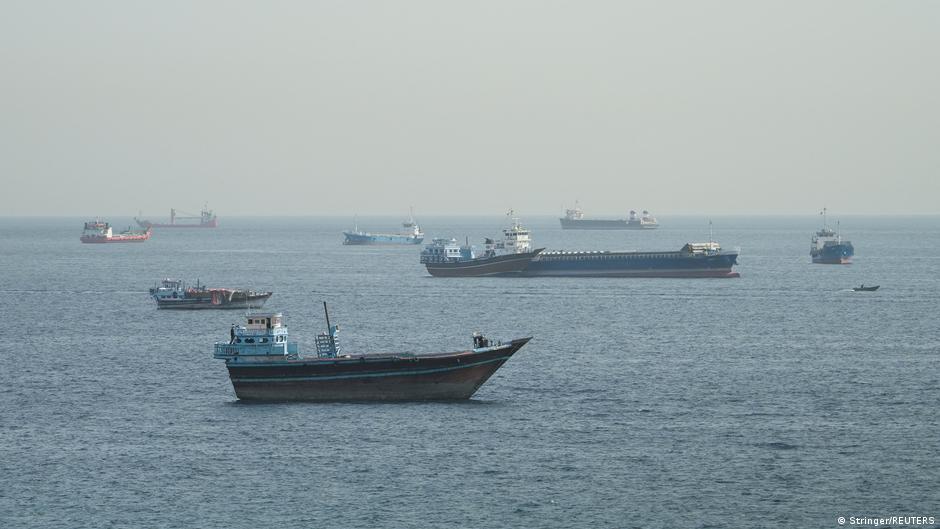
In the last three weeks, the US Central Command (CENTCOM) has covertly facilitated the transit of approximately 70 commercial vessels through the Iran-blocked Strait of Hormuz, according to reports from anonymous US officials. This strategic move aims to maintain critical maritime supply routes amid escalating tensions and restricted passage imposed by Tehran.
Implications for Global Supply Chains and Household Budgets
The Strait of Hormuz is a vital maritime chokepoint through which a significant portion of the world's oil supply passes. The blockade and restrictions imposed by Iran have severely reduced the number of vessels transiting the waterway—from over 100 commercial ships daily before February 28 to only about three currently. This disruption has contributed to volatility in oil and commodity prices, directly affecting household expenses and savings worldwide.
Many of the vessels aided by the US reportedly navigated with their transponders switched off to avoid detection, reflecting the high risks of passage near Iranian waters. The US has refrained from publicly promoting this assistance to minimize the likelihood of Iranian attacks on these ships.
“The US has quietly helped commercial vessels traverse the Strait to avoid Iranian aggression, ensuring critical supply routes remain open despite tensions.”
Notably, the US President paused a previously announced "Freedom Project" operation designed to escort ships through the Strait but continued to support passage informally without naval escorts.
Most ships still opt to coordinate their transit with Iranian authorities. Data from maritime analytics firm Kpler shows that out of 895 passages from March 1 to May 19, over half followed authorized Iranian routes, while about 40% traveled via "dark" or unregistered routes.
This maritime standoff continues to exert pressure on energy markets and shipping costs, factors that ripple down to consumers through increased fuel prices and supply chain delays. Everyday investors and households may feel the effects in higher gasoline prices, increased shipping costs for goods, and potential currency fluctuations driven by geopolitical uncertainty.
Diplomatic efforts appear to be underway, with reports indicating preliminary agreements between US and Iranian negotiators toward ending hostilities. However, US leadership insists on stringent conditions, including Iran’s renunciation of nuclear weapons development, before fully endorsing any deal.
Until a definitive resolution is reached, the covert US operations enabling safe passage through the Strait of Hormuz demonstrate a strategic balance aimed at preserving global trade flows and mitigating further economic disruptions that could impact consumers globally.