Kyiv Strikes Raise Fresh Budget Risks for Ukrainian Households
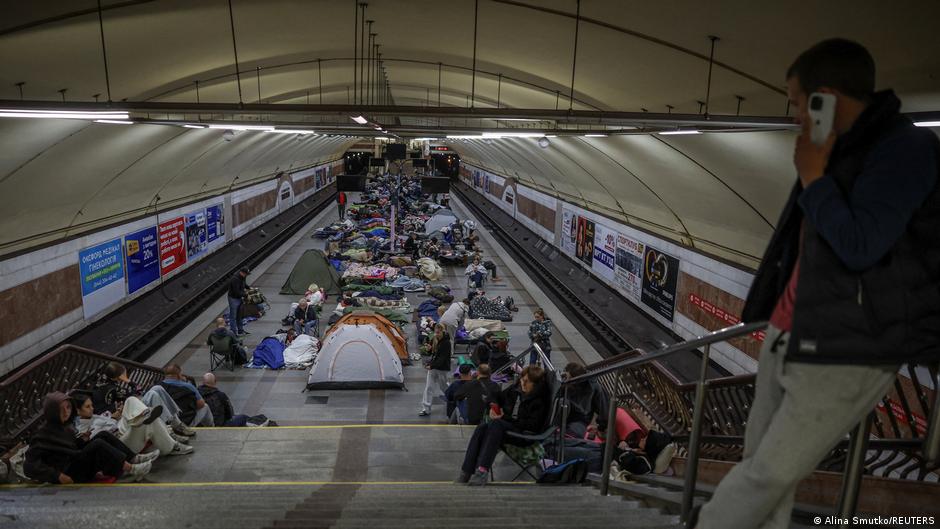
Russian strikes on Kyiv damaged homes, cars, garages and businesses, raising fresh financial pressure for households and local firms.

Russian strikes on Kyiv damaged homes, cars, garages and businesses, raising fresh financial pressure for households and local firms.

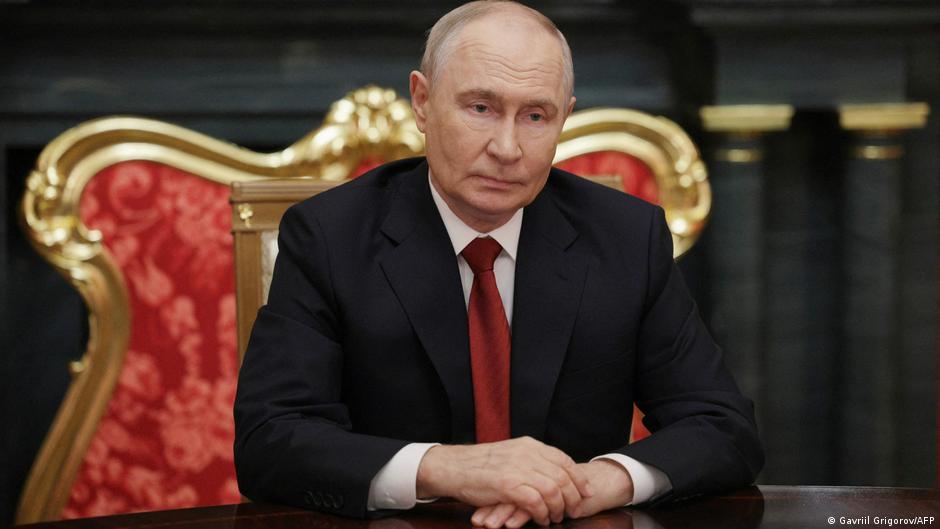
Putin backed using medically unfit volunteers for rear-area drone defense, adding financial uncertainty for Russian households and savers.

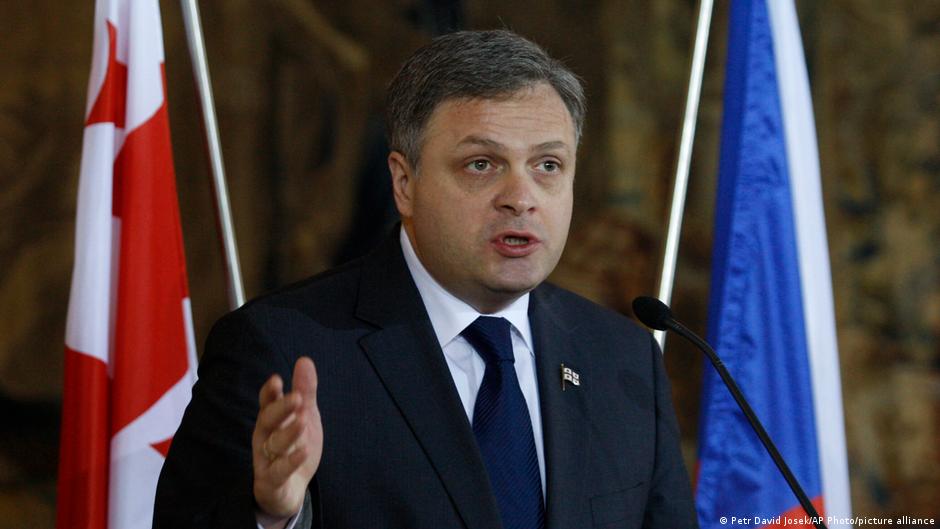
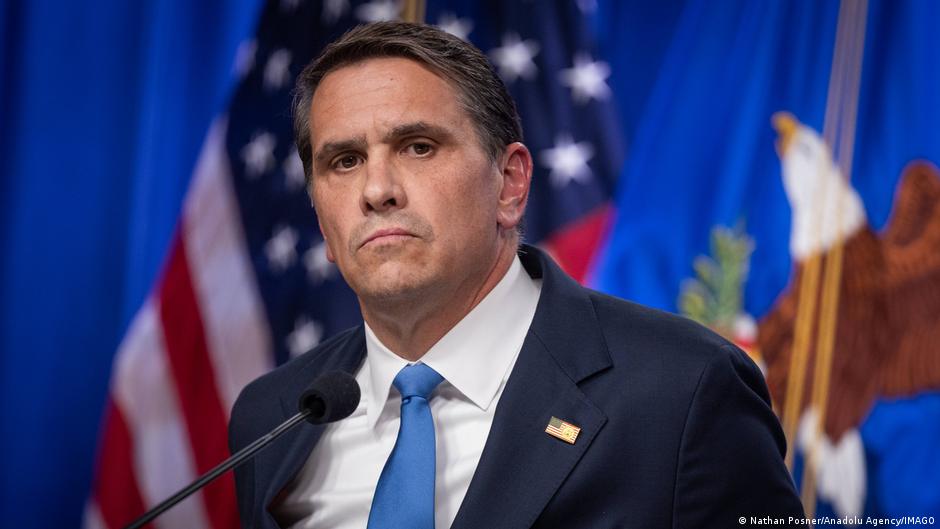
Ukraine’s anti-corruption agencies searched the prosecutor general’s office in a probe into alleged protection of scam call centers.

Volkswagen approved a major overhaul with about 50,000 planned job cuts, a slimmer model range and big profit targets, raising stakes for workers and investors.

Putin said chances for peace exist, while Zelenskyy said U.S. envoys will visit Kyiv and Moscow, reviving focus on the war’s impact on budgets and markets.

A decade of Uzbek reforms changed taxes, licensing and currency access, with knock-on effects for household budgets, jobs and small investors.

Putin says Armenia’s EU accession push would effectively mean quitting the EAEU, raising questions for trade, prices and investor confidence.

Foreign investment in Germany rose to 86 billion euros in 2025, with British firms gaining ground as U.S. investment fell sharply.

A reported U.S. warning to Russia points to prolonged sanctions pressure, with potential effects on currencies, prices, savings and investor risk.

The detention of Russian blogger Ilya Remeslo amid political repression raises concerns about economic instability and impacts on household finances, savings, and currency confidence.

The U.S. has removed Syria from its terrorism sponsor list, opening new economic opportunities with potential impacts on currencies, investments, and household finances worldwide.

The EU pledges ongoing support to Ukraine amid conflict, maintaining sanctions on Russia that affect European household budgets, currency markets, and investors.

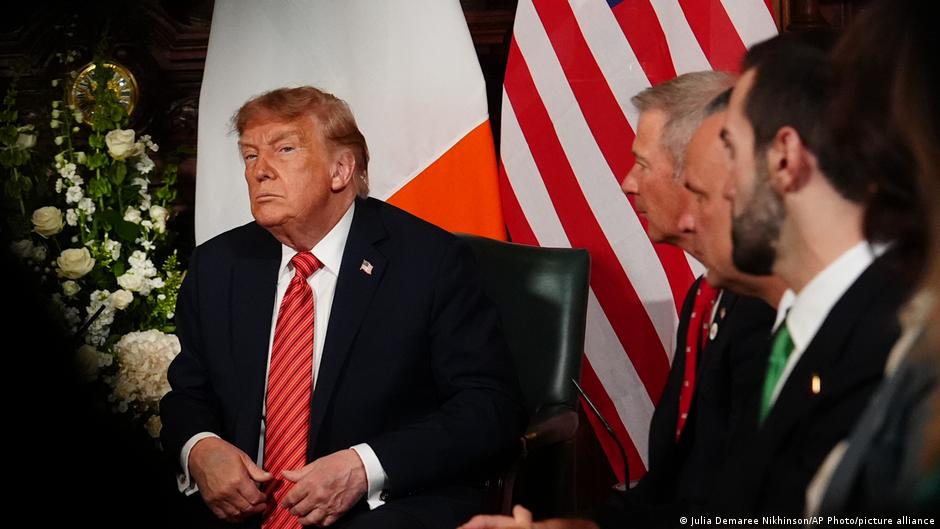
The US Supreme Court permits President Trump to continue White House renovations, including a ballroom and bunker, with potential impacts on government spending and household finances.

Finland summons Russian ambassador after an Il-20 spy plane briefly entered its airspace, raising concerns that may impact regional economic stability and household finances.

Hundreds of Ukrainian soldiers have deserted military training in Germany since 2022, creating financial uncertainty for families dependent on remittances and affecting currency stability.

Latvia has published a list of 170 firms still trading with Russia and Belarus despite the Ukraine war, affecting consumer choices and investor confidence.

Serbia plans early parliamentary elections in October 2023 amid protests and political uncertainty, raising concerns about impacts on household finances and investor confidence.

Kyiv missile attacks cause fatalities and damage residential and medical buildings, impacting household budgets and raising concerns for everyday financial security.

Former Ukrainian Defense Minister Mikhail Fedorov urges elections during wartime, highlighting key challenges impacting household finances and economic confidence.

Russia considers barring emigrants labeled as foreign agents from voting, affecting expatriates' political rights and financial ties with the homeland.

Protests in Kyiv demand the return of Mykhailo Fedorov as defense minister, raising concerns about political stability and reforms impacting household finances and currency stability.

Jared Kushner's talks with Hamas highlight persistent Middle East tensions that could impact currencies, inflation, and household finances worldwide.

Geopolitical tensions between Qatar and Iran threaten currency stability and consumer costs, impacting household budgets and everyday investors in the Gulf region.

Support for Germany’s CDU/CSU falls to a five-year low, raising concerns about economic stability and consumer confidence ahead of regional elections.

Recent Russian airstrikes in Kramatorsk caused casualties and damaged residential buildings, raising concerns over household safety and economic stability for local consumers and investors.

War crimes allegations amidst the Ukraine conflict intensify economic uncertainty, impacting household budgets, currency stability, and everyday investors' confidence.

The strike on Russian warships and infrastructure in Novorossiysk disrupts regional energy and grain exports, impacting household budgets and consumer prices.

Germany faces rising drone incidents near military bases, prompting increased defense spending that could impact household budgets and economic stability.

Turkey's reopening of its straits to shipping after temporary restrictions affects Black Sea trade routes, impacting commodity prices and household budgets globally.

Two civilian aircraft were intercepted near Trump's New Jersey golf club due to temporary flight restrictions, highlighting financial impacts on private pilots and local economies.

Germany faces growing hybrid warfare threats, including drone attacks, impacting national security and posing risks to household budgets, savings, and investor confidence.

US missile supplies are strained by aid to Ukraine, prompting concerns about increased defense spending and potential impacts on household budgets and consumer finances.

The August 1 explosion in a Moscow restaurant highlights severe personal and financial consequences for victims’ families, affecting household budgets and investor confidence.

Ukraine's 40-day operation against Russian energy infrastructure disrupts fuel supplies, raising global prices and impacting household budgets and investors worldwide.

Over 8.4 million Ukrainians live abroad due to ongoing conflict, impacting household finances, savings, currency stability, and investment prospects within Ukraine.

Gulagu.net pauses amid legal and security pressures, highlighting risks to personal security, assets, and financial stability that impact Russian households and investors.

NATO's plans to expand nuclear deterrence in Europe could influence household budgets and market stability amid rising geopolitical tensions.

The US-declared Hamas disarmament deal signals potential easing of Middle East tensions, likely impacting global currencies, commodity prices, and investment markets.

Greece’s surge in Schengen visa denials for Russians disrupts travel plans, straining household budgets and increasing financial costs for trips amid tightened EU visa policies.

Jay Clayton's confirmation as US National Intelligence Director raises questions about potential impacts on financial markets and household economic stability amidst political divisions.

The US Senate advances sanctions bill imposing steep tariffs on Russian imports, potentially raising prices and affecting household budgets and investments.

Austria plans to extend mandatory military service to nine months and increase conscript pay, impacting household incomes, savings, and government spending.

President Zelensky's Washington visit coincides with Senate moves to expand Russia sanctions, affecting household budgets and investment risks amid geopolitical tensions.

Drone strikes in Russian border regions cause civilian casualties and property damage, adding financial strain to households and local economies.

The UK’s transfer of rights for the Stone Cloak electronic warfare system to Ukraine affects defense innovation and has broader implications for household budgets and currency stability.

Ukraine warns Russia plans to expand military mobilization in 2026, including North Korean troops, raising economic risks for Russian households, savings, and currency stability.

Germany seeks to secure Ukraine’s advanced drone technologies through a government deal, impacting defense spending, currency stability, and investment opportunities.
Montenegro will end visa-free travel for Russian and Belarusian citizens from November 1, 2026, raising travel costs and affecting household budgets and investments.

Eleven nights of US strikes on Iran disrupt key oil routes, pushing energy costs higher and affecting household budgets and investor confidence globally.

The US has imposed 50% tariffs on Canadian imports, raising prices on goods like wine and cement, which may increase costs for American households and affect everyday investments.