Ukraine's Zelensky Engages US Envoys in Diplomatic Push Amid Ongoing Conflict

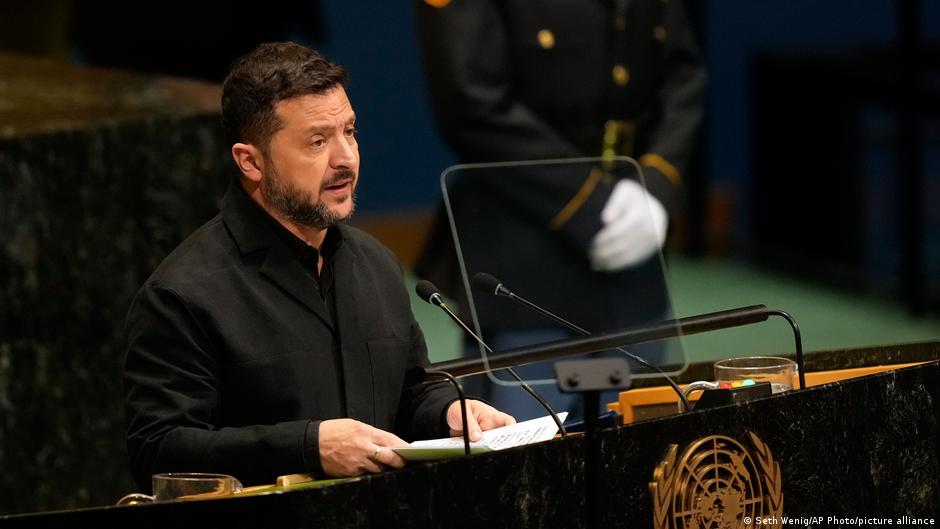
President Zelensky's positive talks with US envoys highlight ongoing efforts to end the Ukraine war, affecting household budgets and financial markets worldwide.

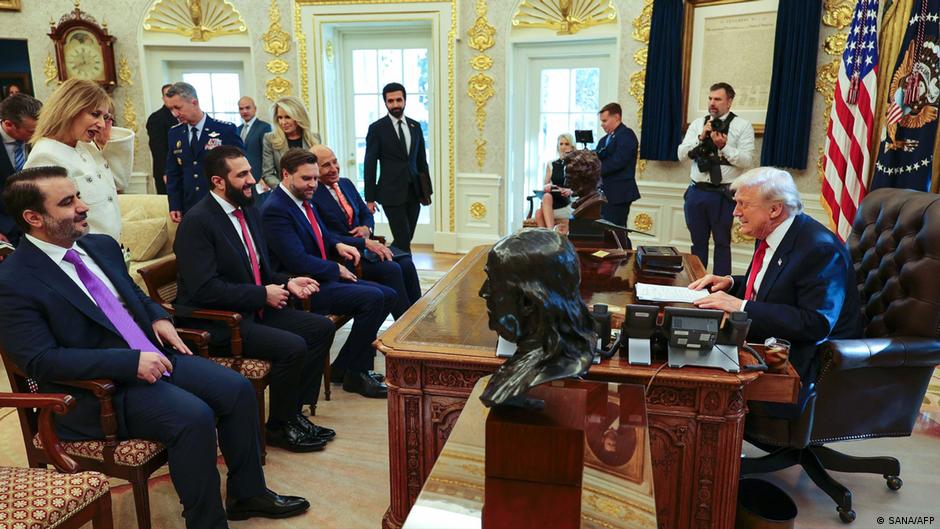
President Zelensky's positive talks with US envoys highlight ongoing efforts to end the Ukraine war, affecting household budgets and financial markets worldwide.

US Treasury extends deadline for Hungarian MOL to finalize deal acquiring majority stake in Serbia’s Naftna Industrija Srbije amid sanctions on Gazprom.

Repeated drone strikes over Kyiv disrupt daily life and threaten household finances, with impacts on incomes, savings, and currency stability amid ongoing conflict.

Ukraine apologized to Greece after an explosive naval drone was found near Lefkada, highlighting risks to regional maritime safety and energy supply chains impacting household budgets.

Georgia arrests Russian woman on FBI request for sanctions evasion, highlighting risks to international trade, currency stability, and household finances.

The US House approved sanctions on Russia and aid to Ukraine, with potential impacts on household budgets, currencies, and investment markets worldwide.

Russia may face decades of conflict, impacting household budgets, savings, currency stability, and daily life due to economic shifts and infrastructure disruptions.

Drone attacks near St. Petersburg disrupt flights and raise economic concerns for Russian households, affecting travel, currency stability, and local investor confidence.

The US has secretly aided about 70 commercial ships through the Iran-blocked Strait of Hormuz, easing supply chain pressures and influencing consumer costs worldwide.

The US missile strike on a ship bound for Iran disrupts trade in the Strait of Hormuz, risking higher oil prices and impacting household budgets and savings globally.

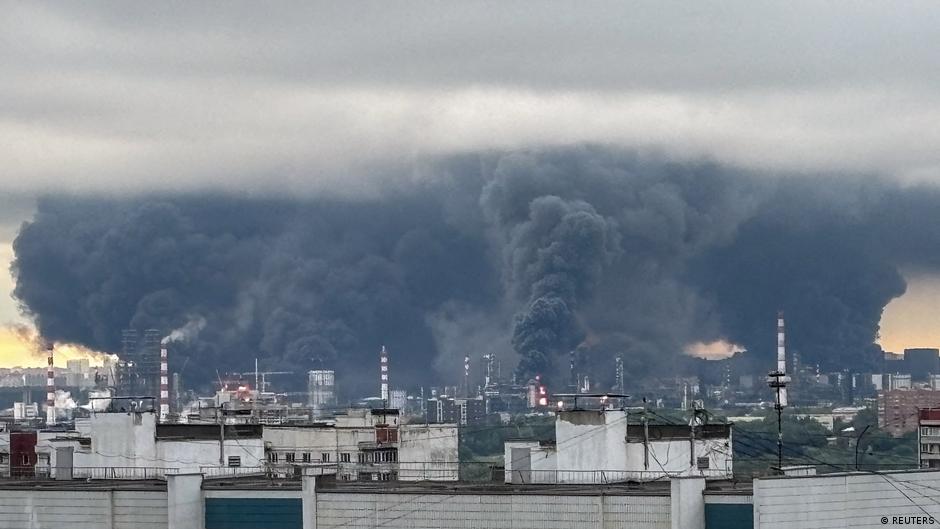
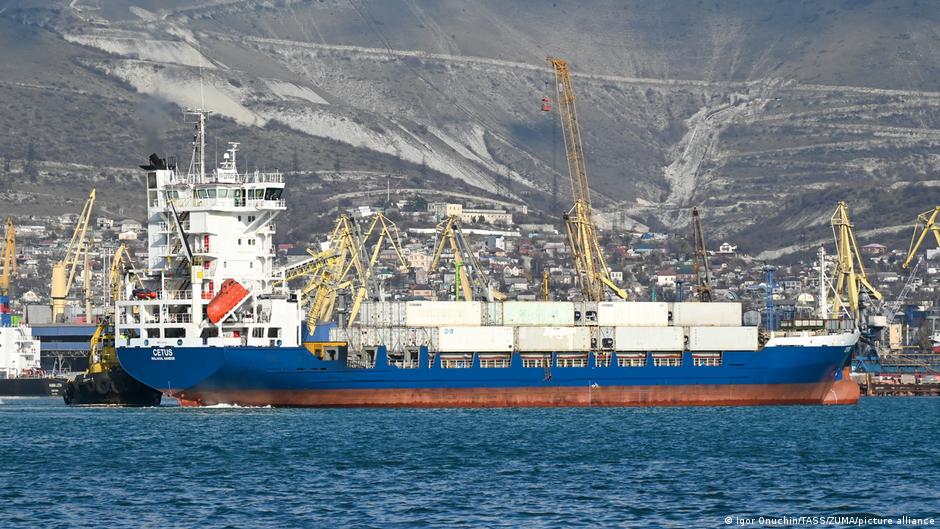
Drone strikes on oil facilities in Russia's Rostov and Saratov regions have sparked fires and damaged infrastructure, posing risks to fuel supply and household budgets.

Putin warns Armenia of tariff hikes and work restrictions if it leaves the Eurasian Economic Union, threatening household budgets and economic ties.

North Korea's missile tests heighten geopolitical risks, impacting currency stability, commodity prices, and everyday household finances worldwide.

US military strikes on Iran escalate geopolitical tensions, risking volatility in markets and currencies that affect household budgets, savings, and consumer costs globally.

Renewed Russian missile strikes on Kyiv intensify economic uncertainty, impacting Ukrainian household budgets, savings, and investor confidence amid ongoing conflict.

The EU-Mexico trade deal removes tariffs and trade barriers, potentially lowering consumer prices and opening new investment opportunities for households and everyday investors.

Western condemnation of Israel’s treatment of Palestinian activists highlights risks to currency stability and household finances amid rising geopolitical tensions.

The UK government has authorized indefinite imports of diesel and kerosene refined from Russian crude via third countries to ease rising fuel prices impacting households.

Russian attacks on Ukrainian energy and port infrastructure threaten household budgets by disrupting supplies and increasing costs for consumers.

Drone and missile attacks in Odessa and Dnipro caused injuries and property damage, impacting household budgets, emergency expenses, and local economic stability.

Donald Trump’s discussions with China over Jimmy Lai’s harsh prison sentence highlight ongoing US-China tensions impacting currency stability and global markets.

Trump's Beijing meeting with Xi Jinping signals potential easing of trade tensions and energy conflicts, with important effects on consumer prices and currency stability.

Uzbekistan's rising meat imports amid slowed domestic production are driving higher prices that increase household food expenses and strain budgets.

Ukraine imposes sanctions on Russian defense-linked companies and individuals, extending restrictions that may impact household finances and investor confidence.

Ukraine’s recent military gains against Russia signal regional shifts affecting currency stability, energy prices, and household budgets amid ongoing conflict.

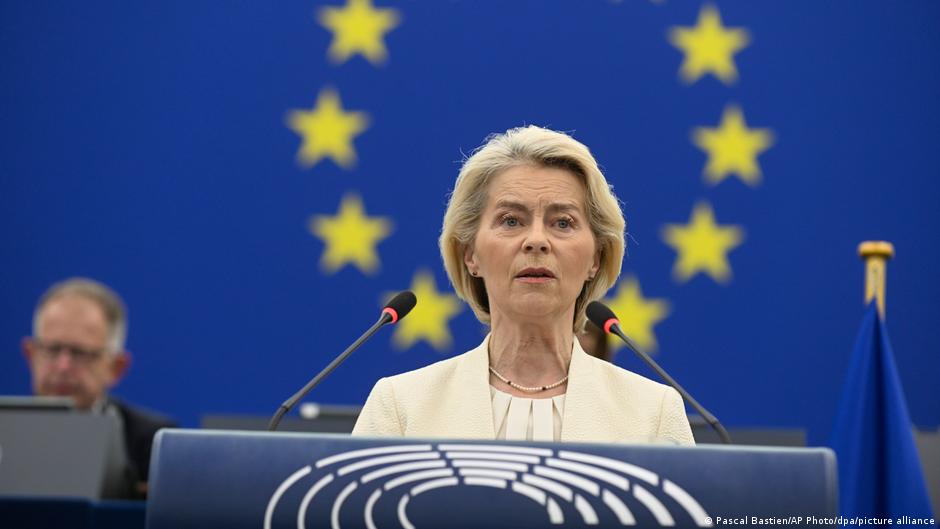
Germany is considering President Steinmeier to represent the EU in potential peace talks with Russia, a move that could influence European markets, currencies, and household finances amid the Ukraine conflict.

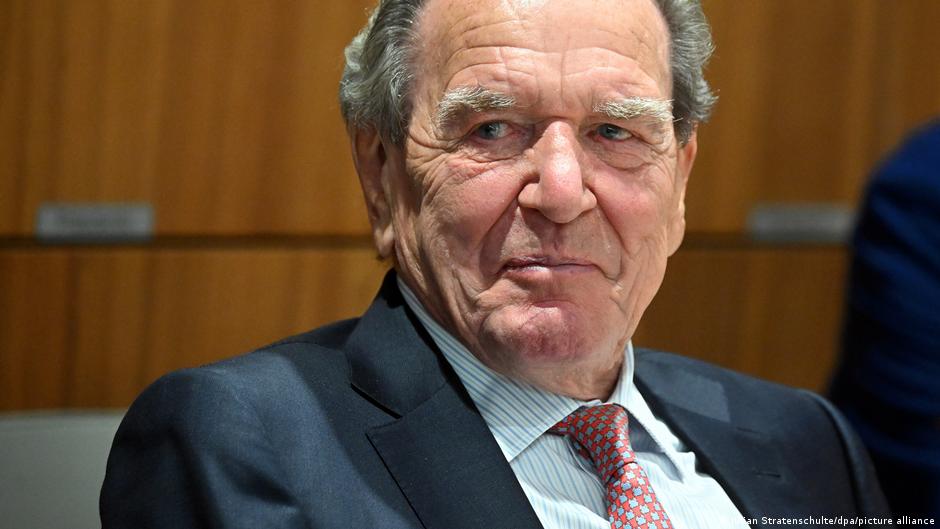
Putin names former German Chancellor Schröder as preferred EU negotiator in Ukraine talks, potentially impacting energy prices, currencies, and household budgets across Europe.

The brief ceasefire between Russia and Ukraine involves troop rotations and ongoing skirmishes, impacting regional economies, currency stability, and household financial security.

EU leaders prepare for potential talks with Russia, a move that could ease inflation and currency volatility affecting European households and investors.

Iran's new vessel declaration rules for the Strait of Hormuz may increase shipping costs, impacting global fuel prices and household budgets worldwide.

Despite a proposed ceasefire, Russian attacks continue across Ukraine, intensifying economic uncertainty that affects household budgets, savings, and currency stability.

The UK plans to join the EU's €90 billion loan program for Ukraine, impacting household budgets, currencies, and investment opportunities amid new sanctions on Russia.

Renewed Russian drone attacks in Ukraine disrupt energy infrastructure and civilian areas, raising concerns about rising utility costs and economic stability for households and investors.

Italy and Germany express concern as Israel halts Gaza aid flotilla, highlighting potential impacts on household budgets, currency markets, and consumer costs worldwide.

German CEO pay has surged 56% since 2019 while real wages for workers have declined, intensifying financial pressures on households amid rising inflation and economic uncertainty.

Israel's naval blockade halts humanitarian aid to Gaza, deepening economic pressures on household budgets, currency stability, and consumer markets in the region.

The resignation of the US acting envoy in Ukraine amid diplomatic tensions raises risks of aid disruption, impacting currencies, inflation, and investment stability for households and investors.

Israel's acceptance of a Russian ship with allegedly seized Ukrainian grain has raised diplomatic tensions, with implications for global grain markets and household food costs.

US halts envoy travel to Pakistan for Iran talks, shifting to phone diplomacy amid strategic confidence, impacting energy markets and household budgets.

Russian drone attacks on Odessa damaged homes and infrastructure, injuring 13 and straining household finances amid ongoing conflict-driven economic disruption.

The US Treasury will not extend exemptions allowing purchases of Russian and Iranian oil at sea, potentially raising energy prices and affecting household budgets globally.

Drone strikes in Odessa damage homes and injure civilians, creating financial burdens and economic uncertainty for local households amid ongoing conflict.

Tashkent's 2025 market profits shift, with some farmers' markets thriving and others declining, influencing household budgets and local investments.

Russian intimidation of German defense firms involved in Ukraine arms supplies raises cyber and security risks, impacting investors, supply chains, and household finances.

Flight cancellations and rising jet fuel prices are expected to increase travel costs and impact household budgets and investments across Europe and beyond.

Drone attacks on Russian oil depots caused fires that may disrupt fuel supplies, affecting household energy costs and market stability.

The Trump administration wants GM, Ford and other manufacturers to help produce weapons, echoing WWII-era industrial mobilization.