Russian Missile Strikes in Kyiv and Kharkiv Cause Civilian Casualties and Infrastructure Damage
Recent attacks on Ukrainian cities result in fatalities, power outages, and damage to residential buildings, impacting household budgets and local economies.
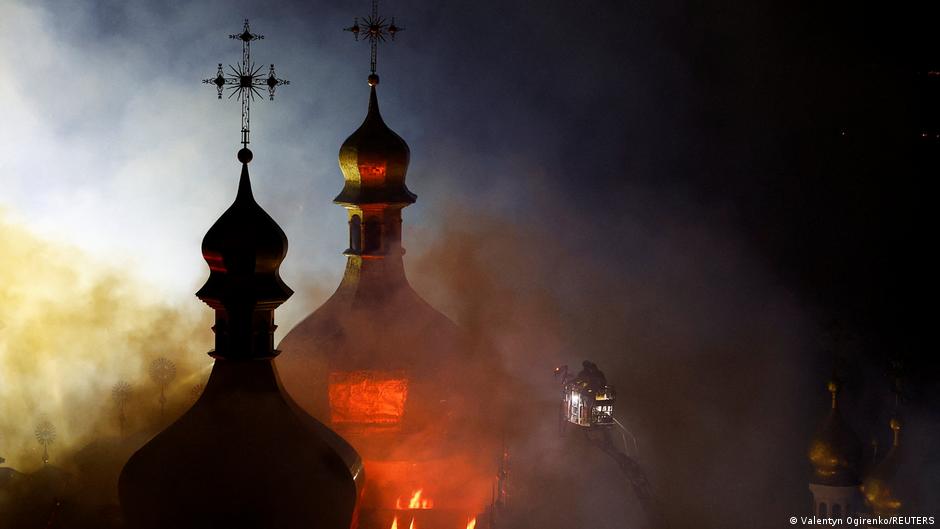
Russian missile attacks on Ukrainian cities Kyiv and Kharkiv overnight on June 15 have caused fatalities, significant property damage, and widespread power outages, creating new economic challenges for households and investors in the region.
Impact on Households and Local Infrastructure
In Kyiv, four civilians died and 25 were injured after multiple missile strikes hit residential areas, including five- and nine-story apartment buildings across several districts. Notably, a partial collapse occurred in a residential building in the Obolon district. Besides the tragic loss of life, damage to homes and infrastructure has forced thousands of residents to face urgent repair costs and disrupted daily living conditions.
The attack also severely affected the Kyiv-Pechersk Lavra, a historic UNESCO World Heritage site. A fire broke out on the roof of the Uspensky Cathedral, the complex's main church, causing further cultural and architectural loss. The repeated damage to this landmark, which has been previously hit multiple times since the conflict escalated, underscores the long-term cost to Ukraine’s cultural capital.
Electricity infrastructure was also targeted, with high-voltage power lines damaged in northern Kyiv. Approximately 140,000 residents lost power, exacerbating the strain on household budgets as people face higher costs for alternative energy sources or have to manage without electricity for essential appliances and heating.
“The destruction of residential buildings and loss of power supply directly affects families, adding unexpected financial burdens and complicating everyday life.”
In Kharkiv, five rescuers died and at least five more were injured while responding to fires caused by missile strikes. The loss of emergency personnel further limits the city’s ability to respond to ongoing threats and repair damage swiftly, prolonging the disruption to community services and safety.
Broader Financial and Consumer Implications
These military actions add layers of uncertainty and risk to Ukraine’s consumer markets. Property damage and infrastructure loss mean that many families will need to divert savings toward rebuilding and repairs. The disruption of power and services increases reliance on costly alternatives, stretching household budgets thin.
Additionally, the destruction of cultural sites like the Kyiv-Pechersk Lavra can dampen tourism potential, a sector critical for local economies and investment. The repeated targeting of heritage sites also raises concerns for potential investors wary of instability and risk in the region.
On a macroeconomic level, these attacks contribute to currency volatility and inflation, as supply chains for goods and services are interrupted. For everyday investors and savers, the conflict heightens financial unpredictability, making it more challenging to plan for the future or protect assets against devaluation.
As the conflict continues, the economic toll on ordinary Ukrainians is expected to rise, emphasizing the need for comprehensive support systems and international financial aid to mitigate the human and economic impact of ongoing hostilities.