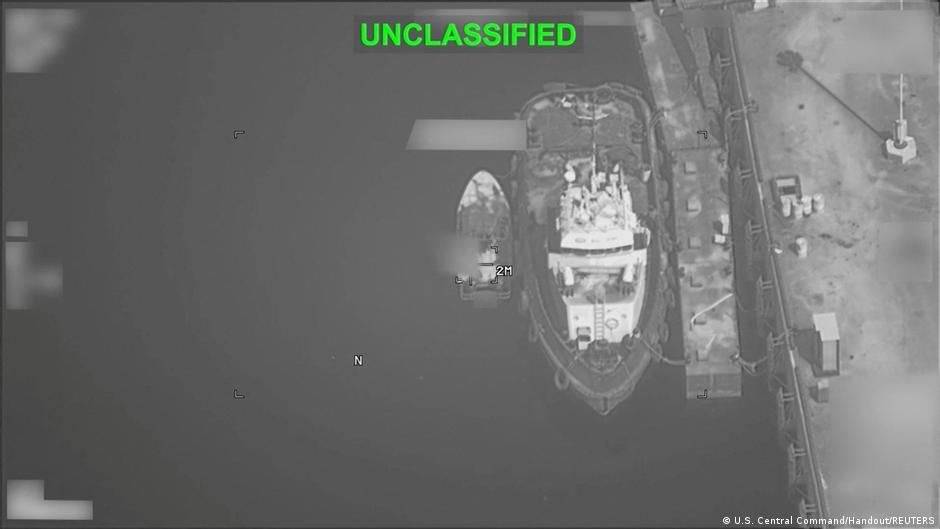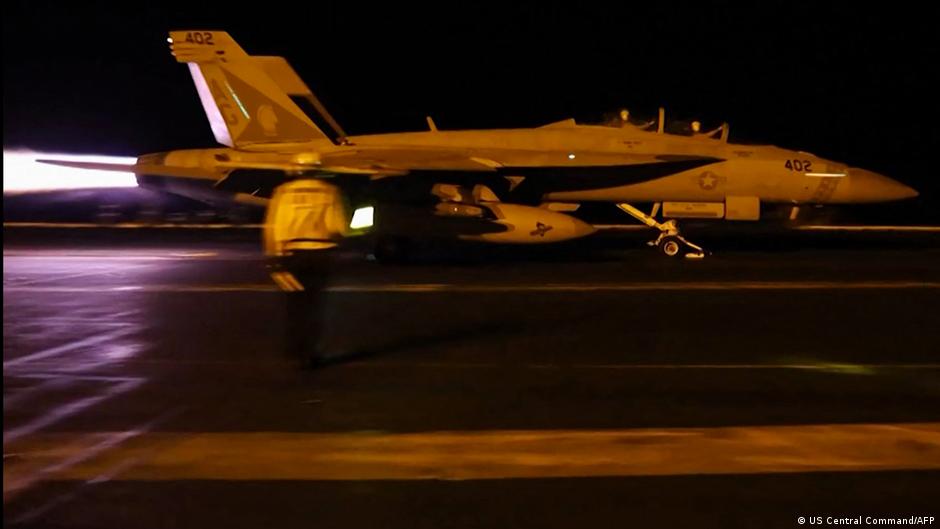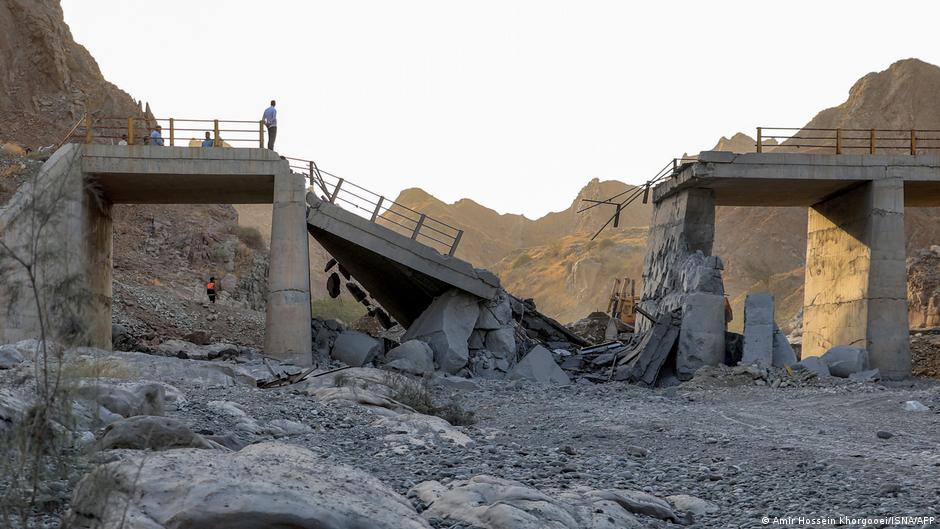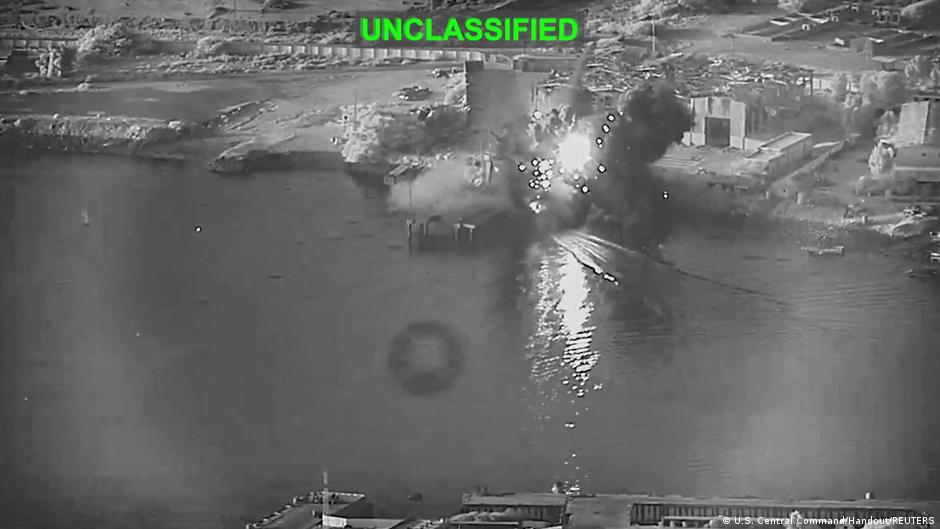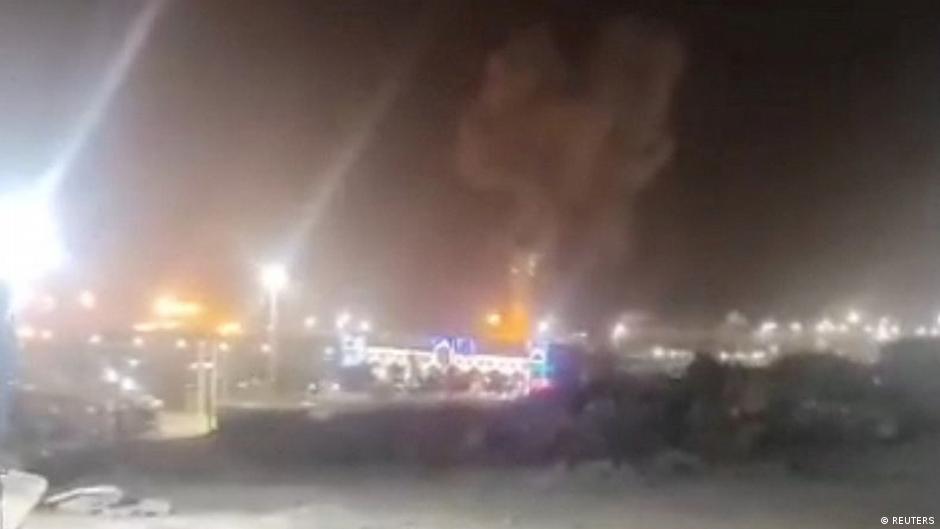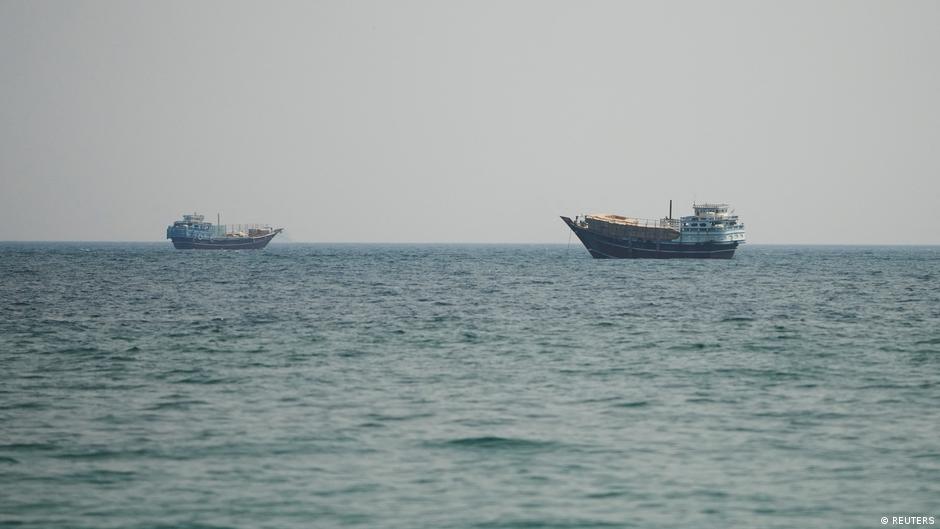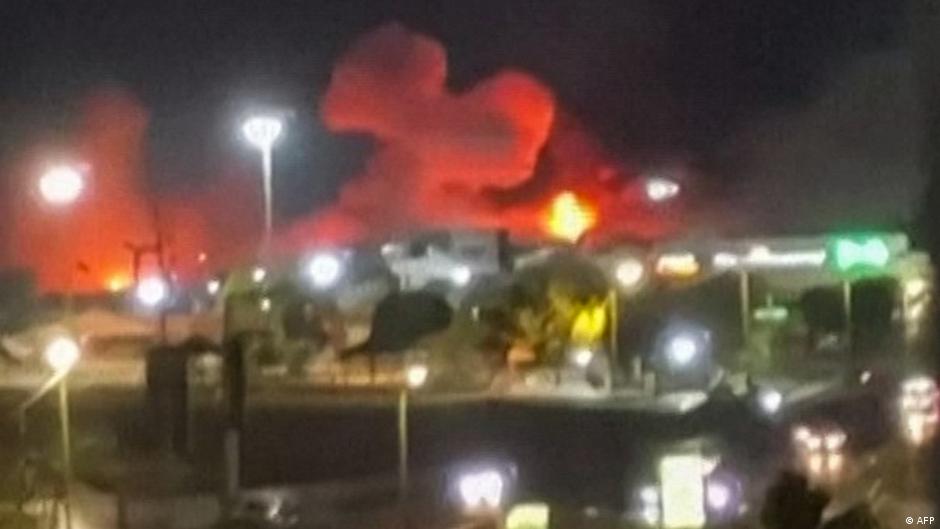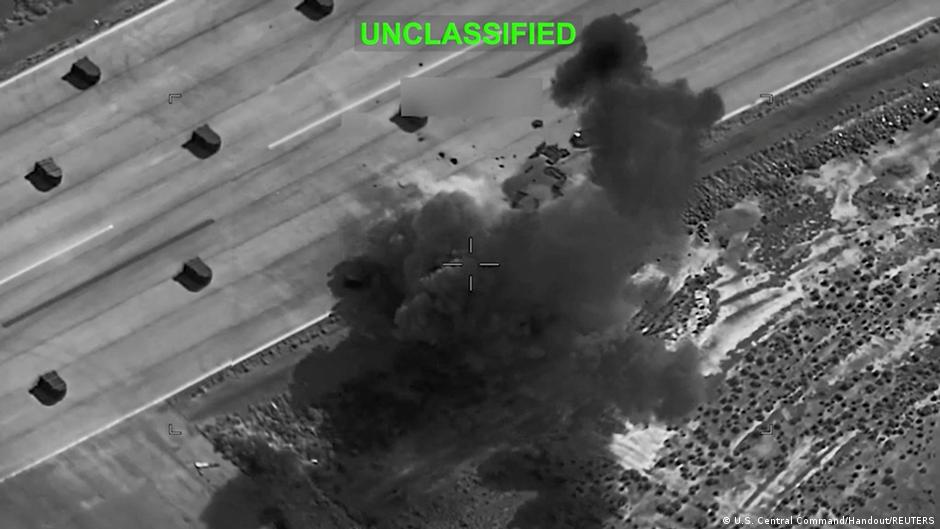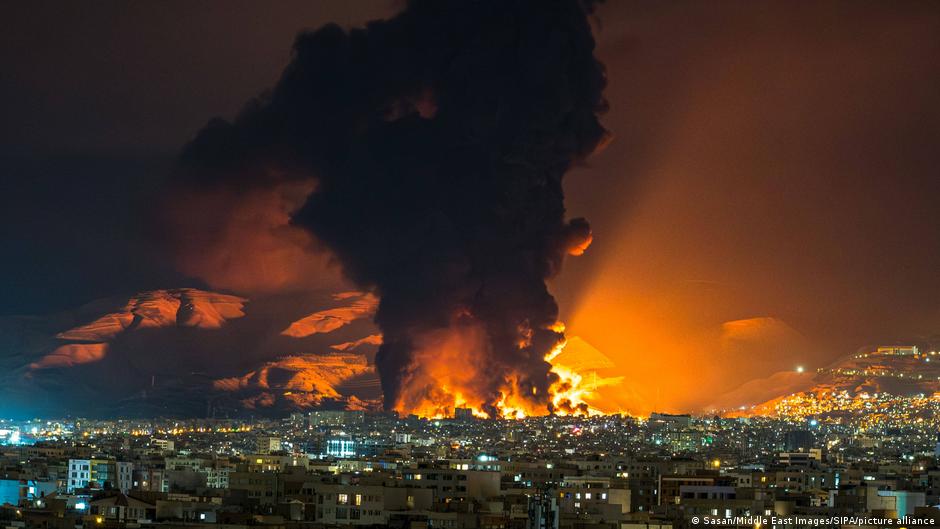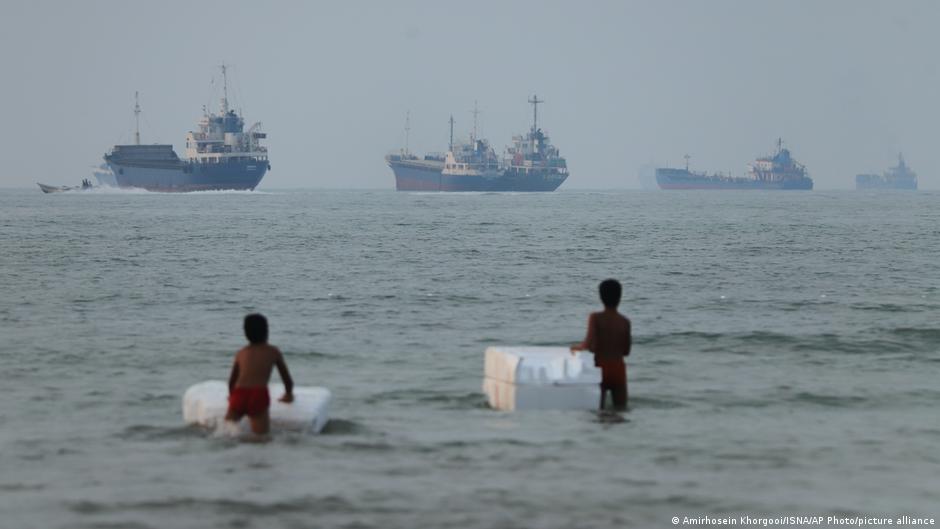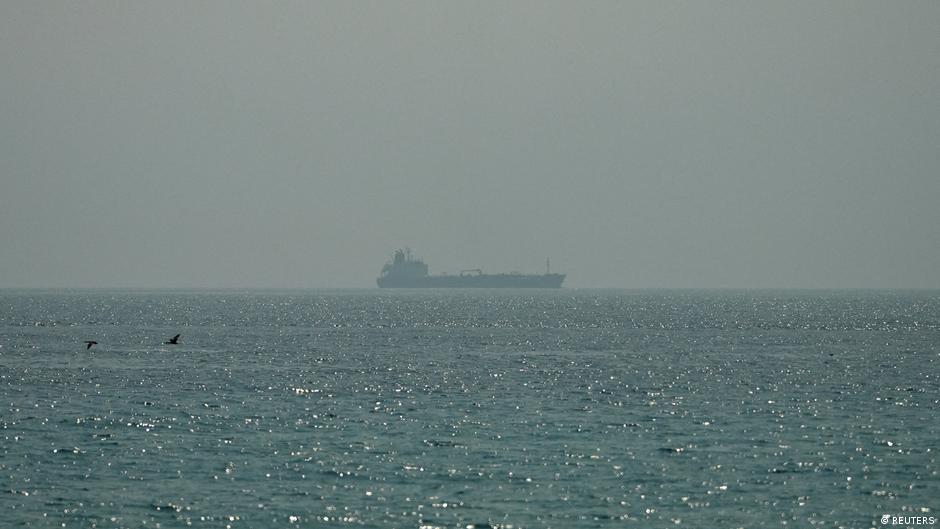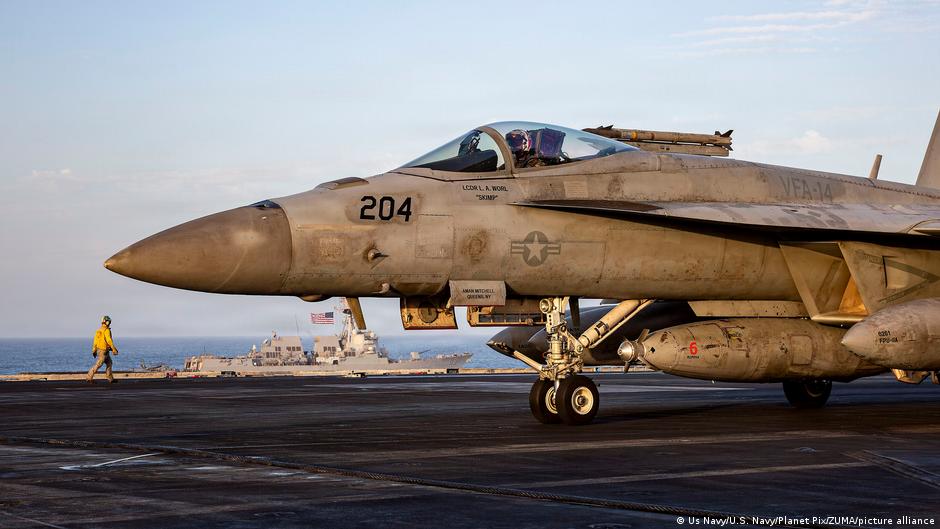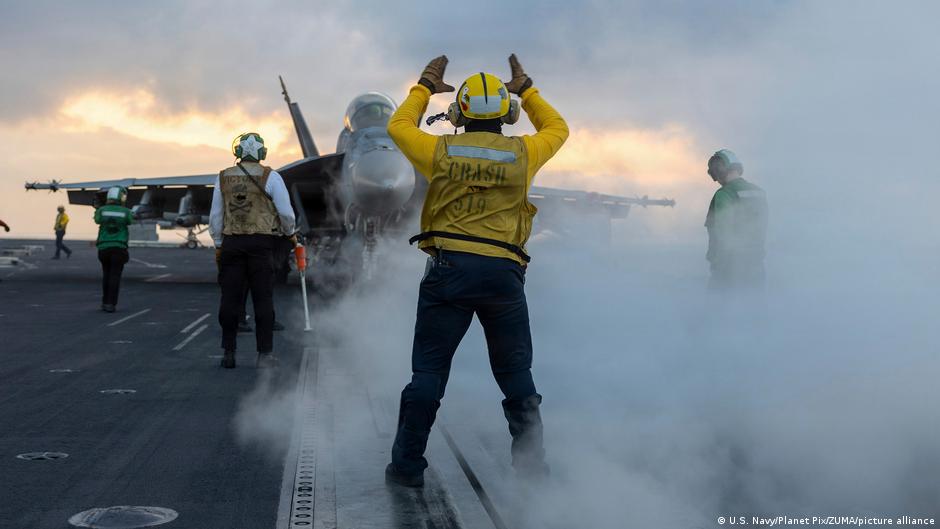
U.S. Says It Destroyed Five Iranian Oil Tankers After Missile Attacks
U.S. strikes on Iranian oil tankers raise new questions for fuel prices, inflation risks, currencies and small investors watching Gulf tensions.

U.S. strikes on Iranian oil tankers raise new questions for fuel prices, inflation risks, currencies and small investors watching Gulf tensions.

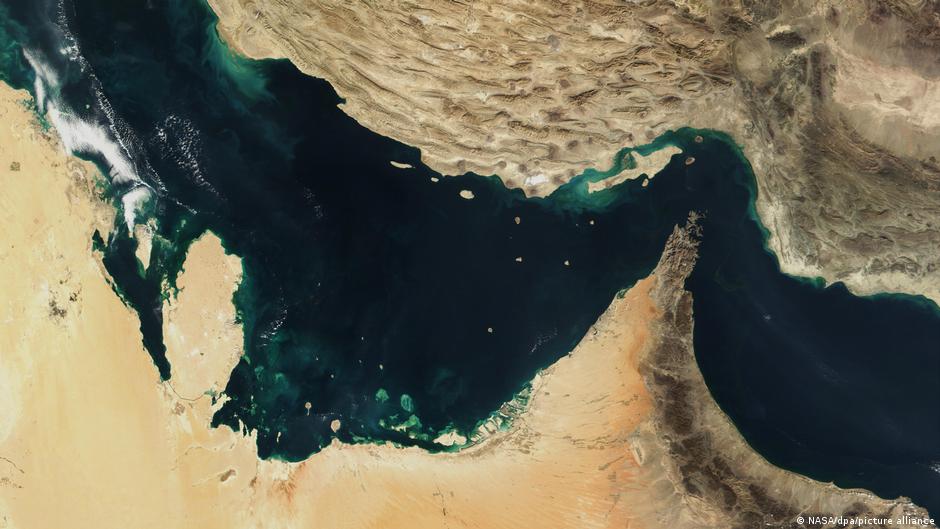
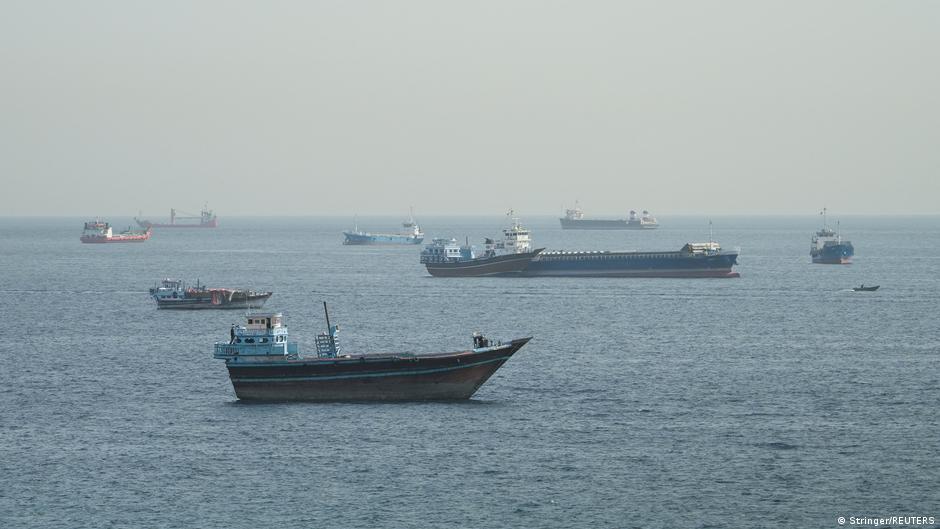
Rising tensions in the Strait of Hormuz threaten oil supply stability, potentially driving up fuel costs and affecting household budgets and investments globally.

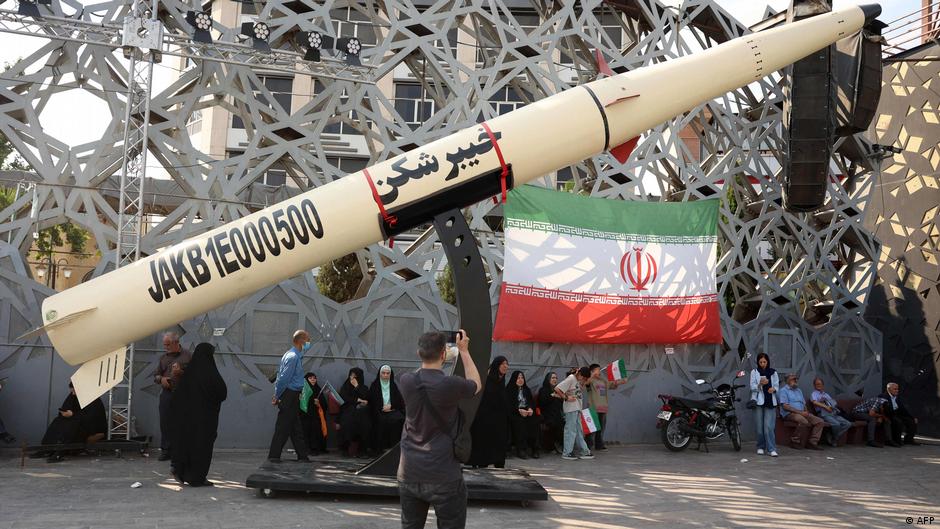
Geopolitical tensions between Qatar and Iran threaten currency stability and consumer costs, impacting household budgets and everyday investors in the Gulf region.

The US plans to declare the Strait of Hormuz as its territory, potentially raising energy prices worldwide and impacting household budgets due to ongoing military tensions with Iran.

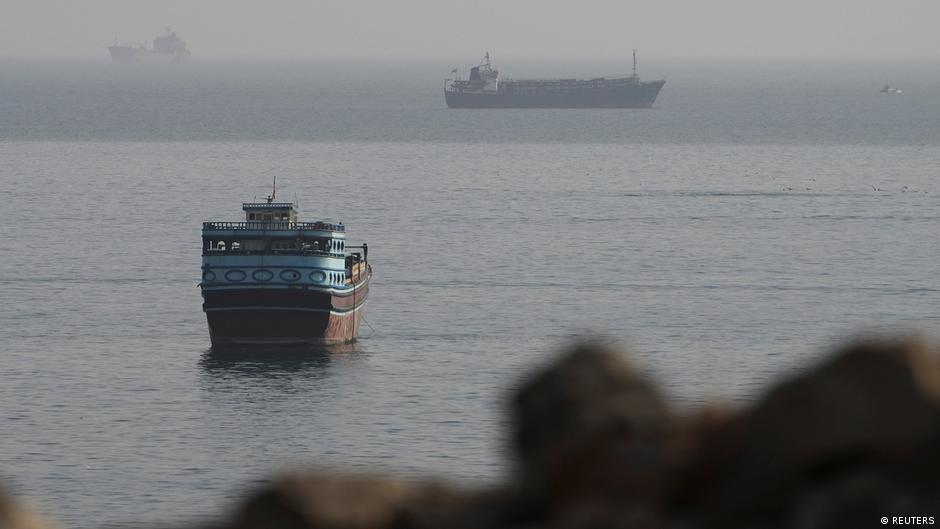
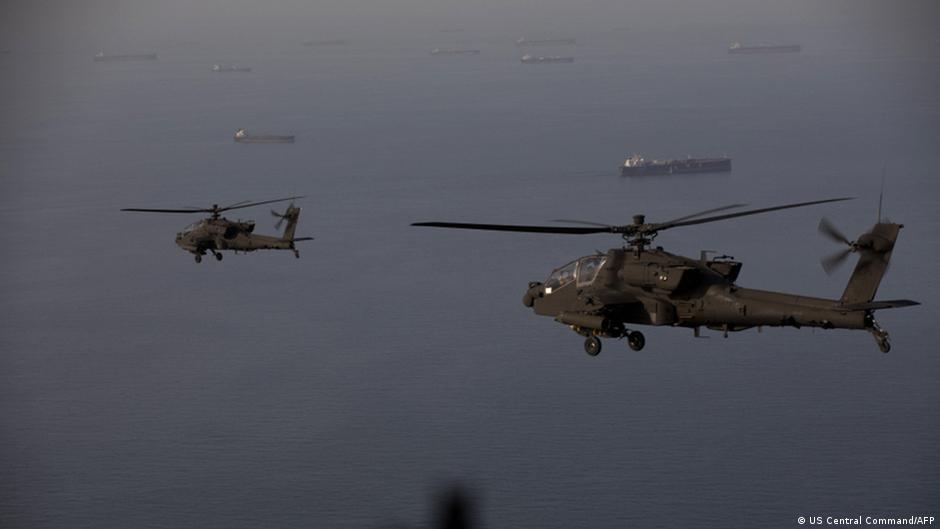
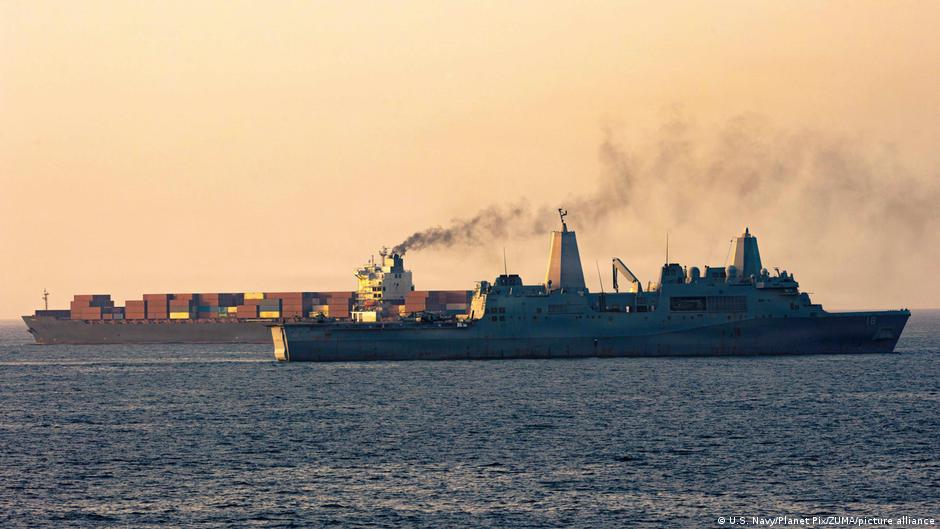
US missile strike disables Iranian-bound cargo ship amid blockade enforcement, potentially raising fuel and shipping costs and impacting consumer budgets globally.

US-Iran talks resume August 3 as military strikes are postponed, affecting oil prices, currencies, and household budgets globally amid ongoing geopolitical tension.

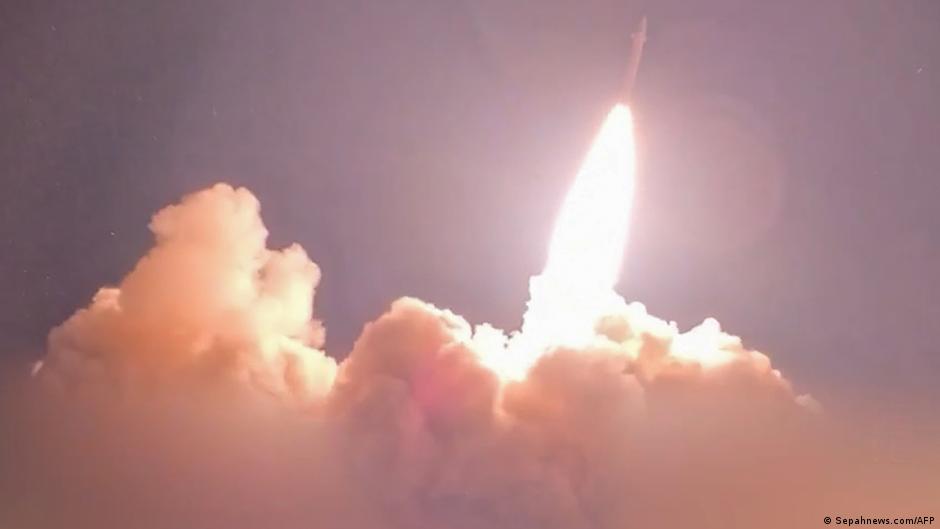
US intercepts Iranian missiles amid Middle East tensions, threatening global energy prices and impacting household budgets and savings worldwide.

Iran’s Revolutionary Guard attacked an oil tanker near the Strait of Hormuz, threatening global oil supplies and raising fuel prices, impacting household budgets and investors worldwide.

Eleven nights of US strikes on Iran disrupt key oil routes, pushing energy costs higher and affecting household budgets and investor confidence globally.

US strikes on Iran enter the tenth day, risking global energy supply disruptions that could raise fuel prices and strain household budgets and investor portfolios worldwide.

US military deaths in the Iran conflict rise, increasing geopolitical risks that affect household budgets, currency markets, and investment decisions.

US-Iran conflict intensifies with nine nights of US strikes and Iranian retaliation, disrupting energy flows through the Strait of Hormuz and impacting global fuel prices.

US strikes on Iran's infrastructure heighten risks of oil supply disruptions, driving up energy costs and impacting household budgets and investors worldwide.

U.S.-Iran military clashes threaten to raise energy prices, impacting consumer costs, household budgets, and currency stability for everyday investors worldwide.

The US is negotiating to restore an Iraq-Syria oil pipeline to bypass the Strait of Hormuz, aiming to stabilize energy supplies and ease global household energy costs.

US military strikes on Iran near the Strait of Hormuz risk disrupting oil supplies, driving up energy prices, and straining household budgets and investments globally.

US strikes on Iran have closed the crucial Strait of Hormuz, threatening global oil supplies and raising energy costs that impact household budgets and everyday investors worldwide.

Iran’s leader’s death and rising conflicts threaten household budgets, savings, and currency stability amid a fragile political transition.

Renewed US-Iran military strikes and sanctions threaten Strait of Hormuz shipping, risking higher oil prices and increased costs for households and investors worldwide.

US strikes on Iran and renewed sanctions risk disrupting global oil supplies, pushing energy costs higher and impacting household budgets and investors worldwide.

A temporary US-Iran ceasefire may lead to the reopening of the Strait of Hormuz, potentially lowering oil prices and easing fuel costs affecting households worldwide.

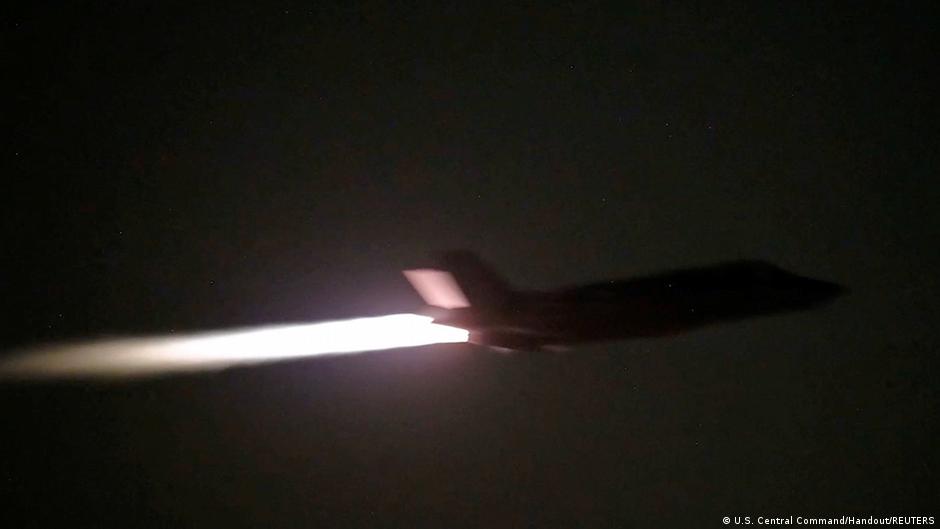
US strikes on Iranian military targets follow drone attacks on oil tankers near the Strait of Hormuz, risking higher energy prices and economic uncertainty for consumers worldwide.

U.S.-Iran military clashes after a drone strike on a cargo ship in the Strait of Hormuz drive up global oil prices, impacting household budgets and everyday investors.

The US Senate voted to end military actions against Iran, signaling shifts that may ease economic pressures on households and investors amid ongoing peace talks.

Russia’s record oil exports coincide with falling prices, affecting household fuel costs, savings, and investor outlooks amid shifting geopolitical tensions.

US and Iran agree on a communication channel to prevent incidents in the Strait of Hormuz, aiming to stabilize global oil supply and ease household energy costs.

The US may charge fees for passage through the Strait of Hormuz if Iran deal fails, risking higher oil prices and impacting household budgets and currency markets worldwide.

The US has ended its blockade of the Strait of Hormuz, allowing increased oil shipments that could stabilize fuel prices and ease household budget pressures worldwide.

The reopening of the Strait of Hormuz after a US-Iran peace deal could stabilize oil prices, easing fuel costs and benefiting household budgets globally.

G7 countries announced new sanctions on Russian oil and gas, increased arms aid to Ukraine, raising concerns over rising energy prices and household budget impacts.

European leaders welcome the US-Iran peace deal as a move to stabilize energy markets, potentially easing household energy costs and inflation worldwide.

Iran has rebuilt most of its missile arsenal, possibly with Russian help, impacting global energy routes and driving up fuel costs affecting household budgets and investors worldwide.

Reports claim the UAE is unfreezing billions in Iranian oil funds to stop attacks, impacting currency stability and household finances across the region.

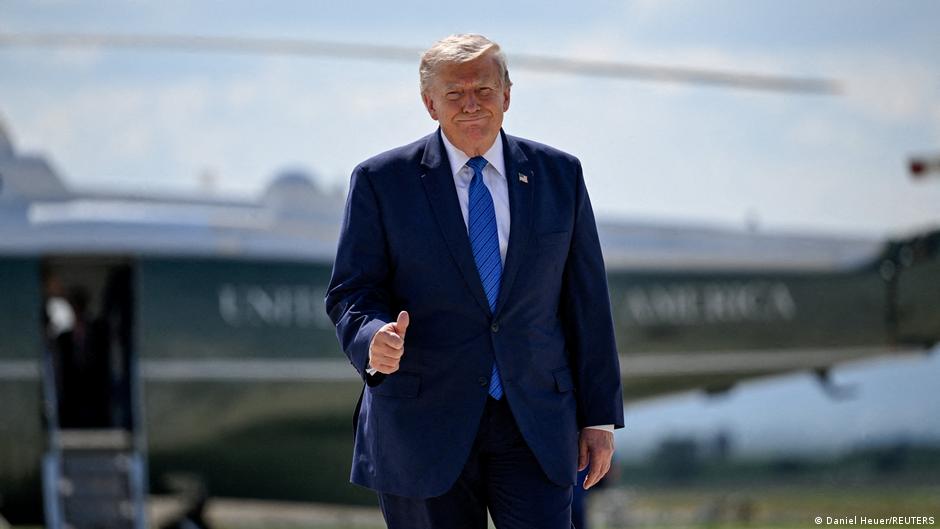
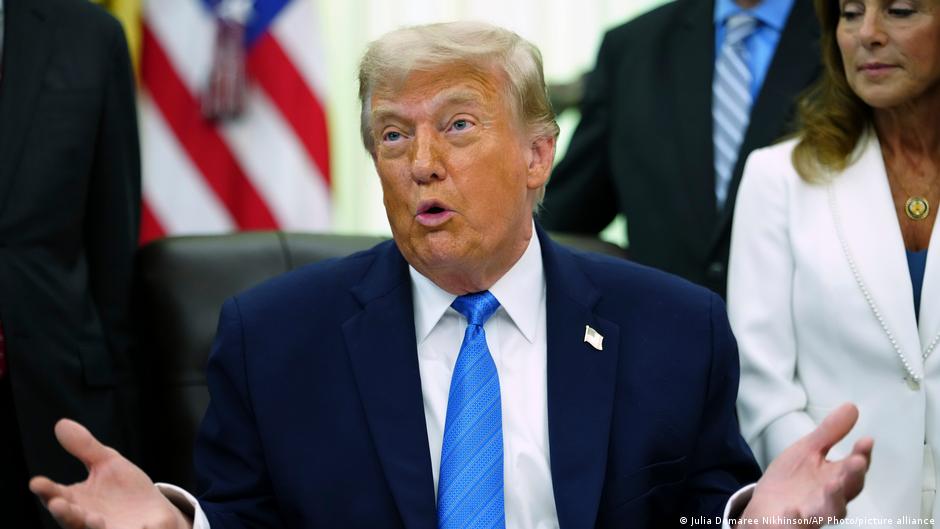
US President Trump halts planned strikes on Iran amid progress toward a regional deal, potentially stabilizing global oil prices and easing the burden on household finances.

Renewed US-Iran hostilities and the closure of the Strait of Hormuz are driving up oil prices, threatening household budgets and global consumer costs.

US strikes on Iran near the Strait of Hormuz raise the risk of higher oil prices, impacting household budgets, savings, and currency stability worldwide.

US-Iran drone strikes near the Strait of Hormuz threaten energy supply routes, potentially driving up global oil prices and impacting household budgets worldwide.

The US House limits Trump's Iran war powers, signaling shifts that could ease energy price pressures and affect currency markets, impacting household budgets and investors.

The US has secretly aided about 70 commercial ships through the Iran-blocked Strait of Hormuz, easing supply chain pressures and influencing consumer costs worldwide.

The US missile strike on a ship bound for Iran disrupts trade in the Strait of Hormuz, risking higher oil prices and impacting household budgets and savings globally.

US postpones planned strike on Iran after Gulf leaders’ intervention, easing pressure on global energy prices and currencies, with implications for household budgets and investors.

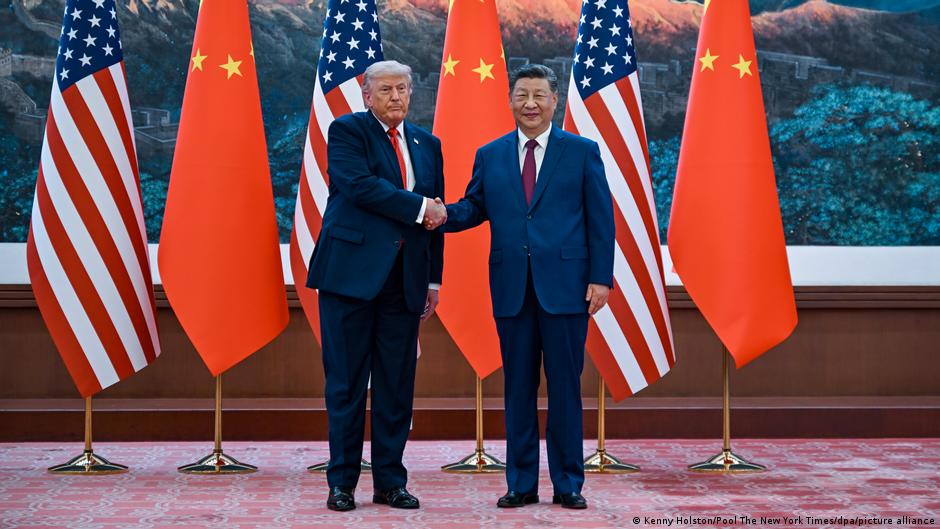
Trump's Beijing meeting with Xi Jinping signals potential easing of trade tensions and energy conflicts, with important effects on consumer prices and currency stability.

US intelligence shows Iran retains about 70% of its missile arsenal, challenging official claims and risking higher global oil prices and inflation impacting consumers worldwide.

Iran's new vessel declaration rules for the Strait of Hormuz may increase shipping costs, impacting global fuel prices and household budgets worldwide.

US-Iran talks nearing a deal could ease sanctions and lower energy prices, impacting household budgets, savings, and investment markets globally.

Global oil reserves fell by a record 200 million barrels in April amid Middle East tensions, signaling higher fuel costs and economic pressure on households and investors worldwide.

Iran’s missile and drone strikes on the UAE escalate regional tensions, threatening global energy supplies and raising costs that impact household budgets and investors.

Iran's proposed 14-point peace plan could influence global oil prices and market volatility, with direct effects on household budgets, savings, and everyday investors worldwide.

Oil prices surged over 7% amid US-Iran tensions, pressuring household budgets, savings, and currencies worldwide due to potential long-term supply disruptions.

King Charles III’s US visit amid UK-US tensions spotlights rising energy costs and currency risks affecting household budgets and everyday investors.