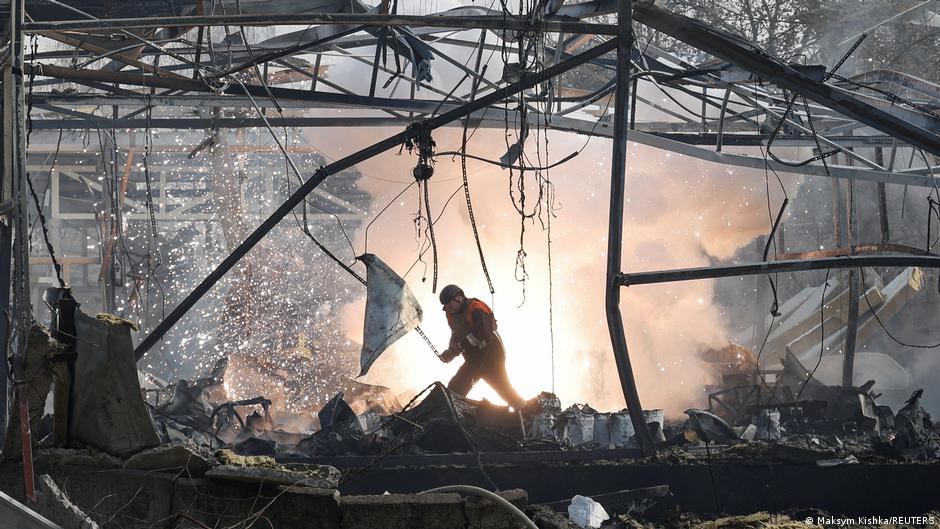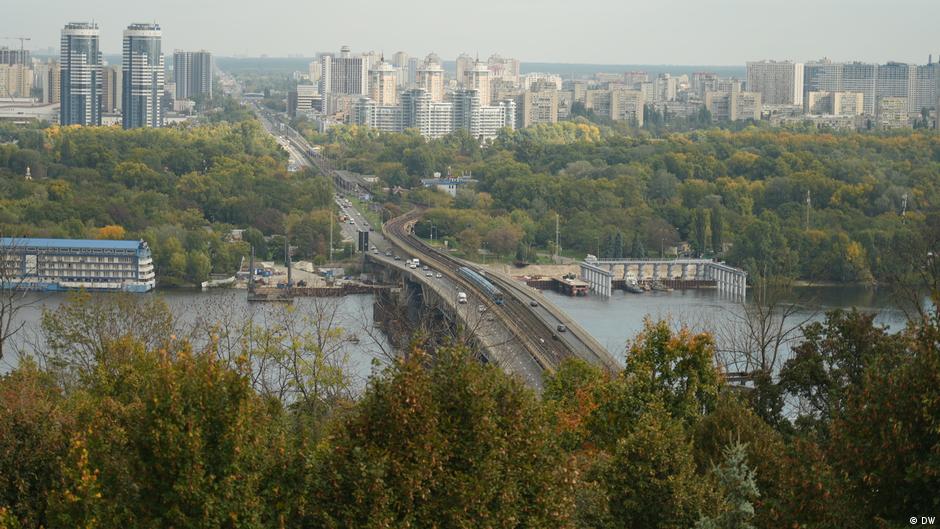
Kyiv Missile Strike Kills 21-Year-Old, Damages Home and Metro Station
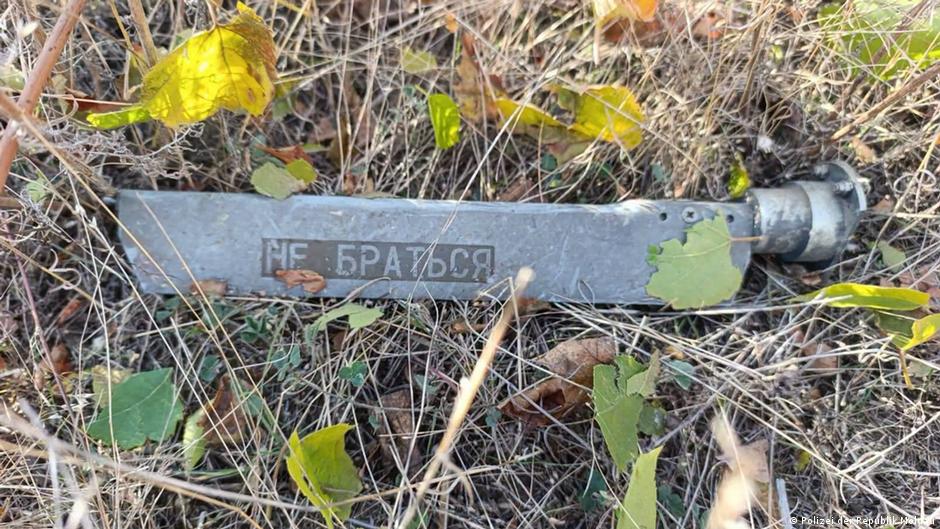
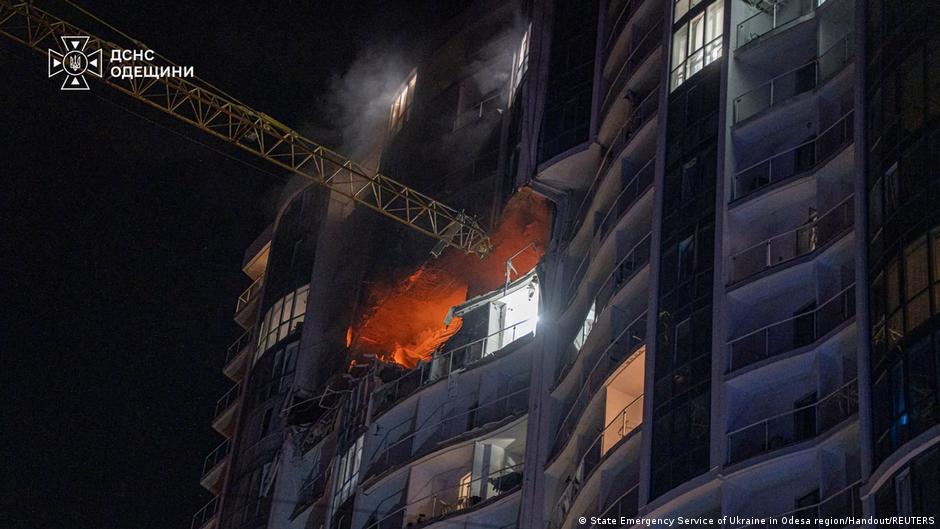
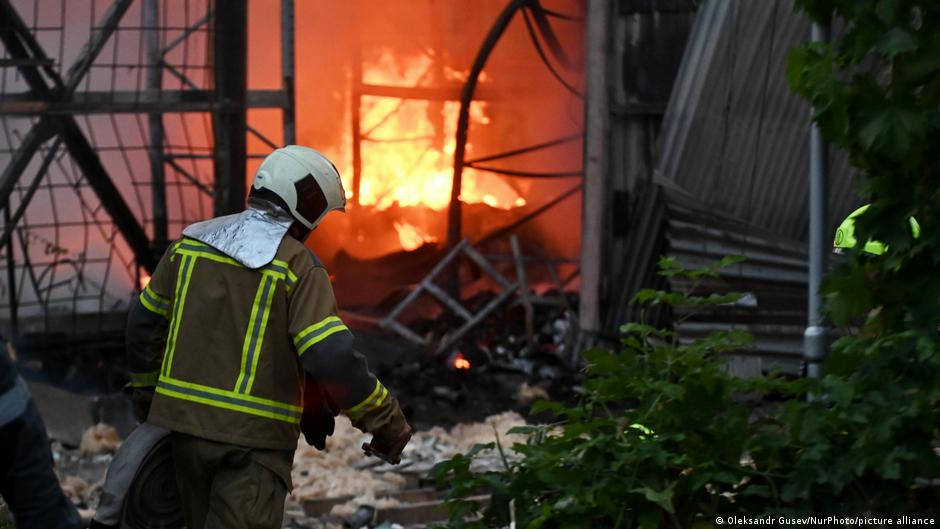
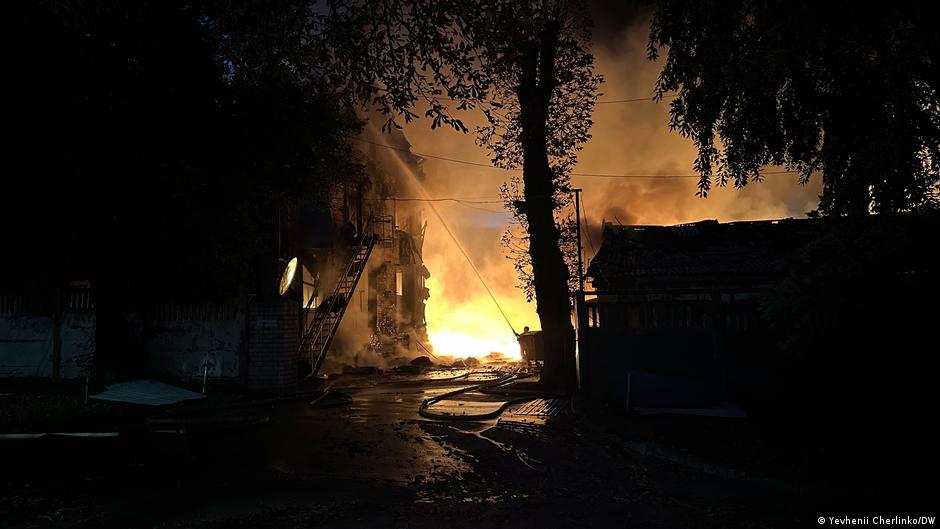
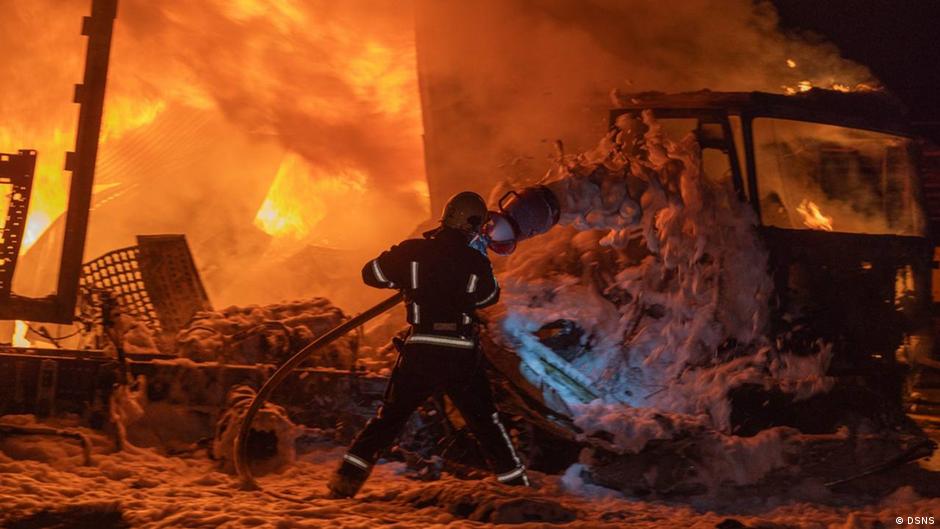
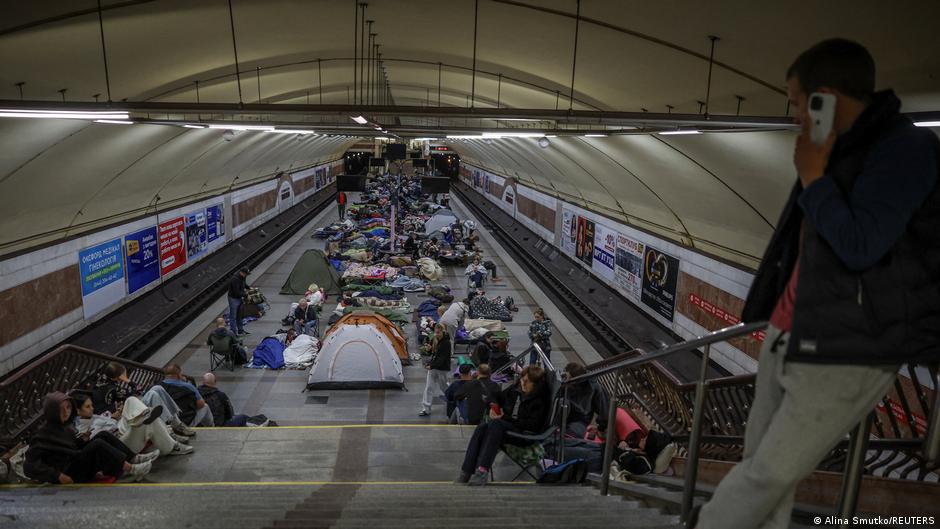
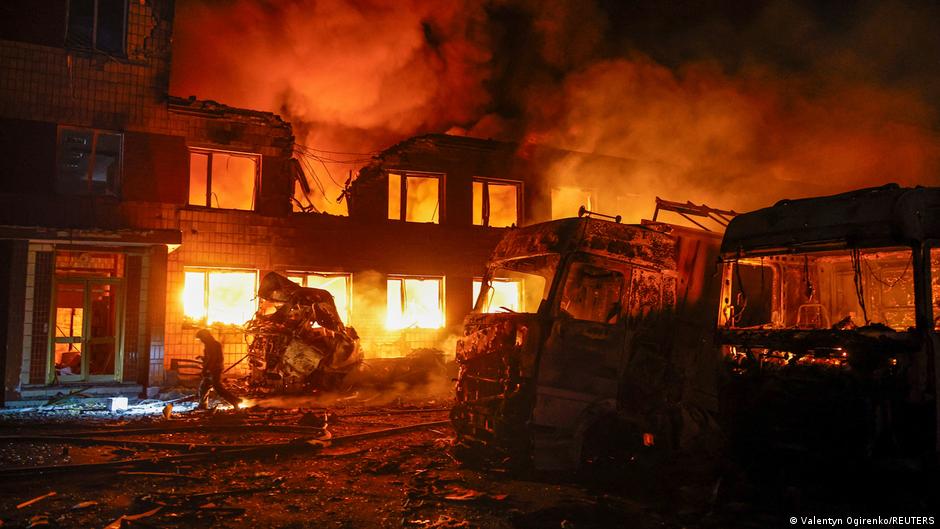
A Russian missile strike killed a 21-year-old woman and damaged buildings and metro tracks in Kyiv, creating fresh costs for households and commuters.
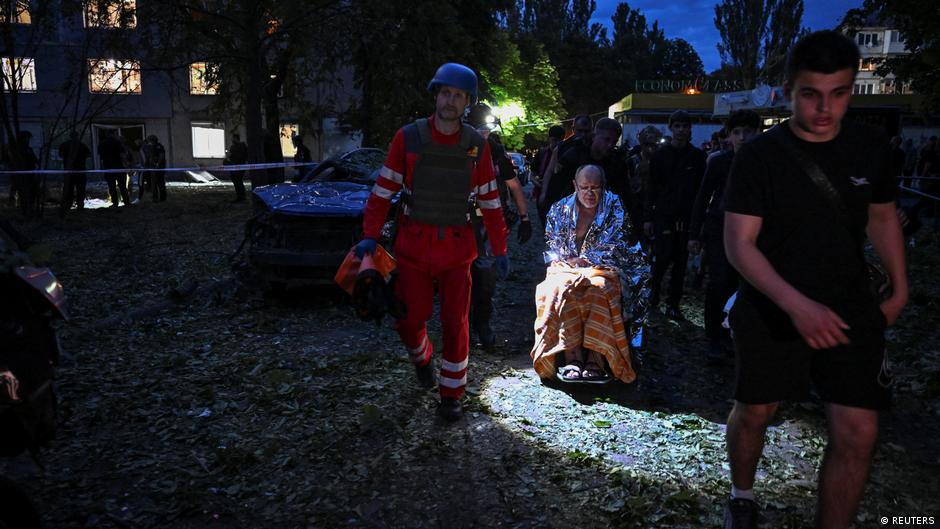
A Russian missile strike killed a 21-year-old woman and damaged buildings and metro tracks in Kyiv, creating fresh costs for households and commuters.

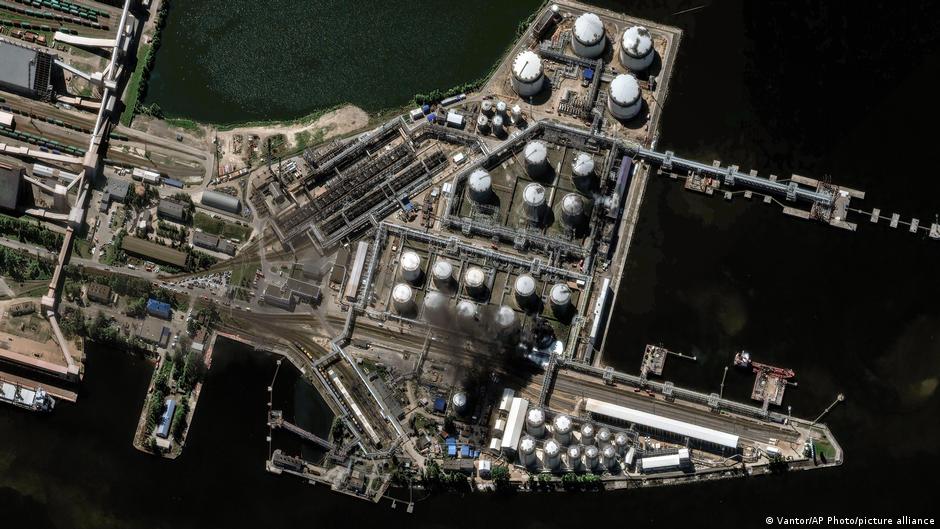
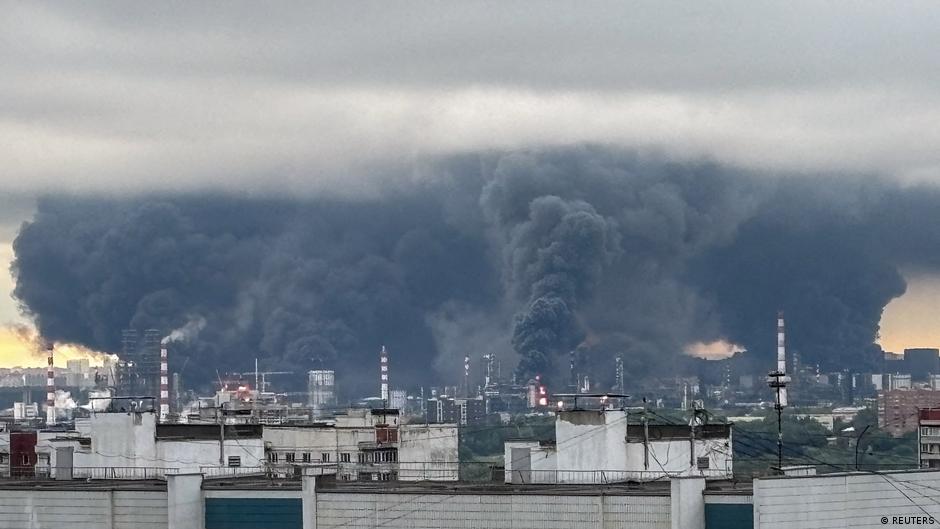
Drone strikes on St Petersburg disrupted oil, power, technology and transport infrastructure, creating potential costs for households and investors.

Five drone incursions in one day deepen security uncertainty for Moldovan households, though officials reported no immediate financial-system impact.

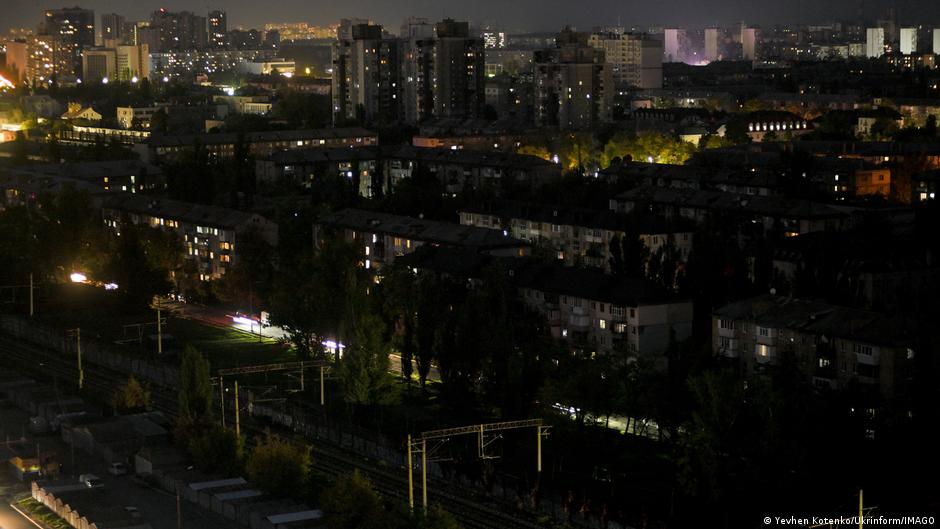
Power and water outages in Kyiv and Lutsk are adding emergency costs for households while renewing concerns about savings, currencies and Ukrainian assets.

ECB approval gives UniCredit a path to control Commerzbank, raising longer-term questions about banking competition, jobs, savings and small-business finance.

Finland is urging an EU-wide tourist visa ban for Russians, a move that could affect travel budgets, currencies and consumer spending flows.

EU states agreed to open accession clusters for Ukraine and Moldova, advancing reforms tied to markets, budgets, consumer rules and investor confidence.

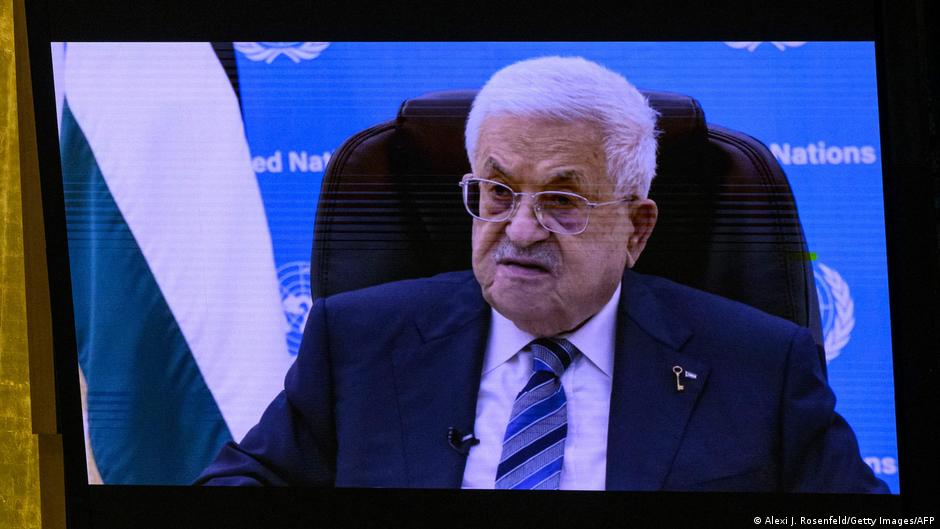
Palestinian elections were delayed to September 2027, extending political uncertainty with consequences for households, savings and investors.

A U.S. strike disabled a cargo ship near Iran, while a tanker was hit in Hormuz, raising fresh concerns over fuel costs and household budgets.

Preliminary election results in Bosnia point to political continuity, with Dodik allies holding key posts and economic uncertainty still in focus.

Western plans to relocate embassies from Kyiv highlight rising winter risks for households, currencies, energy costs and investors.

A voluntary Trump AI safety deal puts major tech firms in charge of safeguards, with implications for consumers, investors and future regulation.

Russian overnight attacks on Kyiv followed deadly daytime strikes, adding pressure on residents’ safety, repairs, transport and emergency savings.

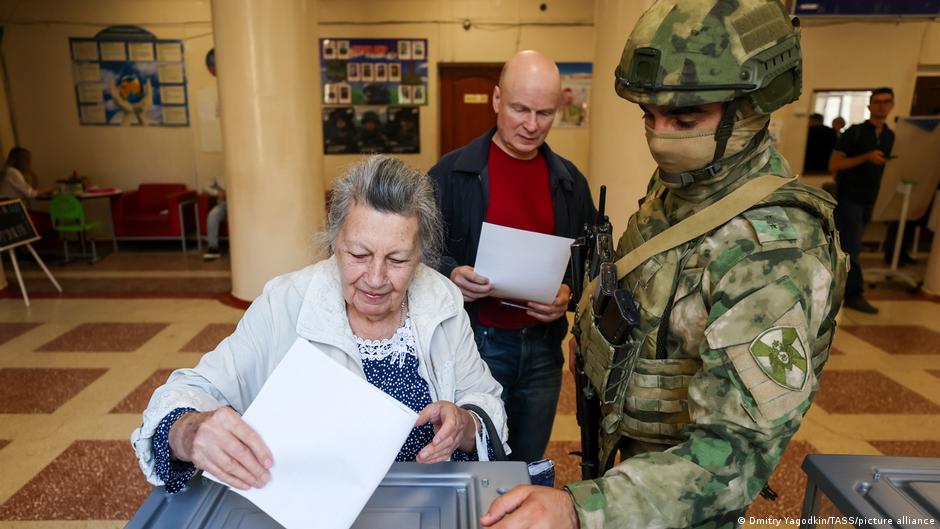
Ukraine sanctioned 44 people tied to Russian Duma voting in occupied territories, adding another layer of financial and currency risk.

Russian drone attacks killed at least three civilians in Zaporizhzhia and hit Odesa infrastructure, adding pressure on household finances.

Kyiv denied a report that Trump urged Zelensky to meet Putin in Moscow as energy talks and diesel prices keep the war tied to household costs.

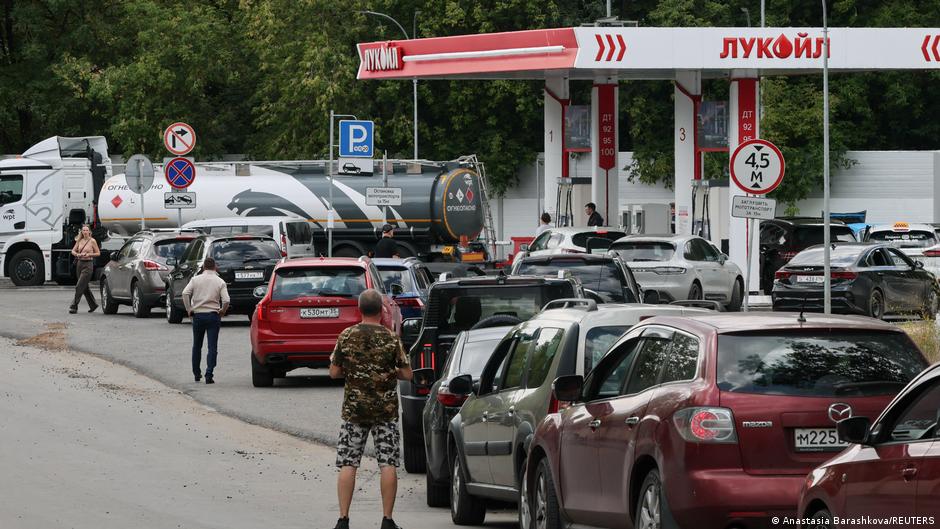
Kaluga and Zabaykalsky Krai are limiting gasoline sales again as refinery disruptions renew pressure on drivers and local budgets.

A major drone attack near Moscow killed two people, disrupted airports and hit energy and logistics sites, raising consumer and investor risks.

A major Yaroslavl refinery has halted fuel shipments after drone damage, worsening Russia’s fuel shortages and raising risks for household budgets.

Russian attacks wounded civilians, including children, and damaged homes, offices, warehouses and cars in Kyiv, Odesa and Sumy.

Russian drone strikes hit Kyiv fuel stations, warehouses and Odesa infrastructure, killing at least two and raising household cost risks.

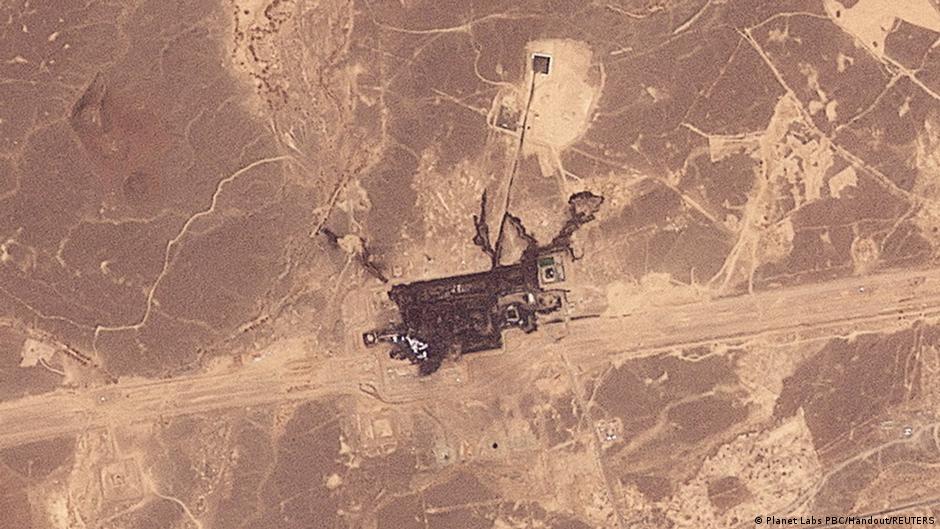
A prolonged Saudi pipeline shutdown could tighten oil supplies, raising risks for fuel prices, household budgets, currencies and investors.

Russian attacks damaged homes, warehouses, a Nova Poshta branch and power infrastructure, adding pressure to Ukrainian household budgets.

Georgia detained former defense chief Giorgi Baramidze in a treason case, adding political risk for households, savers and investors.

Russian strikes on Sumy and Mykolaiv killed civilians, injured dozens and damaged retail, port, warehouse and postal infrastructure.

Russian strikes on Kyiv damaged homes, cars, garages and businesses, raising fresh financial pressure for households and local firms.

Two civilian aircraft were intercepted near Trump's New Jersey golf club due to temporary flight restrictions, highlighting financial impacts on private pilots and local economies.

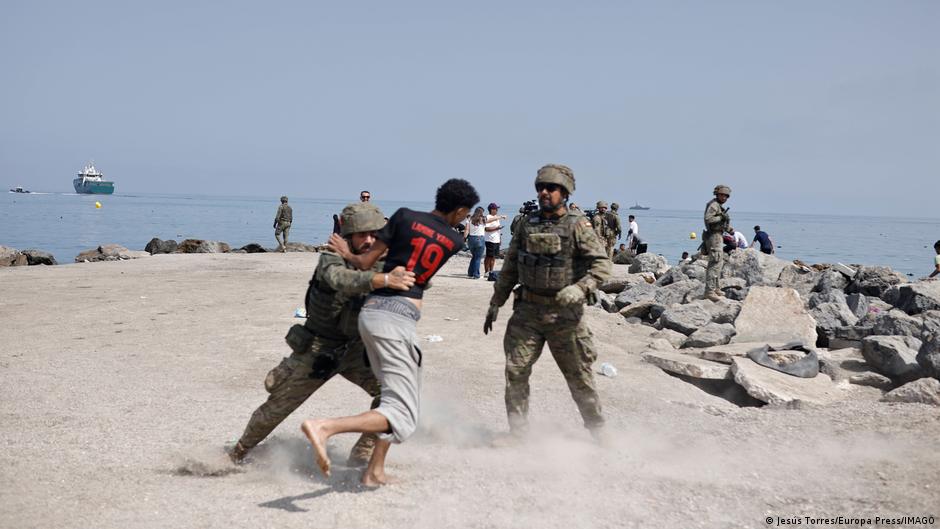
The surge of 60,000 migrants into Spain’s Ceuta enclave disrupts local economies, challenges household budgets, and raises currency and investment concerns across Europe.

Entrepreneurs can now receive up to 50% subsidies for building modern swimming pools, easing upfront costs and stimulating local tourism and sports infrastructure development.

Germany identifies 410 individuals linked to Islamist extremism, raising concerns about impacts on household finances, consumer confidence, and economic stability.

US lifts sanctions on Belarus-linked Bel-Kap-Steel amid prisoner releases, potentially easing economic pressure on households and stabilizing currency and investments.

The recent missile strikes on Kyiv caused property damage and casualties, impacting household budgets, local businesses, and consumer confidence amid conflict.

Russian strikes on Izium damaged civilian homes, businesses, and agricultural equipment, posing significant risks to local household finances and economic stability.

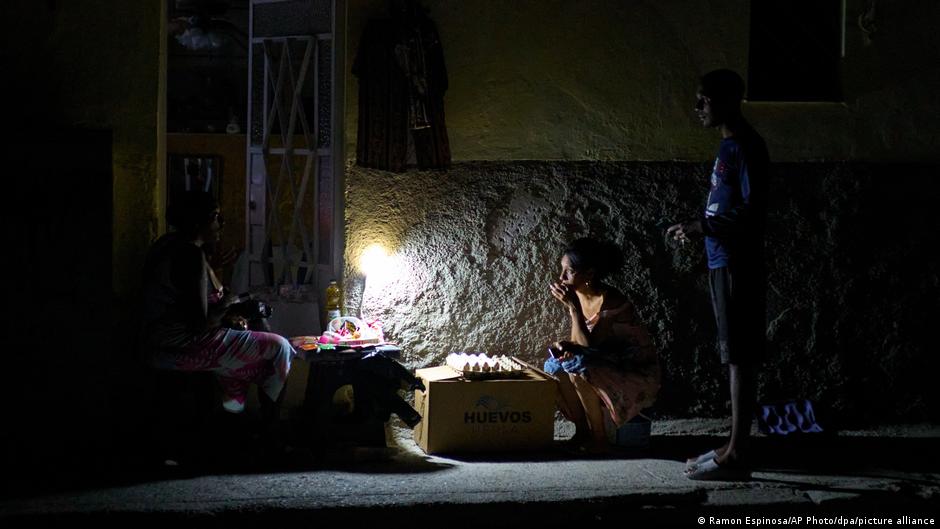
Cuba’s latest nationwide blackout amid U.S. sanctions intensifies energy shortages, straining household budgets, savings, and investor confidence.

Thunderstorms forced cancellation of Washington's 250th Independence Day events, disrupting celebrations and affecting consumer spending and household plans.

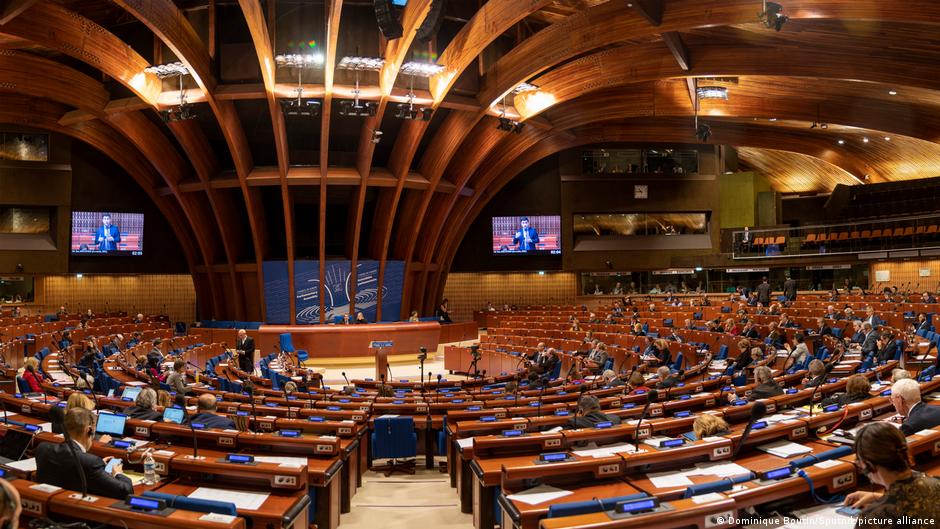
PACE criticized Georgia’s democratic decline and urged reforms, highlighting risks that political instability poses to household budgets, savings, currencies, and investors.

Bolivia and the US renew anti-drug cooperation after 18 years, with $20M in US aid aimed at stabilizing Bolivia’s economy and curbing cocaine production impacts.

Armenia’s parliamentary vote recount reveals minor shifts in party results amid political tensions that may affect currency stability, household budgets, and investor confidence.

US Congress approved $70 billion for immigration enforcement, raising concerns about effects on household budgets, currency, and consumer finances.

A Russian military strike in Zaporizhzhia caused a power outage, disrupting daily life and increasing household expenses amid warnings of further attacks.

Belgorod authorities have resumed mobile internet and street lighting after months of disruptions caused by military attacks, easing daily challenges for residents managing finances and safety.

The potential redeployment of 5,000 US troops from Germany to Poland could influence local economies, household finances, currencies, and investment dynamics in Europe.

The US plans major cuts to its troops in Germany, affecting local economies, currency markets, and potentially household finances and investments.

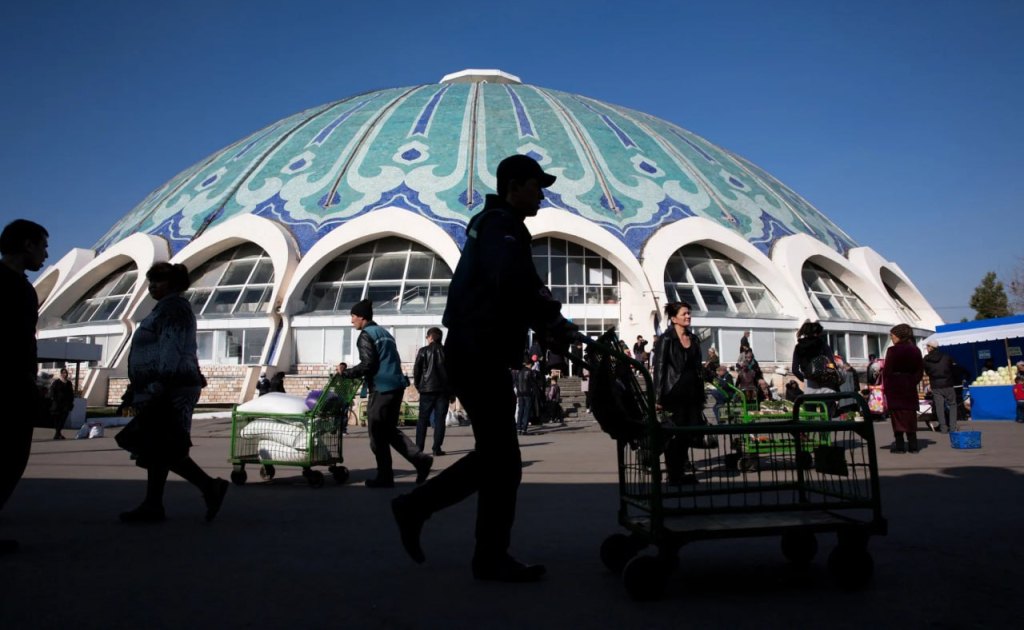
Tashkent's 2025 market profits shift, with some farmers' markets thriving and others declining, influencing household budgets and local investments.

Drone attacks in Chernihiv have cut power to 6,000 homes, increasing household expenses and straining local economies amidst ongoing conflict.