Russian Strikes Hit Ukraine Regions, Disrupting Homes, Parcels and Power
Attacks on Kyiv, Odesa and Mykolaiv regions damaged logistics, housing and energy infrastructure, adding fresh pressure on daily costs.
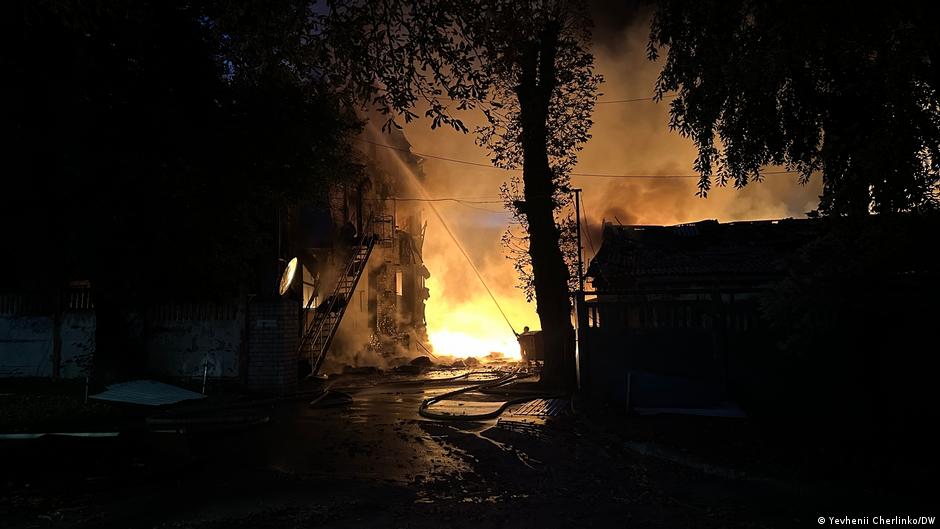
Russian forces attacked Ukraine’s Kyiv and Odesa regions, as well as the city of Mykolaiv, late on September 12 and overnight into September 13, according to local authorities. The strikes damaged homes, warehouse facilities, a postal branch and energy infrastructure, underscoring how the war continues to reach directly into the systems households rely on every day.
For families and small businesses, the immediate consequences go beyond the physical damage reported by officials. Strikes on delivery networks, warehouses, apartment buildings and power systems can interrupt wages, raise replacement costs, delay shipments and force residents to spend savings on repairs, temporary transport, batteries, generators or alternative accommodation. In wartime Ukraine, each new overnight alert can also become a personal finance event.
In the Odesa region, two people were injured after an evening drone attack hit a branch of Nova Poshta, one of Ukraine’s main private delivery operators, according to Oleh Kiper, head of the regional military administration, and representatives of the State Emergency Service. Kiper said the building’s facade, glazing and a cargo vehicle were damaged.
“The facade of the building, glazing and a cargo vehicle were damaged,” Kiper said, according to the regional authorities.
The reported damage to a postal and parcel site is particularly significant for consumers and small traders. Nova Poshta is widely used for sending goods, documents and personal items across Ukraine. When a delivery branch is damaged, even locally, the impact can spread through household routines: online orders may be delayed, business inventory may be held up, and people depending on shipped goods may face higher costs or longer waits.
Household Budgets Under Wartime Strain
Officials also reported damage in Odesa itself. Serhiy Lysak, head of the city military administration, said a high-rise residential building was damaged in an attack on the city. It was already the second hit on an apartment building in Odesa within a day, according to the report.
Damage to apartment blocks is one of the clearest ways military strikes become a household balance-sheet problem. Even when no deaths are reported, residents may face broken windows, damaged common areas, ruined interiors or temporary displacement. Those costs can fall unevenly on owners, tenants, building associations, insurers where coverage exists, local authorities and charities. For people already budgeting for food, transport, medicine and school needs, emergency repairs can quickly consume cash reserves.
The Kyiv region also reported damage from the September 12 attacks. According to the Kyiv regional military administration, warehouse premises in the Boryspil district were damaged and a fire broke out. In the Brovary district, a warehouse and a private home were damaged. No information about deaths or injuries was reported.
Warehouse damage matters for household budgets because storage sites are part of the supply chain that keeps prices stable and goods available. A single incident may be local, but repeated damage to warehouses, delivery trucks and logistics points can increase costs for businesses. Those costs may later show up in delivery fees, product shortages, higher retail prices or delayed repairs for consumers waiting on parts and supplies.
Kyiv Mayor Vitali Klitschko also reported the operation of air defense systems and urged city residents to remain in shelters. Telegram channels of the Kyiv regional military administration also reported air alerts across different parts of the Kyiv region overnight. For workers paid hourly or running small firms, nights spent in shelters can affect productivity the next day, while repeated alerts complicate childcare, commuting and shop operations.
Power Disruptions Add Direct Costs
In Mykolaiv, an evening attack on energy infrastructure partially cut power to several districts of the regional center, according to Heorhiy Reshetylov, head of the local regional military administration. He wrote on Telegram that once the security situation allowed work to begin, energy workers would start restoring electricity supply. He later posted that the alert had ended, and then that an air alert had resumed.
Partial blackouts impose direct and indirect costs on households. Residents may lose refrigerated food, need to charge devices elsewhere, buy candles, power banks or fuel, or rearrange work and study around outages. Businesses face similar pressures, from interrupted card payments to spoiled inventory and reduced opening hours. For everyday investors, repeated infrastructure strikes can also reinforce concerns about currency stability, inflation pressure and the economic burden of reconstruction.
The latest attacks did not include reported fatalities in the information provided by the local authorities cited. Still, the pattern of damage described across Odesa, Kyiv region and Mykolaiv points to the broad economic exposure of civilian life in Ukraine: apartments, private homes, warehouses, delivery services and power infrastructure all sit inside the everyday financial network of families.
For consumers, the practical effect is a constant need to hold more liquidity, plan for delays and protect essential documents, medicine, food and communications. For savers, wartime disruption raises difficult trade-offs between keeping cash accessible and preserving value against inflation or currency risk. For small investors, the damage to logistics and energy systems is another reminder that national security developments can quickly affect local business conditions and household confidence.
Authorities said restoration work in Mykolaiv would begin when safety conditions allowed. In Odesa and the Kyiv region, officials continued to report damage assessments after the strikes. The immediate financial question for affected residents is how quickly services, power and transport links can be restored, and how much of the repair burden will fall on households already living with the accumulated costs of war.