Ukraine Talks Could Shape Household Energy Bills and Investor Risk
Possible Ukraine talks in Abu Dhabi or Switzerland could affect sentiment around energy bills, currencies and household investments, but no breakthrough is assured.

Possible Ukraine talks in Abu Dhabi or Switzerland could affect sentiment around energy bills, currencies and household investments, but no breakthrough is assured.
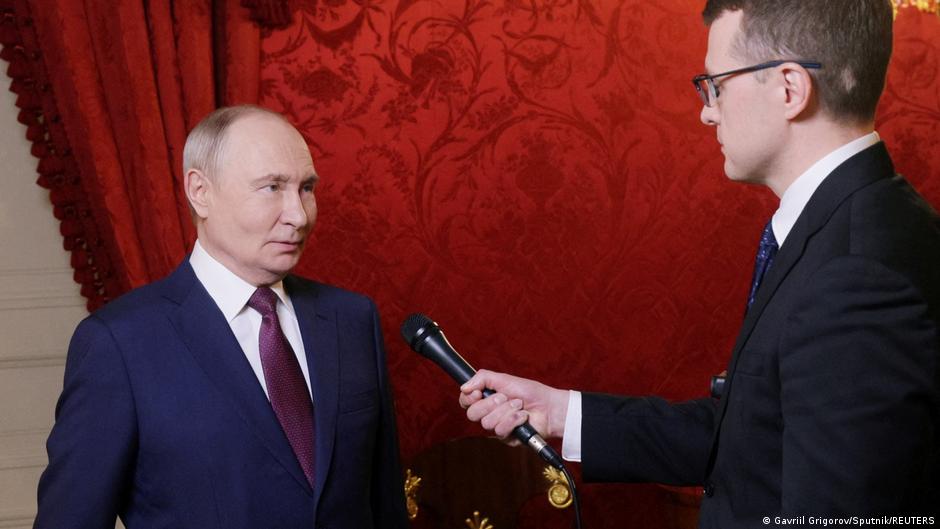
Putin backed renewed US-mediated talks with Kyiv but rejected a front-line freeze, extending uncertainty over energy bills, currencies and investments.

A mass rally and tight polling put Serbia’s political stability—and its implications for household confidence, savings and investments—in focus before the October 25 election.

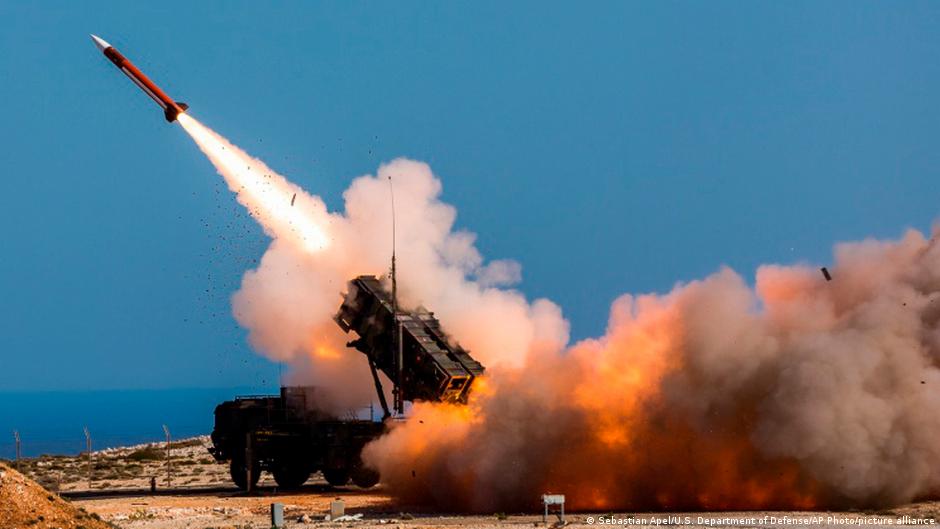
Zelensky’s claims of delayed US missile deliveries add uncertainty for European energy bills, currencies, savings and retail portfolios.

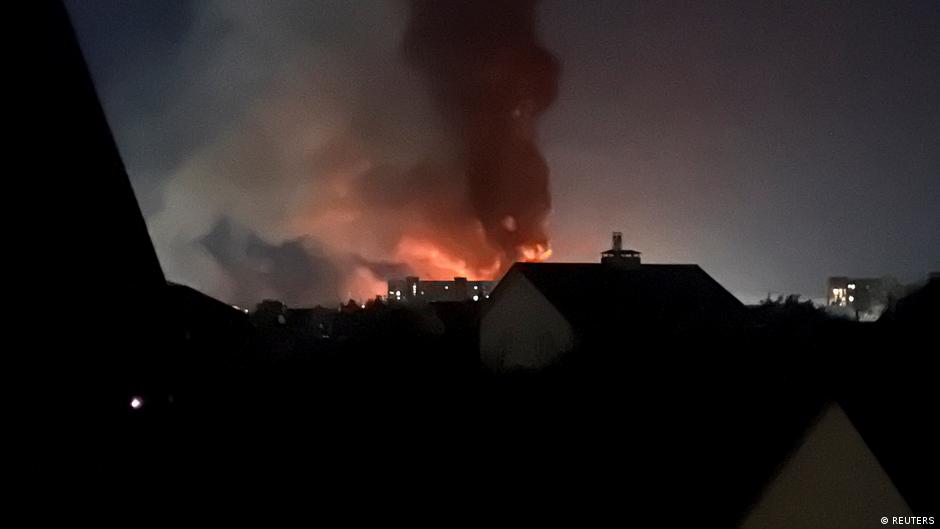
A Russian missile strike killed a 21-year-old woman and damaged buildings and metro tracks in Kyiv, creating fresh costs for households and commuters.

A suspected arson attack on a Polish Starlink station highlights the potential household and investment costs of threats to critical infrastructure.

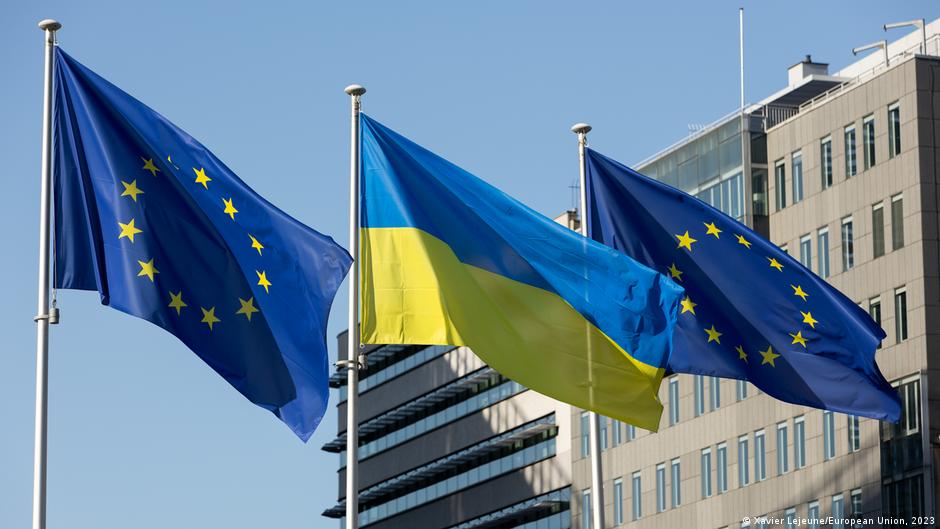
EU states agreed to open accession clusters for Ukraine and Moldova, advancing reforms tied to markets, budgets, consumer rules and investor confidence.

Ukraine will discuss a new war-ending plan with Trump envoys as households and investors watch the budget, currency and market risks.

Brazil’s runoff between Flavio Bolsonaro and Lula da Silva could affect inflation expectations, the real, savings and investor confidence.

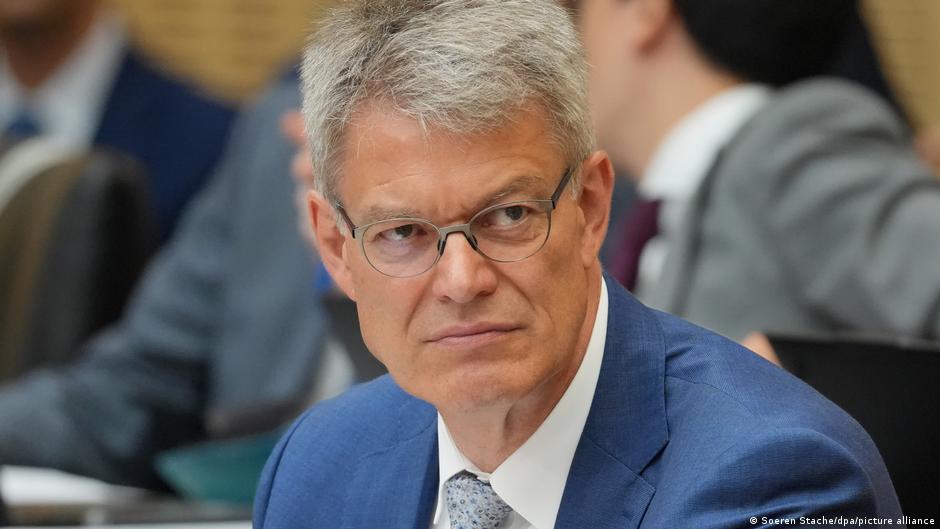
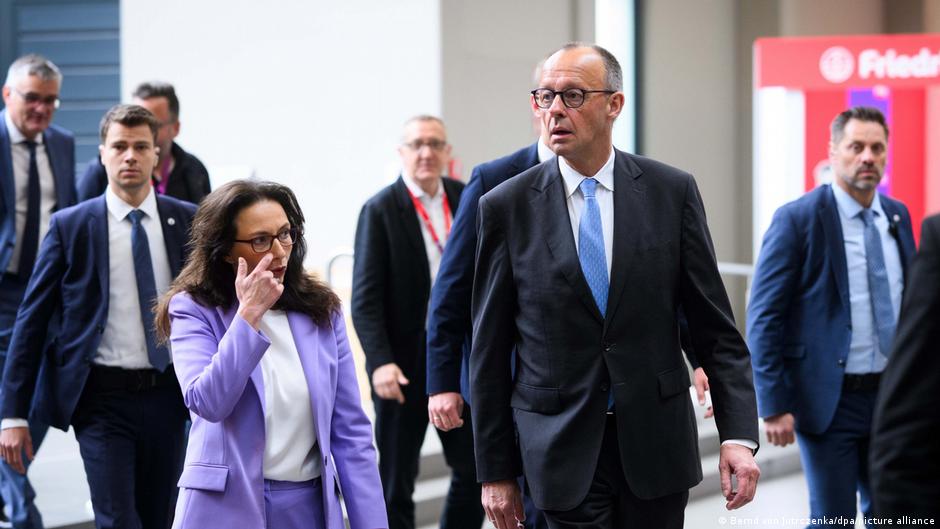
Germany’s economy minister warned the Left Party’s Berlin win could weaken investor confidence and raise risks for households and savers.

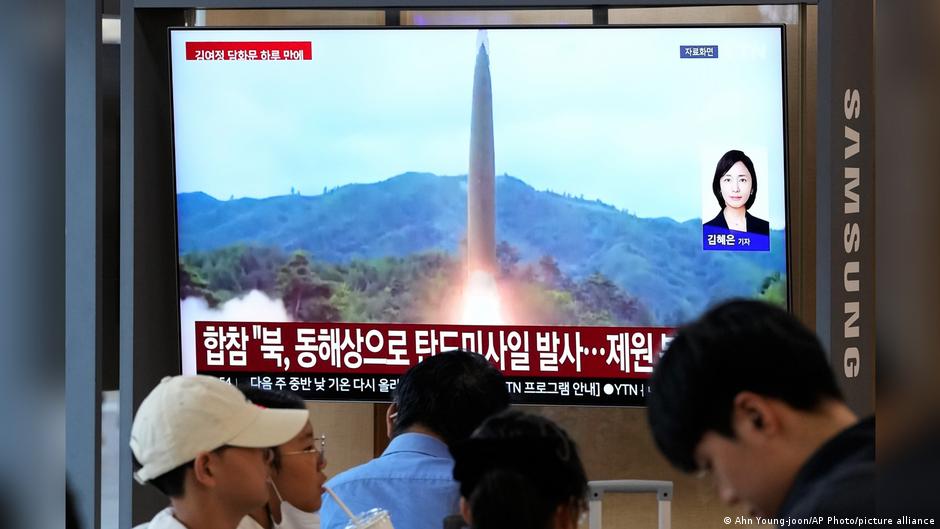
North Korea’s missile launch adds geopolitical risk for Asian markets, currencies and households exposed to regional prices or investments.

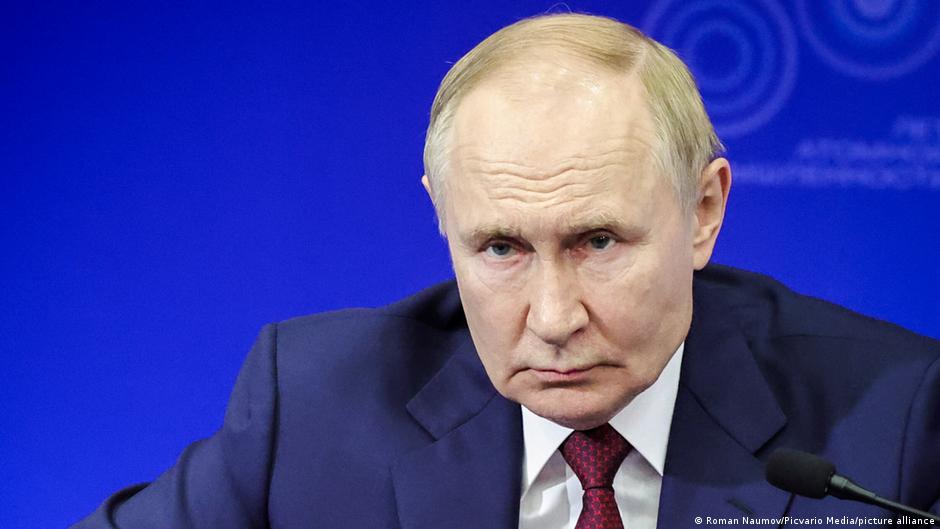
Putin’s latest Valdai remarks renewed nuclear warnings and war claims, adding another layer of uncertainty for household budgets and investors.

Zelensky says North Korea may send 10,000 more troops to Russia, a risk that could prolong financial uncertainty for households and investors.

AfD lost three Lower Saxony runoff races as Greens held Hanover and won key cities, shaping local spending priorities that affect households.

Macron says France sees a Russian mobilization of around 300,000 people as credible, raising risks for European budgets, markets and consumers.

Russia’s expanding ship registry could add uncertainty to energy markets, with possible effects on household fuel costs, inflation and investor risk.

Kyiv officials reported two deaths, six injuries and damage near medical and residential sites, raising new pressure on household budgets.

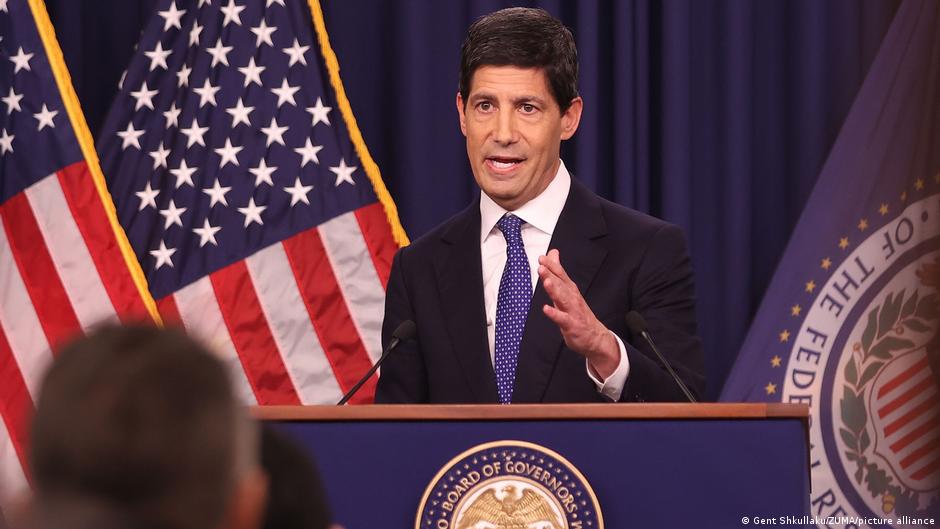
The Fed lifted rates to 3.75-4%, raising borrowing pressure for households while potentially improving returns for savers.

The House advanced a bill allowing 100% tariffs on buyers of Russian energy, raising consumer price and investor concerns.

China warned the US against preparing for space war after Washington confirmed orbital weapons, raising risks for satellites that support daily finance.

A reported drone threat delayed Zelensky’s flight from Moldova, highlighting how regional security risks can affect travel, currencies and household costs.

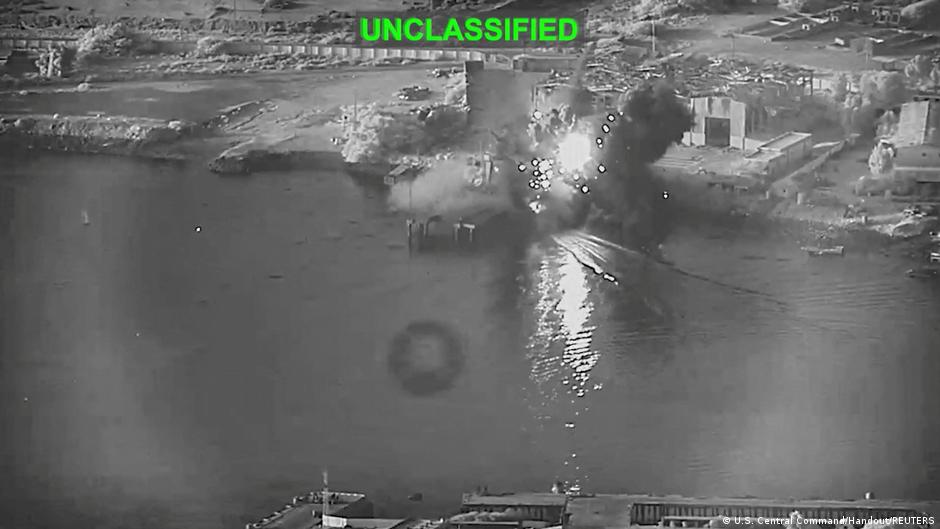
U.S. strikes on Iranian oil tankers raise new questions for fuel prices, inflation risks, currencies and small investors watching Gulf tensions.

Finland’s completed Russia border fence highlights how security spending can affect public budgets, local economies and household finances.

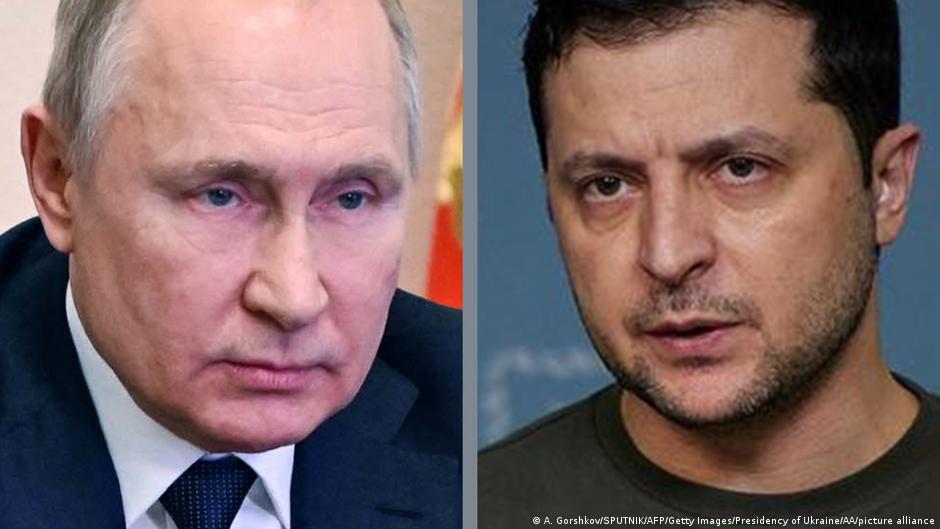
Putin said chances for peace exist, while Zelenskyy said U.S. envoys will visit Kyiv and Moscow, reviving focus on the war’s impact on budgets and markets.

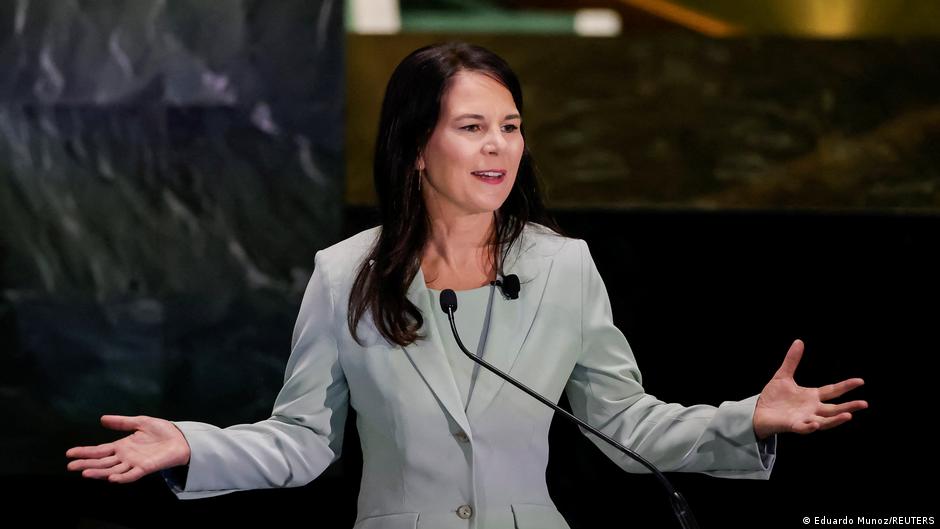
After leading Germany's foreign policy and chairing the UN General Assembly, Annalena Baerbock will join Columbia University as co-director of a public administration program focused on global leadership.

The detention of Russian blogger Ilya Remeslo amid political repression raises concerns about economic instability and impacts on household finances, savings, and currency confidence.

The EU pledges ongoing support to Ukraine amid conflict, maintaining sanctions on Russia that affect European household budgets, currency markets, and investors.

NATO responds to Iranian threats targeting European military sites, signaling potential impacts on household budgets, currency markets, and consumer prices amid rising tensions.

Former Ukrainian Defense Minister Mikhail Fedorov urges elections during wartime, highlighting key challenges impacting household finances and economic confidence.

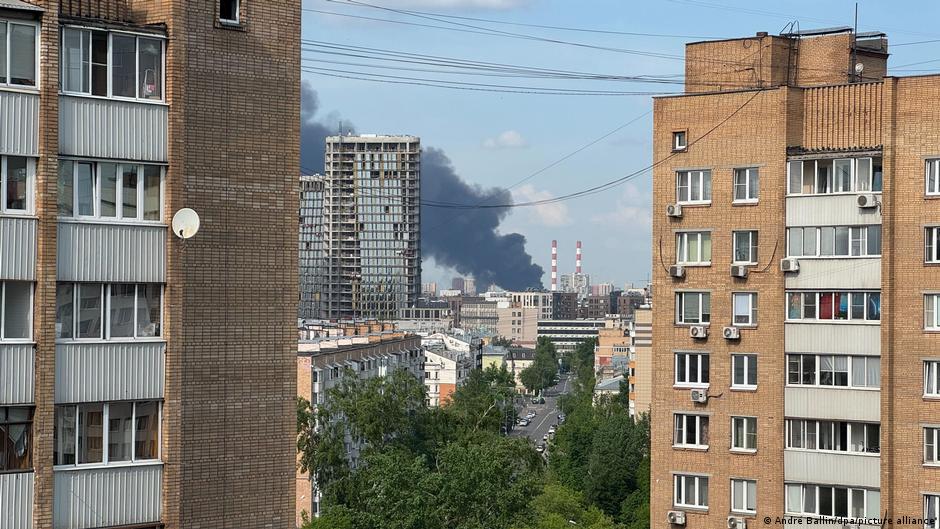
More than 180 drones were intercepted near Moscow, causing injuries and property damage that impact household safety, local infrastructure, and consumer costs.

Geopolitical tensions between Qatar and Iran threaten currency stability and consumer costs, impacting household budgets and everyday investors in the Gulf region.

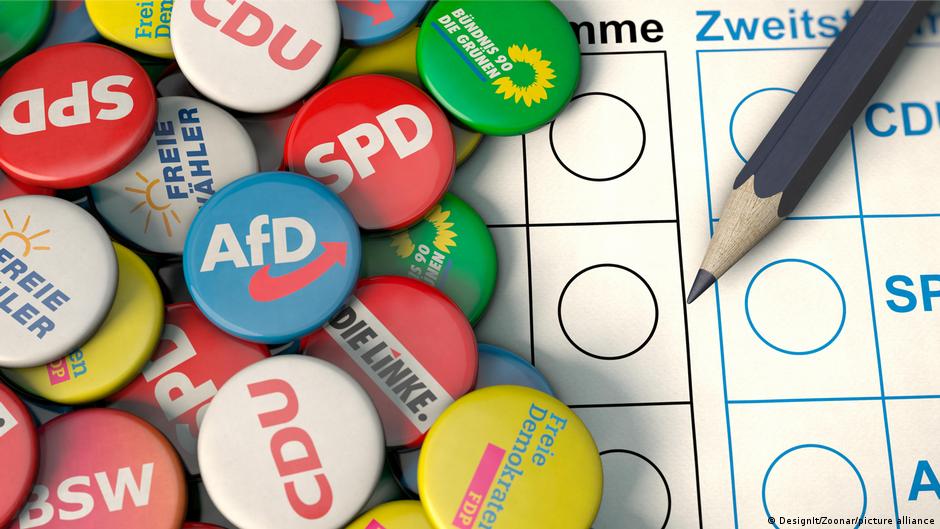
Support for Germany’s CDU/CSU falls to a five-year low, raising concerns about economic stability and consumer confidence ahead of regional elections.

Venezuela freed 131 political prisoners amid national reconciliation talks, a move that could influence currency stability and household finances in the long term.

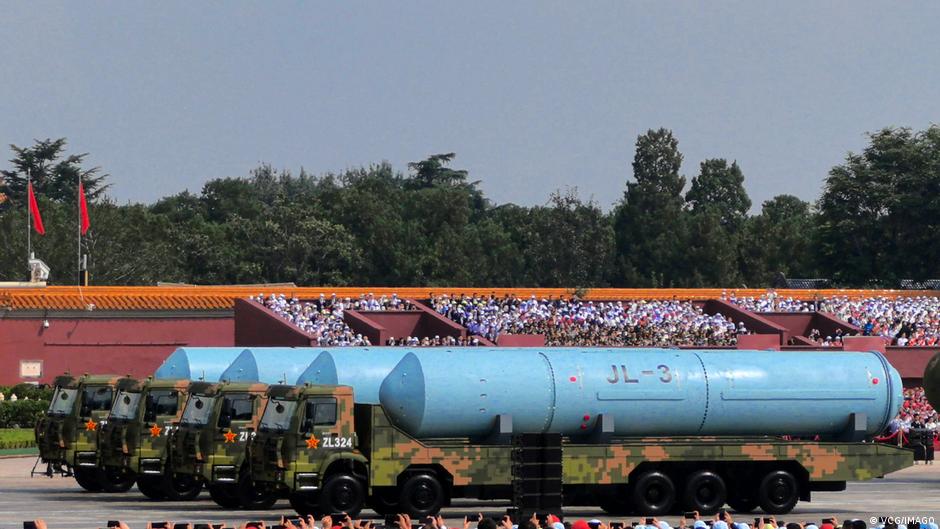
Over 40 countries demand 24-hour advance notice of ballistic missile tests to reduce risks and protect global economic and financial stability impacting households and investors.

Lithuanian defense warns of possible Russian drone attacks on Baltic infrastructure, highlighting risks to household budgets and financial stability in the region.

Russia’s use of North Korean ballistic missiles in Ukraine raises global concerns over economic stability, affecting household budgets, currencies, and investor confidence worldwide.

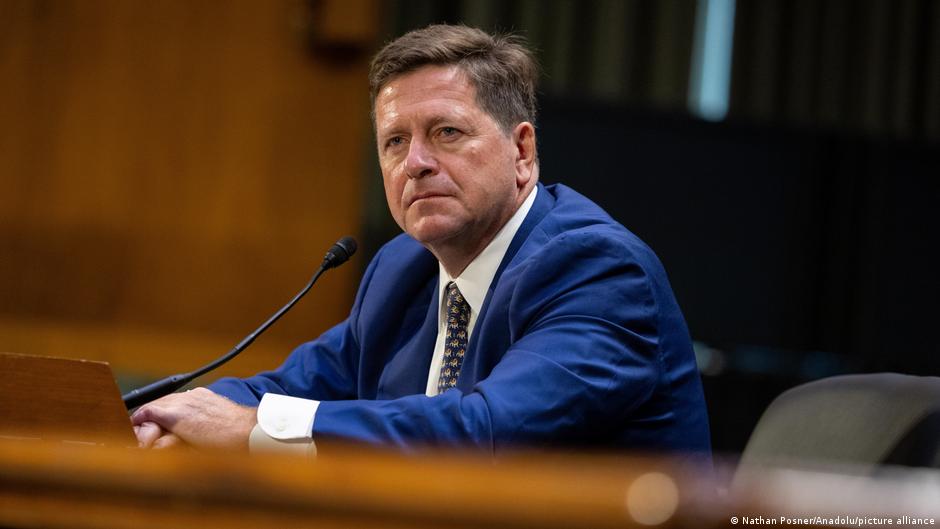
Jay Clayton's confirmation as US National Intelligence Director raises questions about potential impacts on financial markets and household economic stability amidst political divisions.

Germany’s transport minister resigns amid political tensions, raising concerns over infrastructure projects and economic effects on households and investors.

Ukraine warns Russia plans to expand military mobilization in 2026, including North Korean troops, raising economic risks for Russian households, savings, and currency stability.

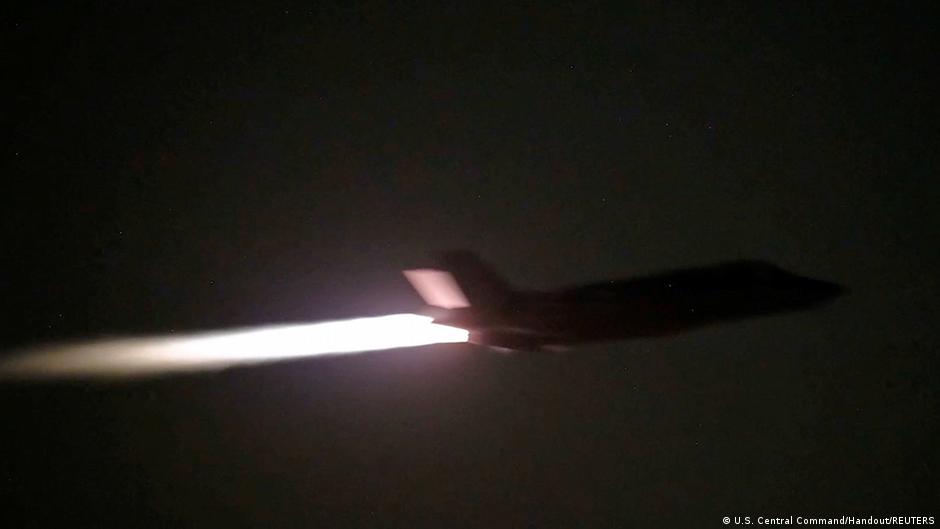
Eleven nights of US strikes on Iran disrupt key oil routes, pushing energy costs higher and affecting household budgets and investor confidence globally.

US strikes on Iran enter the tenth day, risking global energy supply disruptions that could raise fuel prices and strain household budgets and investor portfolios worldwide.

US military deaths in the Iran conflict rise, increasing geopolitical risks that affect household budgets, currency markets, and investment decisions.

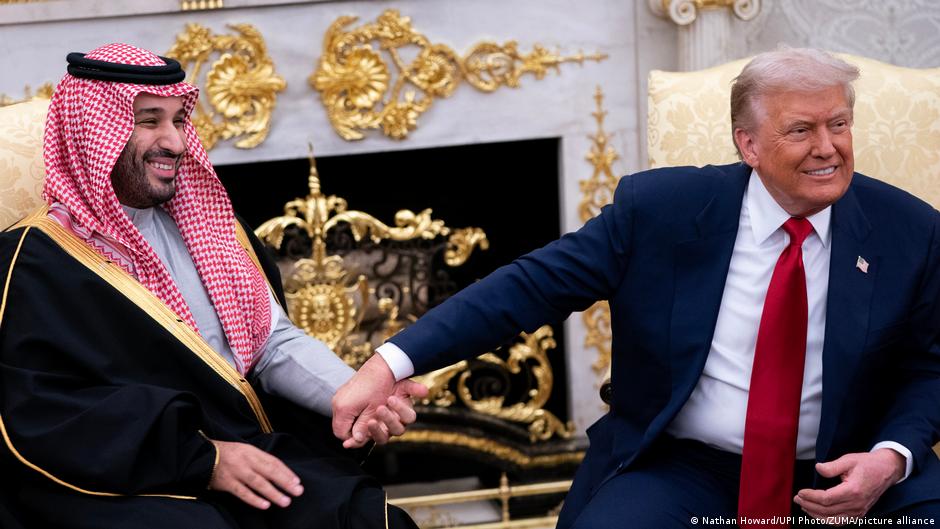
US plans to allow Saudi uranium enrichment could raise oil prices, affect currencies, and impact household budgets and investments worldwide.

Drone strikes on Russian logistics hubs and residential areas threaten supply chains, risking higher consumer prices and financial market volatility that impact households and investors.

US strikes on Iran's infrastructure heighten risks of oil supply disruptions, driving up energy costs and impacting household budgets and investors worldwide.

Darlin Graham Norton assumes her late brother Lindsey Graham’s Senate seat, preserving Republican control and influencing policies that affect household budgets and investor confidence.

AKFA Aluminium plans its first international bond issuance, opening new opportunities and risks for household investors and impacting Uzbekistan's financial markets.

A survey shows 40% of Germans doubt they can work until retirement due to heavy job strain, raising concerns about pension security and household finances.

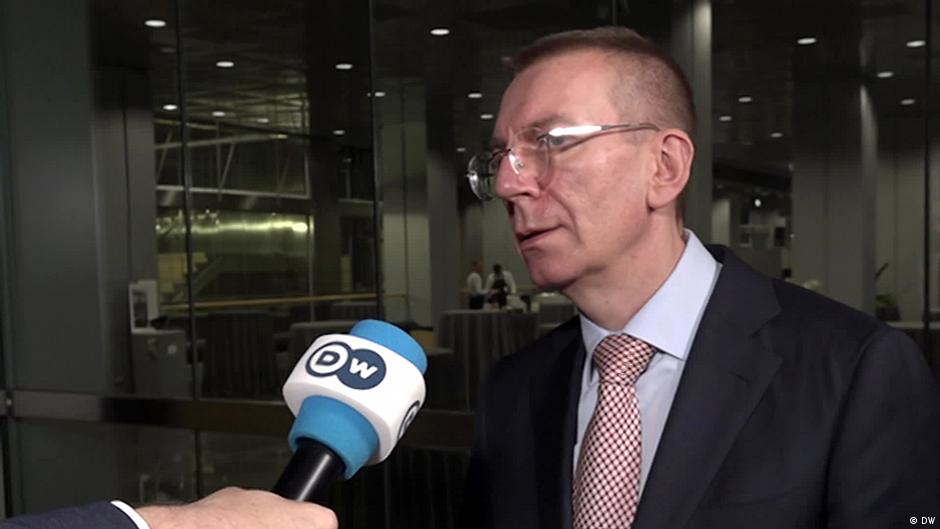
Latvian President warns NATO to prepare for conflict escalation with Russia, highlighting increased defense spending and its impact on European household budgets and savings.

Poland deported 11 individuals accused of organizing Russia-funded protests among Ukrainian refugees, raising concerns over foreign influence and economic impact on households.