Over 40 Nations Urge Early Notification of Ballistic Missile Tests to Enhance Global Security
More than 40 countries call for at least 24-hour advance notice of ballistic missile launches to reduce risks and build trust among nuclear powers.
In a significant move affecting global security and international relations, over 40 countries including the United States, South Korea, and Japan have jointly called for transparent notification protocols regarding ballistic missile tests. The joint statement, released on August 11, emphasizes the importance of at least 24-hour advance notice before the launch of intercontinental ballistic missiles, submarine-launched ballistic missiles, and carrier rockets.
Implications for Global Stability and Household Financial Security
The call for notification seeks to reduce the risk of miscalculations that could escalate tensions between nations. This development holds broader significance beyond international diplomacy, directly influencing the stability of financial markets, currency valuations, and consumer confidence worldwide.
Unannounced missile tests can trigger sudden geopolitical shocks that lead to increased volatility in global stock markets and foreign exchange rates. Such instability can adversely affect household budgets and savings by influencing inflation rates, interest rates, and investment returns. For everyday investors, particularly those with exposure to international assets, the heightened uncertainty raises the risk profile of their portfolios.
As noted in the joint statement, "Orderly, transparent notification mechanisms do not constrain military development or operational needs but reduce the risk of miscalculations and build trust, reflecting a shared commitment to security." This transparency is crucial not only for preventing military confrontations but also for maintaining the economic environments that underpin personal financial well-being.
Notification protocols should include key details such as the general class of the missile, launch area, and intended trajectory, enabling governments and markets to better anticipate and respond to potential risks. The absence of such protocols was highlighted by recent missile tests in the Pacific Ocean, where some standards were reportedly not followed.
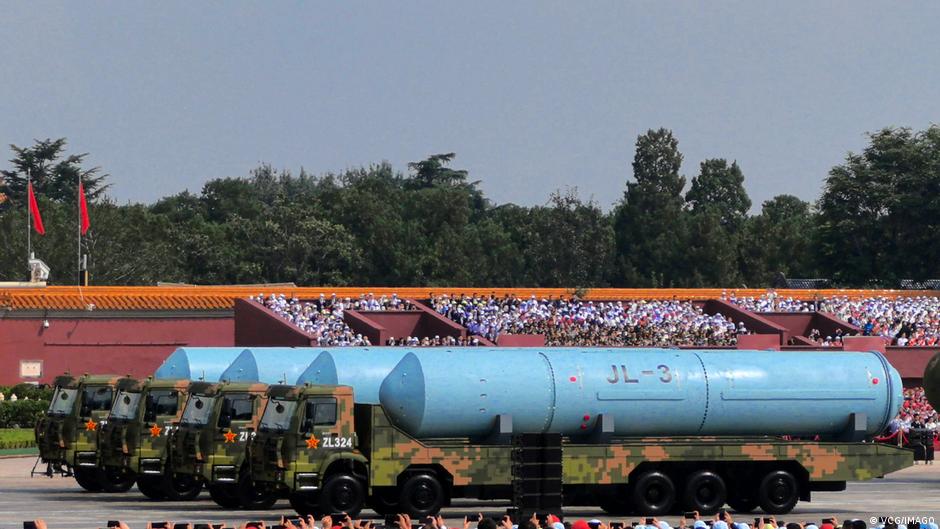
Specifically, China conducted an unannounced test launch of a strategic missile from a nuclear submarine in early July, notifying only a few countries shortly before the launch. This move raised alarms about transparency deficits affecting regional and global confidence.
Meanwhile, on the night of August 12, North Korea launched at least one ballistic missile from Wonsan on its eastern coast, with the projectile flying eastward and reaching a peak altitude of 90 kilometers before falling approximately 700 kilometers away. This was the eleventh such launch by Pyongyang in 2024, according to South Korean and Japanese military assessments.
South Korea's armed forces have responded by increasing surveillance and vigilance to anticipate further launches, reflecting ongoing regional security concerns. These developments can influence currency markets, particularly the South Korean won and Japanese yen, as investors react to escalations in geopolitical risk.
"Transparent notification mechanisms build trust and reduce risks, essential for both security and economic stability," the joint statement affirmed.
For households and individual investors, understanding these geopolitical dynamics is vital. Geopolitical tensions can disrupt supply chains, influence energy prices, and induce market volatility that impacts retirement savings, mortgage rates, and the cost of everyday goods and services.
In conclusion, the international push for transparency in ballistic missile testing is not just a matter of global security policy but a key factor in preserving financial stability and protecting the economic interests of consumers worldwide.