Detention of Russian Critic Ilya Remeslo Highlights Risks for Household Finances and Investors
Russian blogger Ilya Remeslo's arrest amid political crackdown raises concerns about economic stability and impacts on everyday consumers and savers.
Political Repression and Economic Uncertainty in Russia
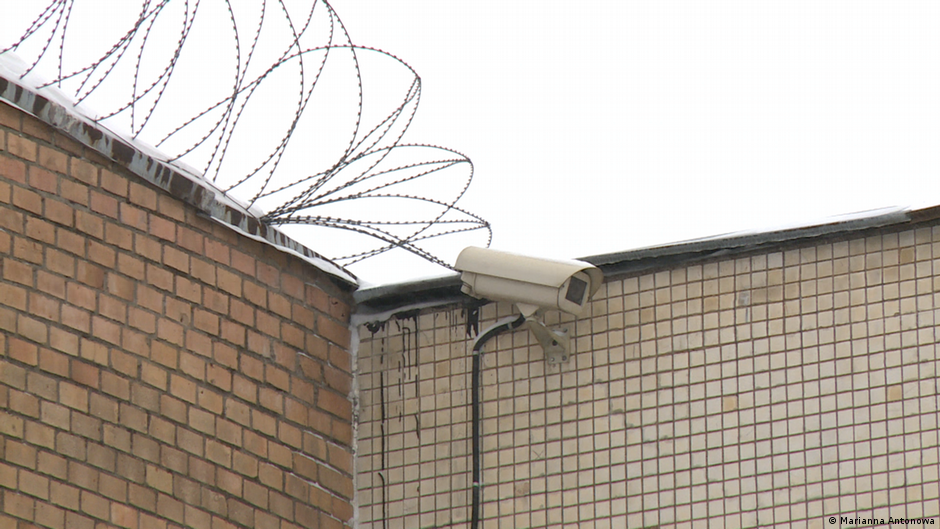
Russian pro-government blogger Ilya Remeslo, who recently turned critic of President Vladimir Putin and the war in Ukraine, has been detained in a Moscow detention center amid charges related to alleged "fake news" about the Russian military. His arrest follows a psychiatric evaluation and marks a significant escalation in the Kremlin's crackdown on dissent. While primarily political in nature, these developments also carry important implications for ordinary Russians’ personal finances, savings, and investment confidence.
Remeslo’s detention comes as Russia continues to grapple with economic challenges stemming from ongoing geopolitical tensions and sanctions. Political instability can undermine economic confidence, exacerbate currency volatility, and impact household budgets already strained by inflation and supply disruptions.
How Political Repression Affects Russian Households and Investors
Political crackdowns such as Remeslo's arrest often send shockwaves through financial markets and consumer confidence. For ordinary households, the risks include potential tightening of capital controls, greater restrictions on access to foreign currencies, and increased uncertainty around savings security. Investors, particularly those holding ruble-denominated assets or involved in small-scale trading, may find their portfolios exposed to sudden market shifts triggered by political events.
"The arrest of dissenting voices like Remeslo not only signals a tightening political environment but also increases economic uncertainty that hits everyday consumers and savers hard," said a financial analyst.
Furthermore, the potential for intensified sanctions or countermeasures can exacerbate inflationary pressures on consumer goods, affecting the cost of living. For many Russian families, these pressures translate into reduced disposable income and a greater need to adjust household budgets, often cutting back on nonessential spending or dipping into savings.
Currency stability is another key concern. The ruble has experienced periods of volatility amid geopolitical events, and increased political repression can accelerate capital flight or prompt currency depreciation. This impacts import prices, including essential goods and services, further stressing household finances.
Meanwhile, ordinary investors face challenges navigating a shrinking space for independent information and growing regulatory risks. The crackdown on dissenting voices may deter investment in sectors perceived as politically sensitive, limiting opportunities for portfolio diversification and growth.
Broader Economic Context
Ilya Remeslo was known for his earlier staunch pro-government stance and opposition to activists and opposition figures. His sudden turn to harsh critique of Putin and the war, including labeling Putin a "war criminal" and "usurper," has led to legal action against him, including a criminal case that may carry up to ten years in prison.
His detention followed a psychiatric evaluation at the Serbsky Institute, an institution historically linked to political abuse during the Soviet era. The use of psychiatric assessments in political cases may indicate a toughening approach toward dissent, which further unsettles the economic environment.
For Russian citizens, these developments underscore the intersection of political risk and personal financial security. While the immediate impact is political, the ripple effects on currency, inflation, consumer spending, and investment sentiment are equally significant.
In a landscape where political repression intensifies, households and investors must remain vigilant, adapting their financial strategies to manage increased uncertainty and potential economic disruption.