Venezuela Releases 131 Political Prisoners Amid National Reconciliation Talks
The Venezuelan government freed 131 political prisoners following initial dialogue with the opposition, signaling potential economic and social shifts impacting citizens' finances.
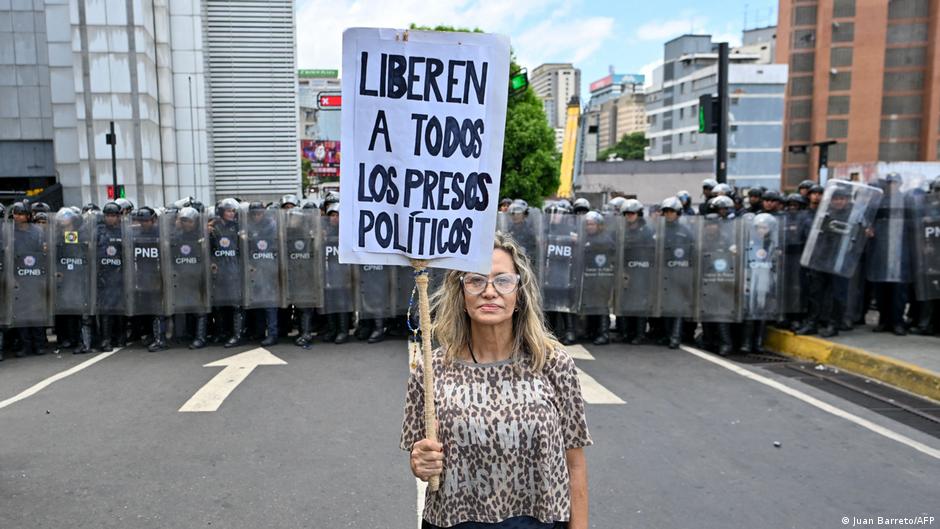
The Venezuelan government has taken a significant step by releasing 131 political prisoners after the first round of national reconciliation talks with opposition representatives concluded on August 12. This move represents a cautious but meaningful effort to ease political tensions that have long affected the country's economic stability and household finances.
Context and Implications for Venezuelan Households
The released individuals had previously been detained on allegations of involvement in various crimes, with alternatives to full imprisonment now applied. Although the government has not specified the exact nature of these alternative measures, the release is a key gesture in the broader process of dialogue aimed at reform and unity.
“Not all have been freed, but all political prisoners deserve full freedom. We must persist until every citizen reunites with their family,” stated Dinora Figuera, leader of the opposition delegation.
For Venezuelan families, this thaw in political repression could translate into a gradual restoration of trust in institutions, which is vital for economic activity and personal financial security. Political stability often underpins currency confidence and investment climates, both essential for everyday Venezuelans managing tight budgets amid inflation and currency devaluation.
Since the start of the year, over 1,000 political prisoners have been freed, reflecting a noteworthy shift in the political landscape. The support of the United States government, particularly through Secretary of State Marco Rubio, underscores international interest in Venezuela’s stabilization, with the US considering these releases an important stride toward reconciliation.
This political development is coupled with an agreed-upon judicial reform, aiming to improve legal structures that directly affect property rights, business operations, and individual protections—factors that heavily influence household savings and investment decisions.
Under pressure from Washington, Venezuela’s interim president Delcy Rodríguez signed an amnesty law before talks commenced, enabling the release of several hundred political detainees. The hope is that such reforms and reconciliatory actions will foster a more predictable economic environment, encouraging remittances, currency stabilization, and greater participation in financial markets by Venezuelan citizens.
While the immediate financial impact on households might be subtle, the broader implications include potential improvements in currency valuation and a reduction in the economic uncertainty that complicates daily life for many Venezuelans. As political negotiations continue, the prospect of increased economic openness and stability offers cautious optimism for consumers, savers, and investors navigating Venezuela’s challenging financial landscape.