Ukraine Talks Could Shape Household Energy Bills and Investor Risk
Possible Ukraine talks in Abu Dhabi or Switzerland could affect sentiment around energy bills, currencies and household investments, but no breakthrough is assured.

Possible Ukraine talks in Abu Dhabi or Switzerland could affect sentiment around energy bills, currencies and household investments, but no breakthrough is assured.

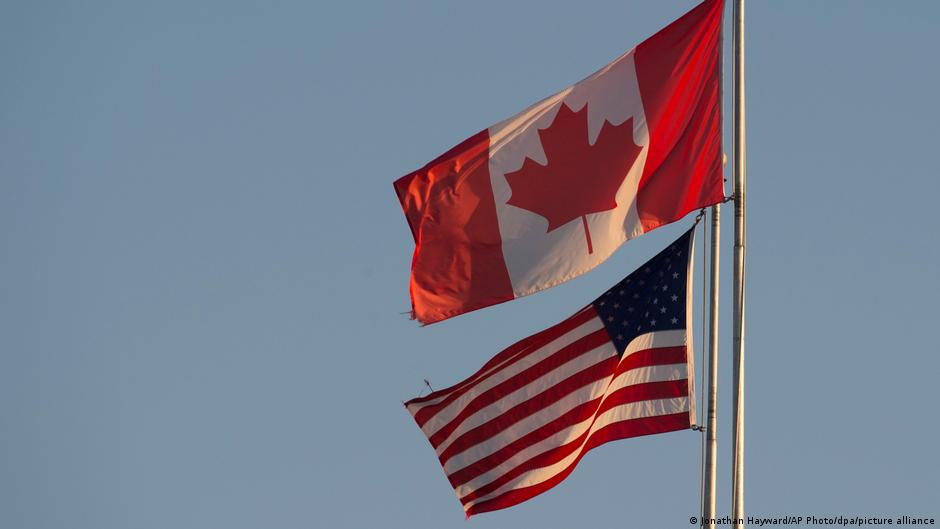
Washington will remove 50% duties from selected Canadian imports but impose tariffs on household products, creating mixed effects for prices and investors.

Trump says SpaceX restored full Starlink access in Ukraine, exposing policy risks for defense investments, currencies and household budgets.

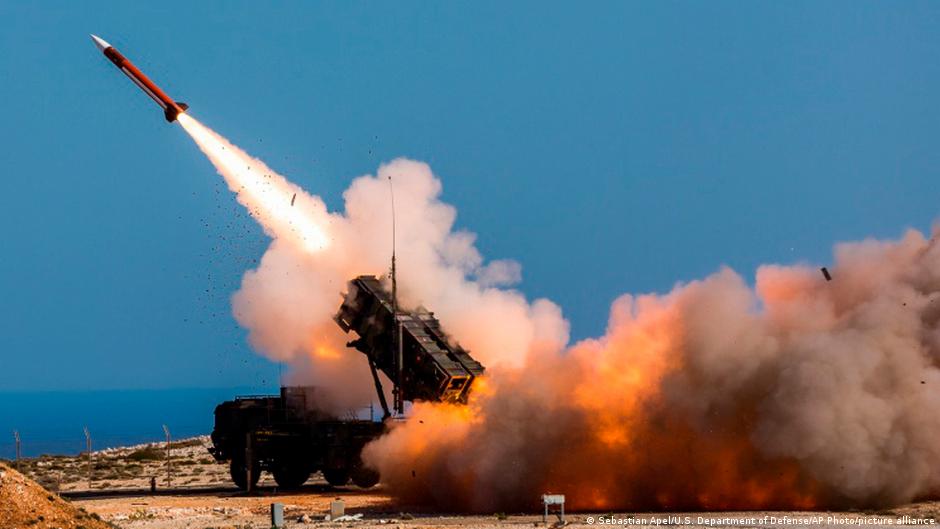
Zelensky’s claims of delayed US missile deliveries add uncertainty for European energy bills, currencies, savings and retail portfolios.

A reported US peace proposal involving renewed Russian gas supplies could affect European energy bills, inflation, currencies and household investments.

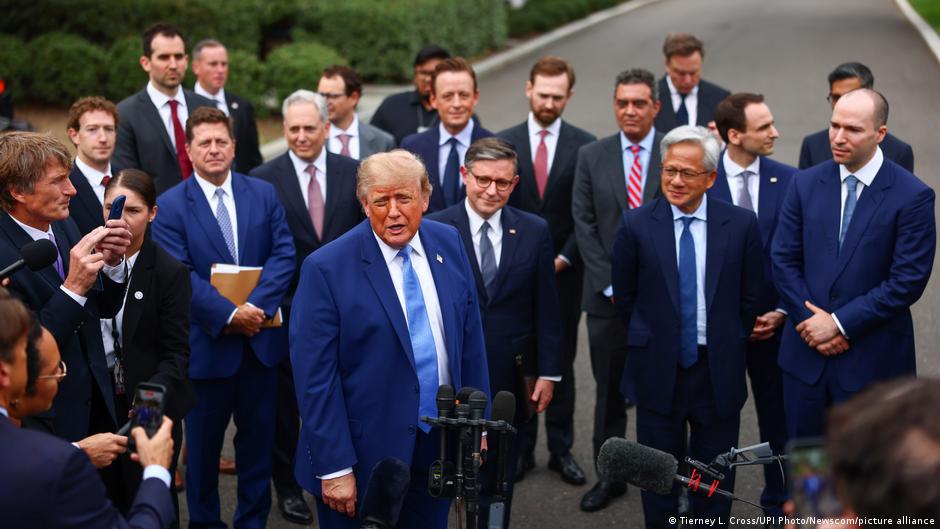
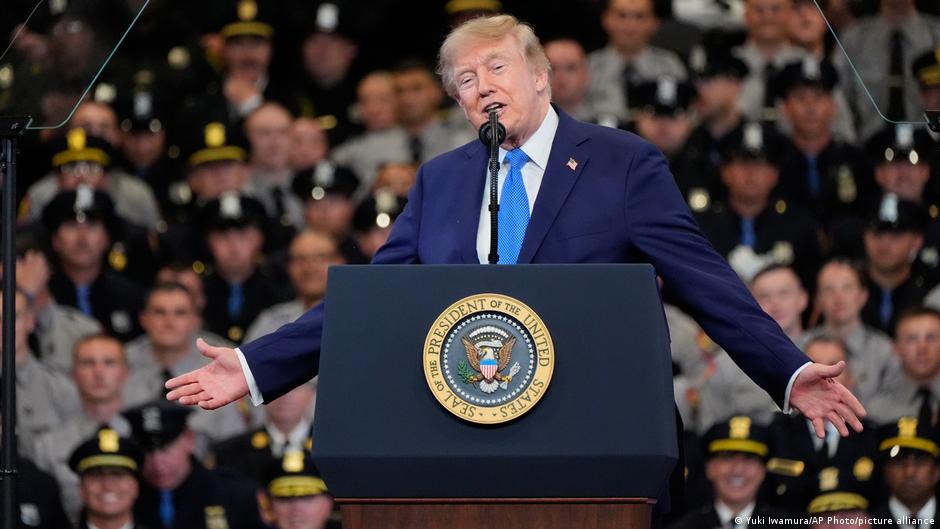
Trump’s Ukraine peace comments sharpen attention on energy risk, inflation pressures and currency volatility for households and investors.

Palestinian elections were delayed to September 2027, extending political uncertainty with consequences for households, savings and investors.

A congressional push to ban Russian oil purchases could affect diesel supply expectations, fuel costs, inflation and energy-linked investments.

Zelensky criticized a U.S.-Russia diesel supply deal, warning that cheaper fuel flows could come at the cost of prolonging the war.

Two Latvian citizens were detained at RAF Molesworth, adding to security concerns that may shape household costs, currencies and investor sentiment.

Ukraine will discuss a new war-ending plan with Trump envoys as households and investors watch the budget, currency and market risks.

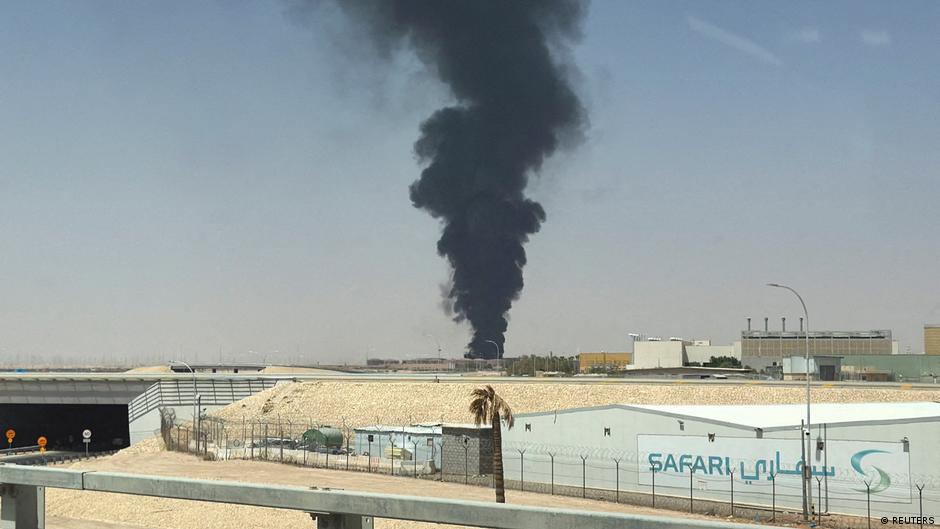
A tanker fire near Sochi closed Sirius beaches and highlighted how Black Sea energy risks can reach consumers through fuel, inflation and investments.

Reports from Irkutsk have drawn Trump and WHO attention, raising questions for consumers about possible energy, currency and market spillovers.

Reports from Irkutsk have prompted U.S. attention and regional border precautions, raising questions for travelers, households and investors.

North Korea’s missile launch adds geopolitical risk for Asian markets, currencies and households exposed to regional prices or investments.

A voluntary Trump AI safety deal puts major tech firms in charge of safeguards, with implications for consumers, investors and future regulation.

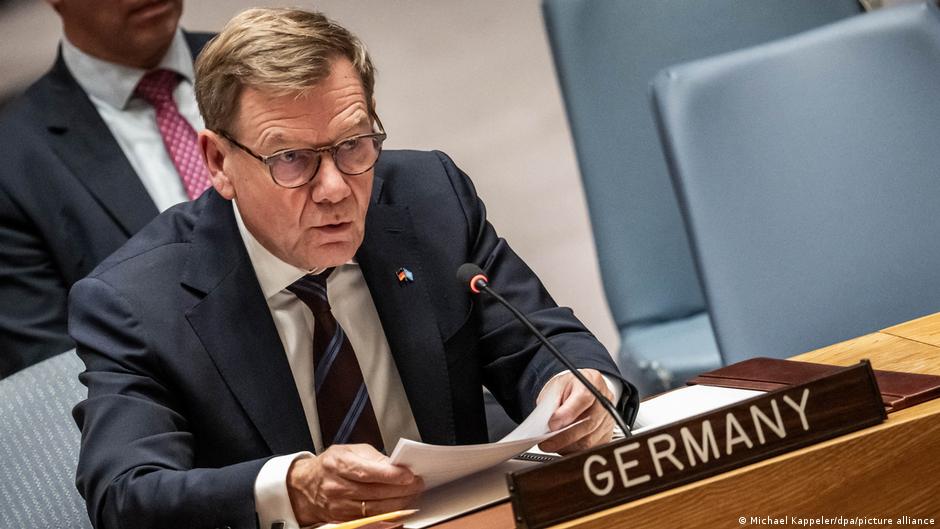
Germany says Putin’s possible G20 attendance should be judged by whether Moscow accepts a ceasefire, with sanctions and market risk in focus.

Kyiv denied a report that Trump urged Zelensky to meet Putin in Moscow as energy talks and diesel prices keep the war tied to household costs.

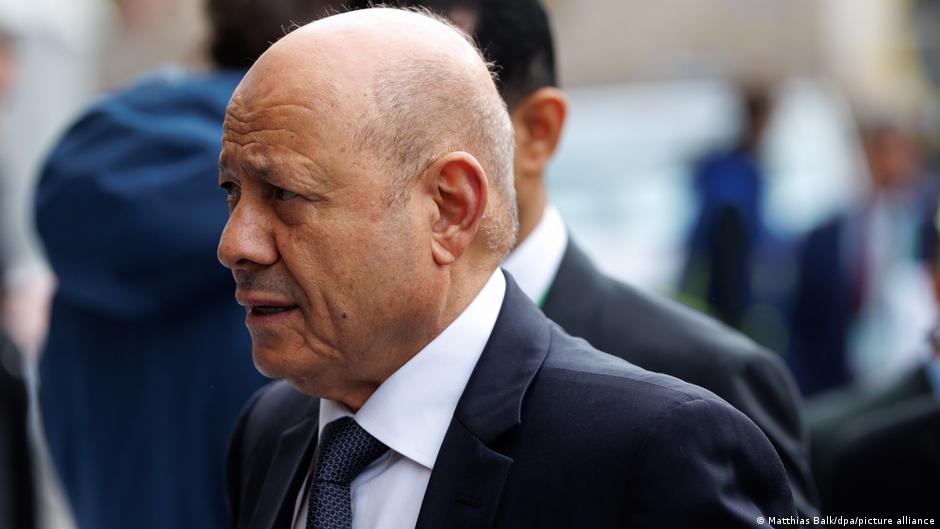
Yemen’s mobilization call comes as Houthi advances threaten key waterways, oil exports and energy costs that can hit household budgets.

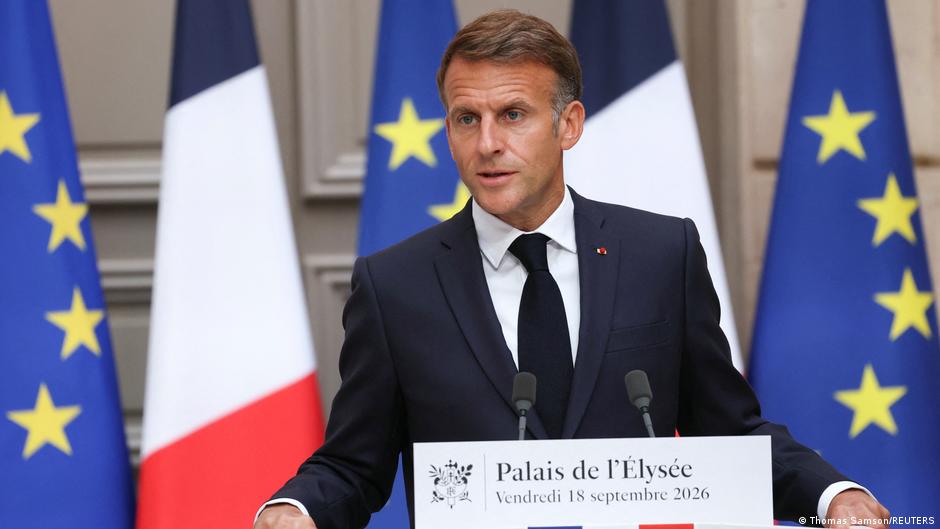
Macron says France sees a Russian mobilization of around 300,000 people as credible, raising risks for European budgets, markets and consumers.

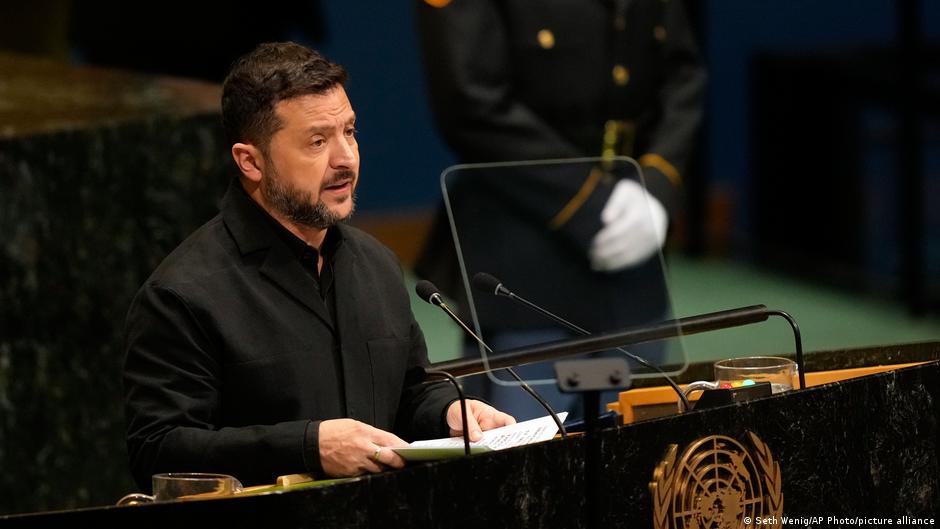
Zelensky’s UN speech tied Russia’s war capacity to energy risks, winter heating pressure and the market uncertainty facing households and investors.

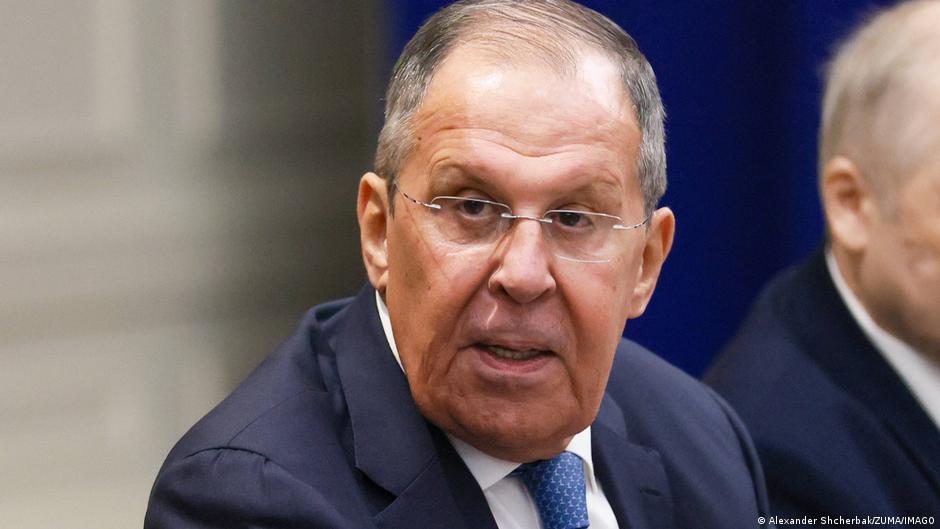
Lavrov ruled out a pause for Ukraine talks, keeping war-related uncertainty in focus for consumers, currencies and everyday investors.

U.S.-Iran talks in New York may influence energy costs, currencies and investor confidence as households watch geopolitical risks.

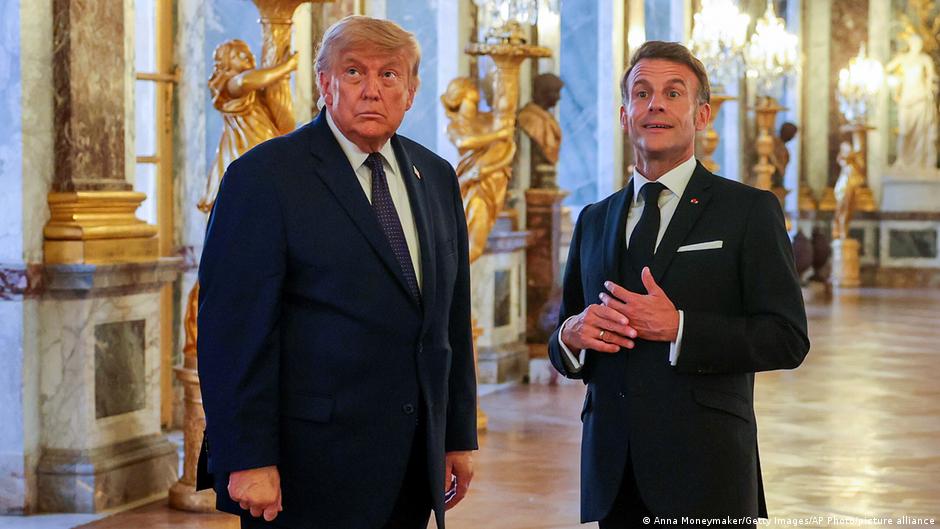
Macron and Trump discussed protecting Ukraine’s energy and civilian infrastructure, a move with implications for household costs and markets.

Saudi Arabia said it intercepted a Houthi missile aimed at Riyadh, adding pressure to oil routes that affect fuel prices and consumer costs.

Trump signed a sanctions law targeting Russian energy buyers, creating new risks for fuel prices, household budgets and investor portfolios.

A US-Denmark-Greenland security deal could affect defense stocks, rare earth supply chains, currencies and household costs despite claims it is taxpayer-free.

Merz says the old U.S.-German alliance may be over, raising questions for prices, defense spending, currencies and everyday investors.

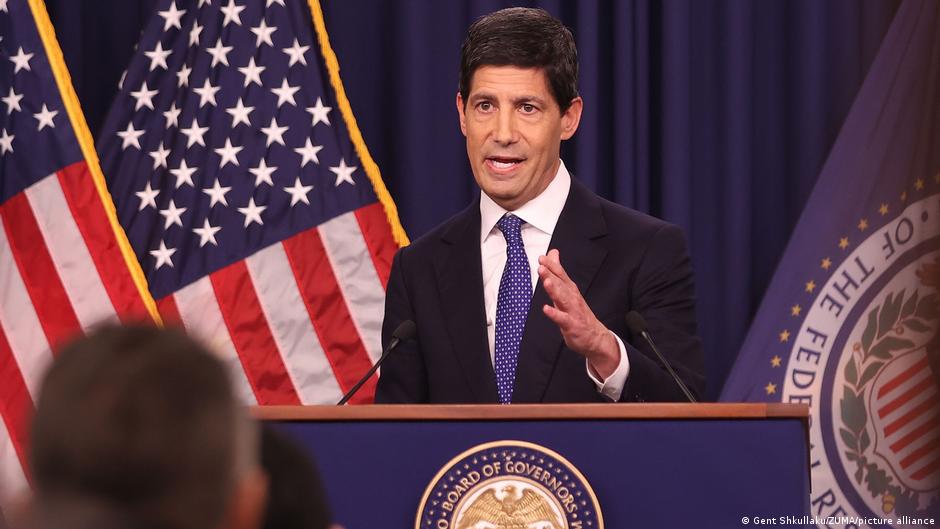
The Fed lifted rates to 3.75-4%, raising borrowing pressure for households while potentially improving returns for savers.

Trump’s EU trade threat over Canada ties raises new risks for household budgets, import prices, currencies and everyday investors.

U.S. charges tied to an alleged Russian network underscore how security risks can affect currencies, banking costs and everyday portfolios.

China warned the US against preparing for space war after Washington confirmed orbital weapons, raising risks for satellites that support daily finance.

Trump said the U.S. will remove a 10 percent tariff on Irish whiskey, a move that could ease import costs and affect consumer prices.

Canada is negotiating to join the EU’s €90 billion Ukraine loan, a move with implications for taxpayers, currency risk and investors.

Russia is expected to attend G20 energy talks in Houston as energy security risks continue to shape fuel costs, inflation and investor sentiment.

Zelensky expects U.S. talks by late September on food and energy security, issues tied to household bills, inflation and market risk.

U.S. strikes on Iranian oil tankers raise new questions for fuel prices, inflation risks, currencies and small investors watching Gulf tensions.

Putin said chances for peace exist, while Zelenskyy said U.S. envoys will visit Kyiv and Moscow, reviving focus on the war’s impact on budgets and markets.

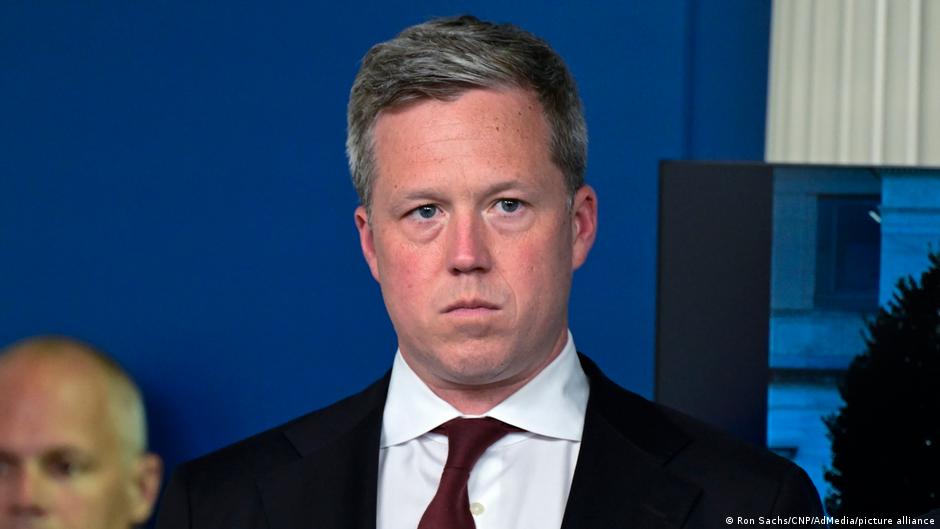
Daniel Driscoll’s resignation after a clash with Pete Hegseth adds new uncertainty around Pentagon spending, procurement priorities and defense-sector sentiment.

Foreign investment in Germany rose to 86 billion euros in 2025, with British firms gaining ground as U.S. investment fell sharply.

A reported U.S. warning to Russia points to prolonged sanctions pressure, with potential effects on currencies, prices, savings and investor risk.

NATO responds to Iranian threats targeting European military sites, signaling potential impacts on household budgets, currency markets, and consumer prices amid rising tensions.

The US scales back joint military drills with South Korea, affecting defense budgets and potentially impacting household finances and currency stability in the region.

The US plans to declare the Strait of Hormuz as its territory, potentially raising energy prices worldwide and impacting household budgets due to ongoing military tensions with Iran.

Venezuela freed 131 political prisoners amid national reconciliation talks, a move that could influence currency stability and household finances in the long term.

Over 40 countries demand 24-hour advance notice of ballistic missile tests to reduce risks and protect global economic and financial stability impacting households and investors.

A 7.4 magnitude earthquake in Colombia has caused major destruction to homes and infrastructure, impacting household finances and prompting emergency aid.

US Senate sanctions targeting Russian energy exports may drive higher fuel prices and inflation, affecting household budgets and investors worldwide.

Russia's redeployment of a major warship near Germany heightens risks to Baltic shipping routes, potentially affecting European energy supplies and consumer costs.

The U.S. enacts a permanent visa bond of up to $20,000 for citizens of 50 countries, impacting household budgets, savings, and international travel costs.